Fuel delivery
Fuel Pump Symptoms: How to Test and Confirm the Fault
Published:
Edited and fact-checked by: Jacob Bowen
General information; vehicle-specific diagnosis requires an inspection. How we prepare our guides · This page reserves space for ads. Advertising policy · Privacy choices
The quick answer
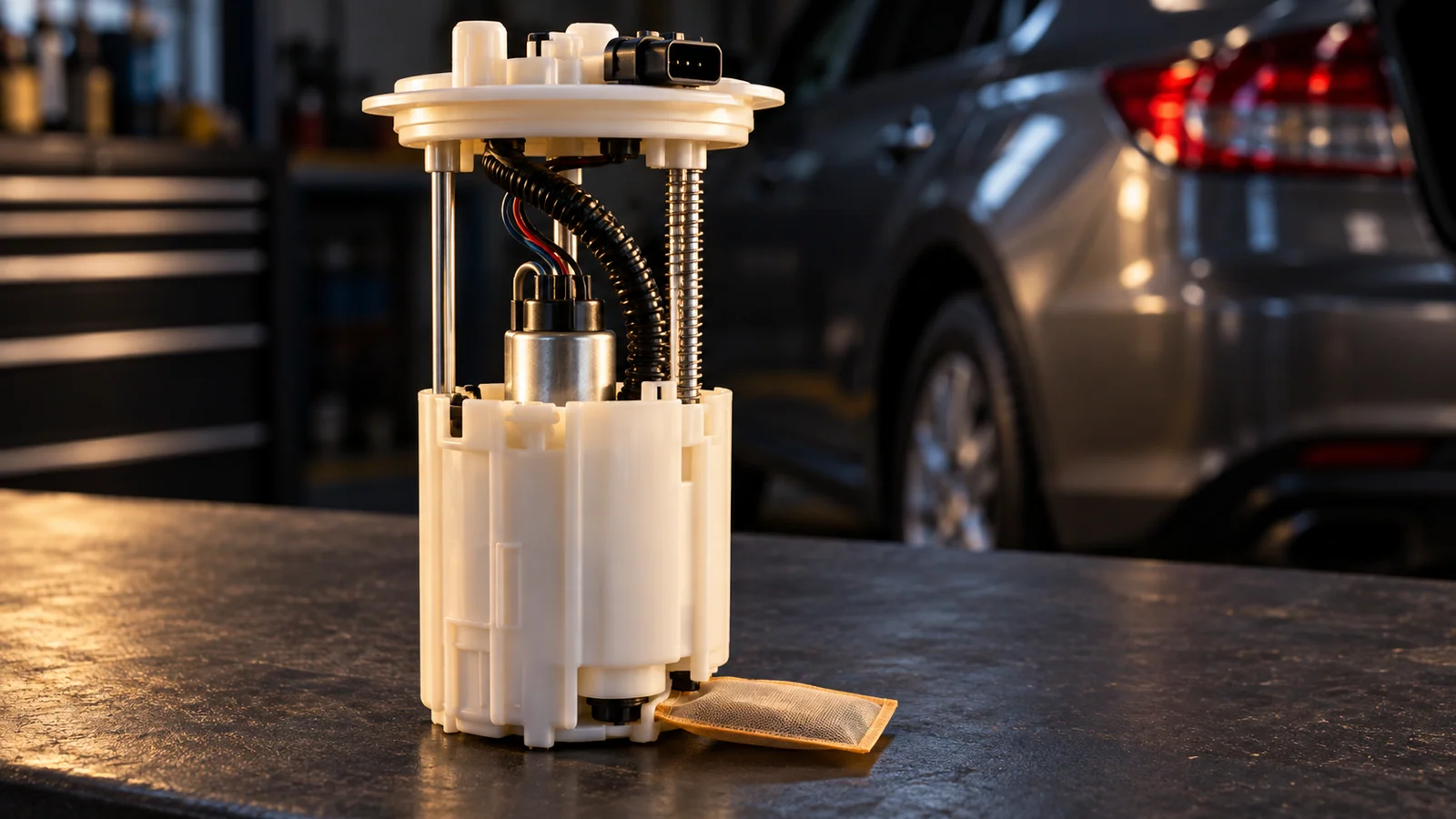
A failing fuel pump can cause hard starting, stalling or poor acceleration, but those symptoms do not confirm that the pump needs replacement. Diagnosis should check fuel delivery and the pump’s electrical supply while the fault is happening. A pump control module, wiring problem or restriction can produce similar symptoms.
What symptoms can a weak fuel pump cause?
A vehicle may crank without starting, start intermittently, stall or lose power when fuel demand increases. Tell the shop whether the problem happens cold, after a hot restart or during acceleration. That pattern helps the technician reproduce the fault rather than test a car that is temporarily working normally.
These are reasons to test the fuel system, not a diagnosis. Hearing the pump run does not establish that it delivers enough fuel, and silence alone does not prove that its motor has failed.
How should a shop confirm a fuel-delivery problem?
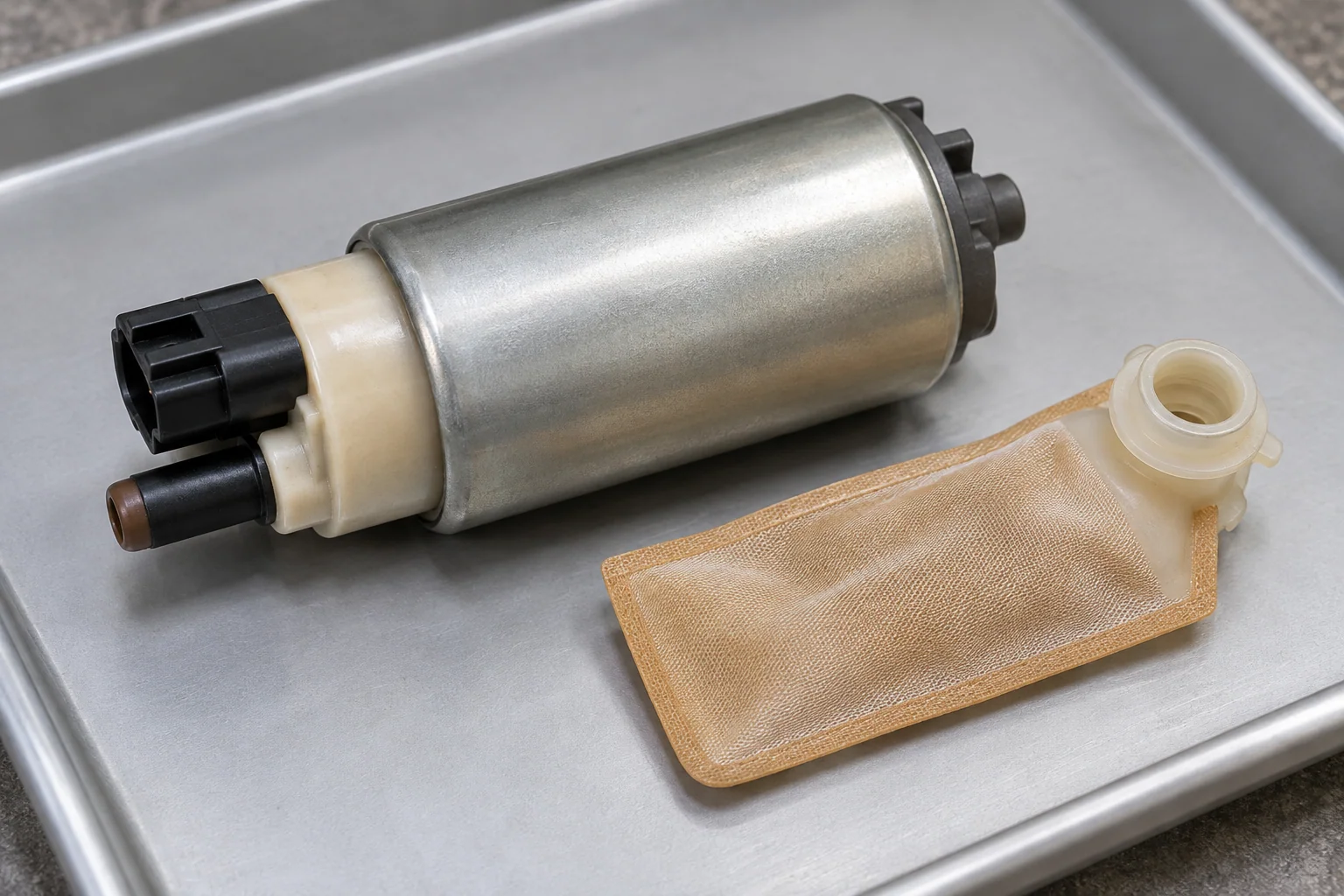
Ask for pressure and fuel-volume checks using the procedure and specifications for your exact engine. Where the service procedure calls for it, checking how pressure holds after shutdown can help investigate a starting complaint. A low reading needs further investigation; it does not identify the failed part by itself.
The technician should establish whether a filter or another restriction is limiting delivery and whether the pump receives the correct electrical supply under operating conditions. This is particularly important before approving an expensive pump assembly.
What if the pump passes testing but the car still sometimes will not start?
Delphi explains that worn motor contacts can produce an intermittent no-start even when conventional pressure and volume tests pass. A technician can examine the pump’s current waveform with an oscilloscope to look for irregular motor operation.
Current readings also depend on electrical resistance and the load on the pump. A waveform or amperage reading therefore needs context and the correct service information. Avoid treating a single current number as a universal pass-or-fail test.
Could the control module be responsible instead?
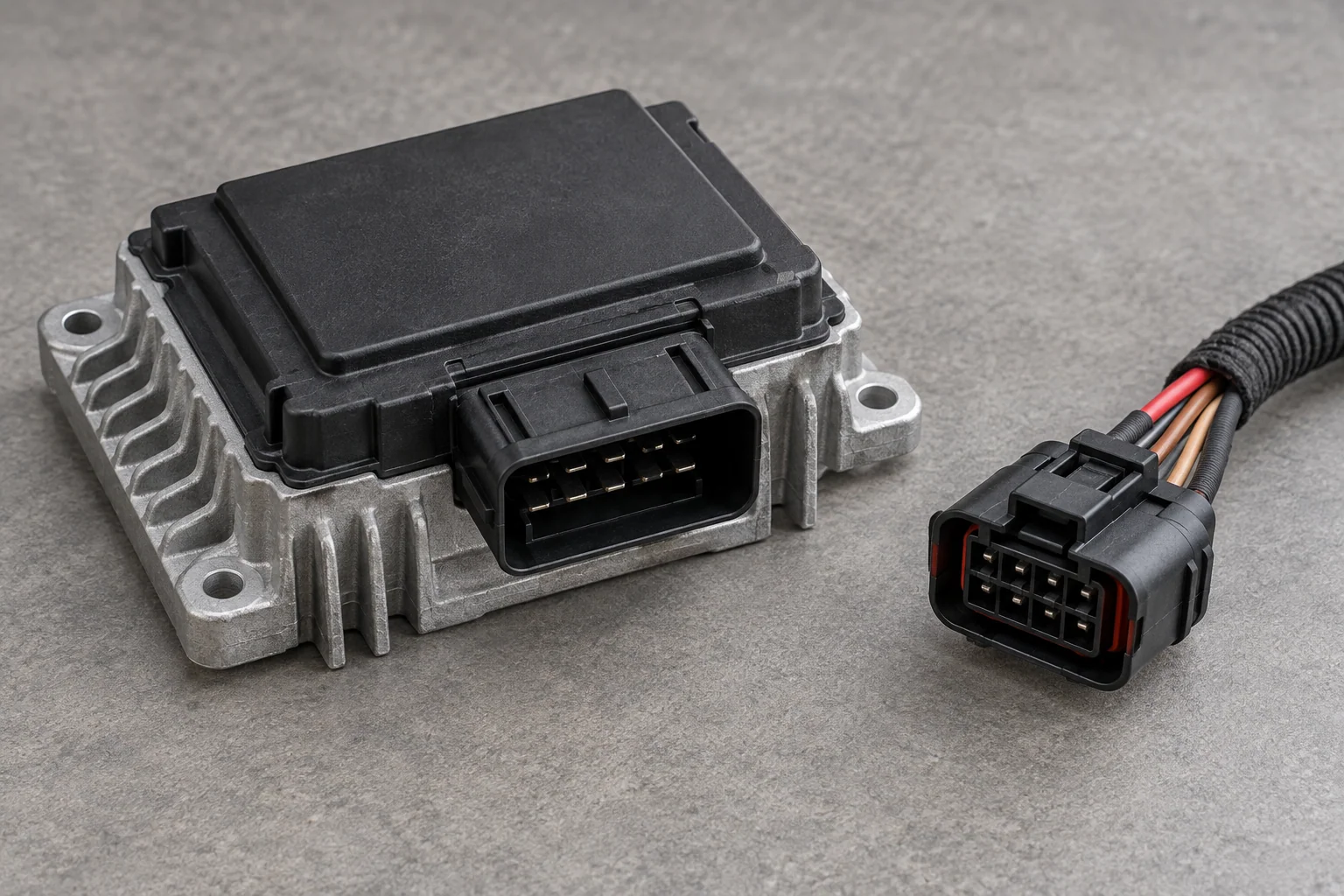
Yes. The shop should distinguish a missing pump command or inadequate supply from a motor that cannot deliver fuel despite proper operation of the circuit. Ask what test separated those possibilities before authorizing either a control module or a pump.
For a Ford Escape or any other model, provide the year and engine when arranging diagnosis. The vehicle name alone is not enough to choose a pump or a test specification. See the fuel-pump replacement guide for repair planning after the fault is confirmed.
When should you stop driving, and what might replacement cost?
Arrange recovery if the car stalls or cannot run reliably. If gasoline is leaking or you smell fuel, do not keep starting the engine to investigate; have the leak assessed safely.
RepairPal’s September 2026 national estimate lists fuel-pump replacement at $1,344–$1,513, before taxes, fees and location adjustments. Obtain a vehicle-specific quote identifying the part, access labor and any additional confirmed work. That estimate is not a price for every type of fuel-system repair.
Sources & further reading
- Delphi — Testing a fuel pump with scope testing
- MOTOR — Fuel Pump Diagnosis
- MOTOR — Diagnose Fuel Pump Amperage Draw | Amp Test
- RepairPal — Fuel Pump Replacement Cost Estimate
Vehicle designs and maintenance requirements vary. Consult the owner’s manual for your exact vehicle and seek a qualified inspection for a specific fault.