Transmission
Torque Converter Symptoms: How to Test and Confirm the Fault
Published:
Edited and fact-checked by: Jacob Bowen
General information; vehicle-specific diagnosis requires an inspection. How we prepare our guides · This page reserves space for ads. Advertising policy · Privacy choices
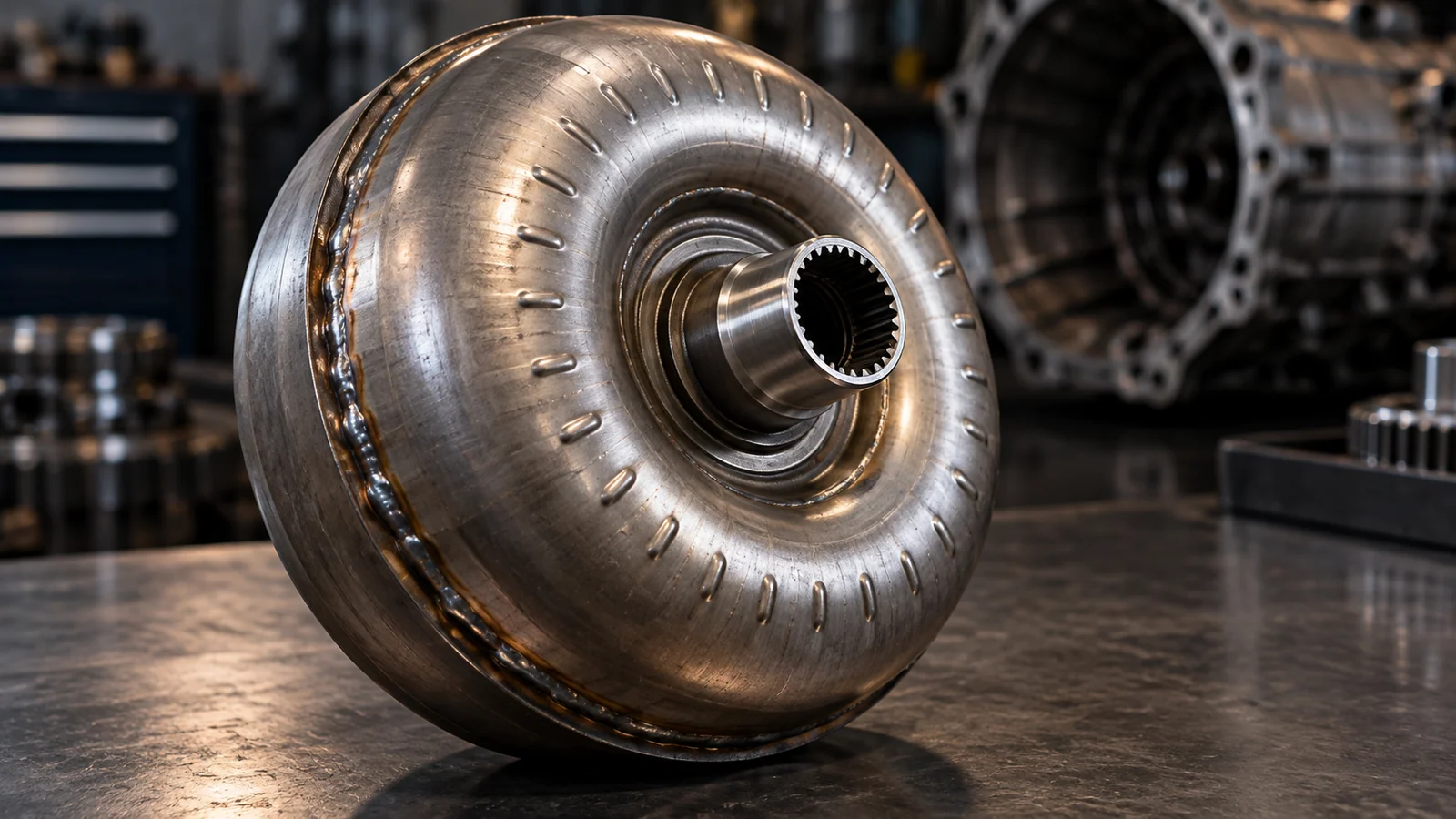
The quick answer
A torque-converter problem can cause shudder, abnormal slipping or poor operation in gear, but those symptoms do not identify the failed part. Diagnosis should connect the complaint to converter operation and check the hydraulic and control systems that operate it. Ask for the test findings before approving replacement.
What symptoms make the torque converter worth checking?
Describe when the problem occurs: selecting Drive, pulling away, steady cruising, warming up or changing gears. Note whether the engine runs smoothly in Park and whether the trouble began after transmission work. These details are more useful than simply reporting a vibration.
Sonnax describes a 2015 Explorer with a 6F35 transmission that vibrated in gear after a rebuild despite normal gear operation, lockup, measured line pressure and cooler flow. The identified fault was the converter's stator one-way clutch. That is a transmission-specific example of why a converter fault is not always a lockup-clutch fault.
How is converter shudder separated from a misfire or tire vibration?
The technician needs to reproduce the complaint under controlled, safe conditions and compare it with engine and transmission data. Speed data help assess transmission operation. The important question is whether the vibration actually follows converter-clutch behavior.
GM bulletin PIP5504A illustrates the distinction for its listed 2016–2018 trucks and SUVs with the L83 engine and MYC transmission. Its diagnostic process checks misfire data and vibration characteristics, then compares normal converter-clutch operation with professionally commanded clutch states. The specified shudder disappears with the clutch disabled and with it fully locked.
Those commands, conditions and conclusions belong to that procedure. They are not an owner road test or a universal test schedule. A vibration that follows engine or road speed needs the corresponding engine, tire or driveline investigation.
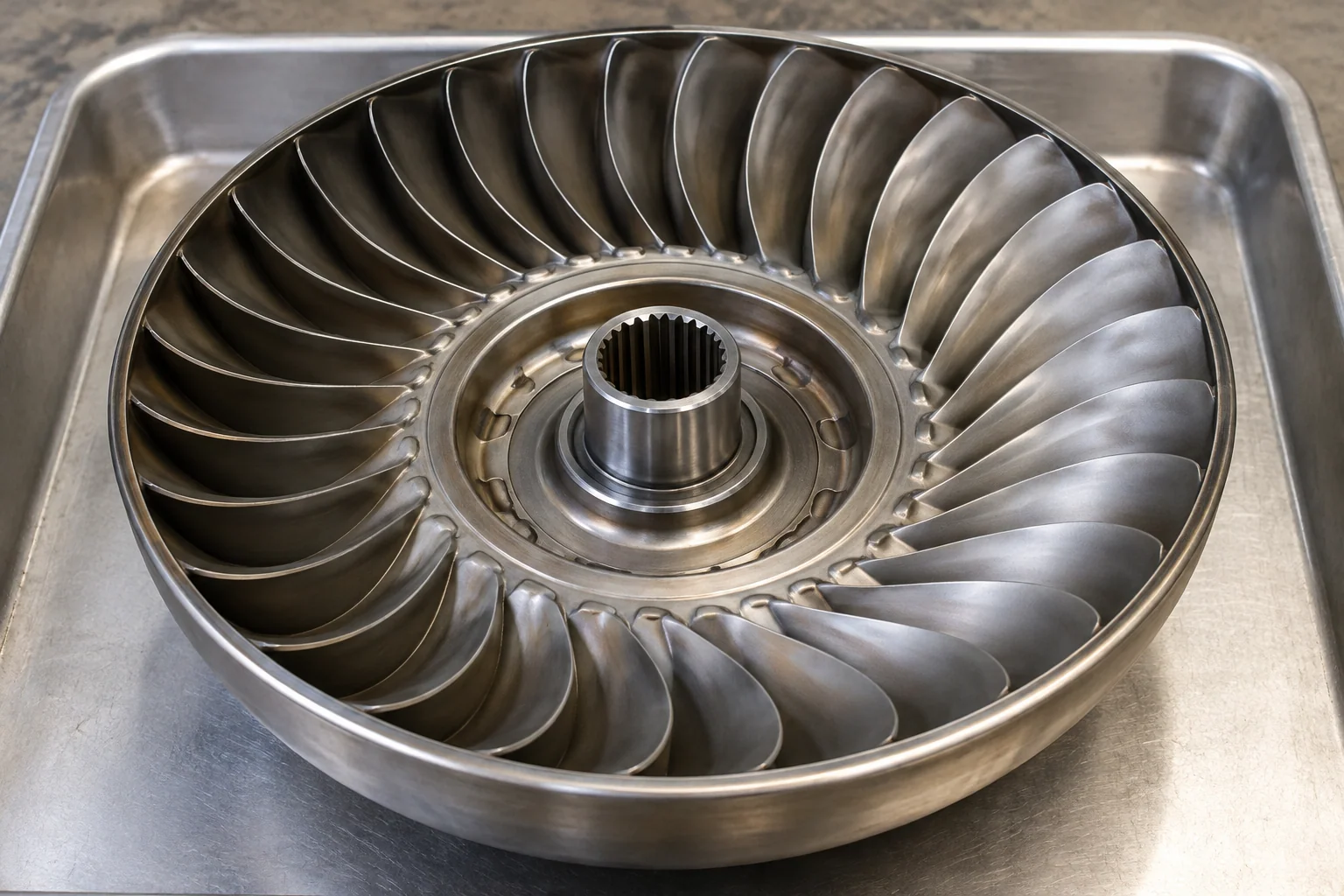
Does a torque-converter-clutch code prove the converter is bad?
Do not read a description such as performance or stuck off as a parts order. Obtain the exact code, its vehicle-specific definition and the conditions recorded with it. The shop should explain what testing distinguishes the converter from its electrical and hydraulic controls.
In Sonnax's investigation of Honda converters returned for P0740 complaints, a conventional bench test initially passed units that failed a more appropriate lower-pressure comparison. Further testing identified internal hydraulic leakage. That finding supports matching the test to the converter design; it does not establish a generic pressure specification for other transmissions.
What should be checked before replacement?
Ask whether the fluid specification, fluid condition, relevant hydraulic operation and cooler circuit have been checked using the current service information for your transmission. Sonnax's discussion of early Chrysler lockup systems shows how incorrect fluid, hydraulic faults and cooler restriction could affect lockup behavior.
Replacement should address the confirmed failure and any contributing contamination or flow problem. Ask what inspection or cleaning the manufacturer requires elsewhere in the system. Replacing a converter while leaving its cause unresolved can leave the original concern unanswered.
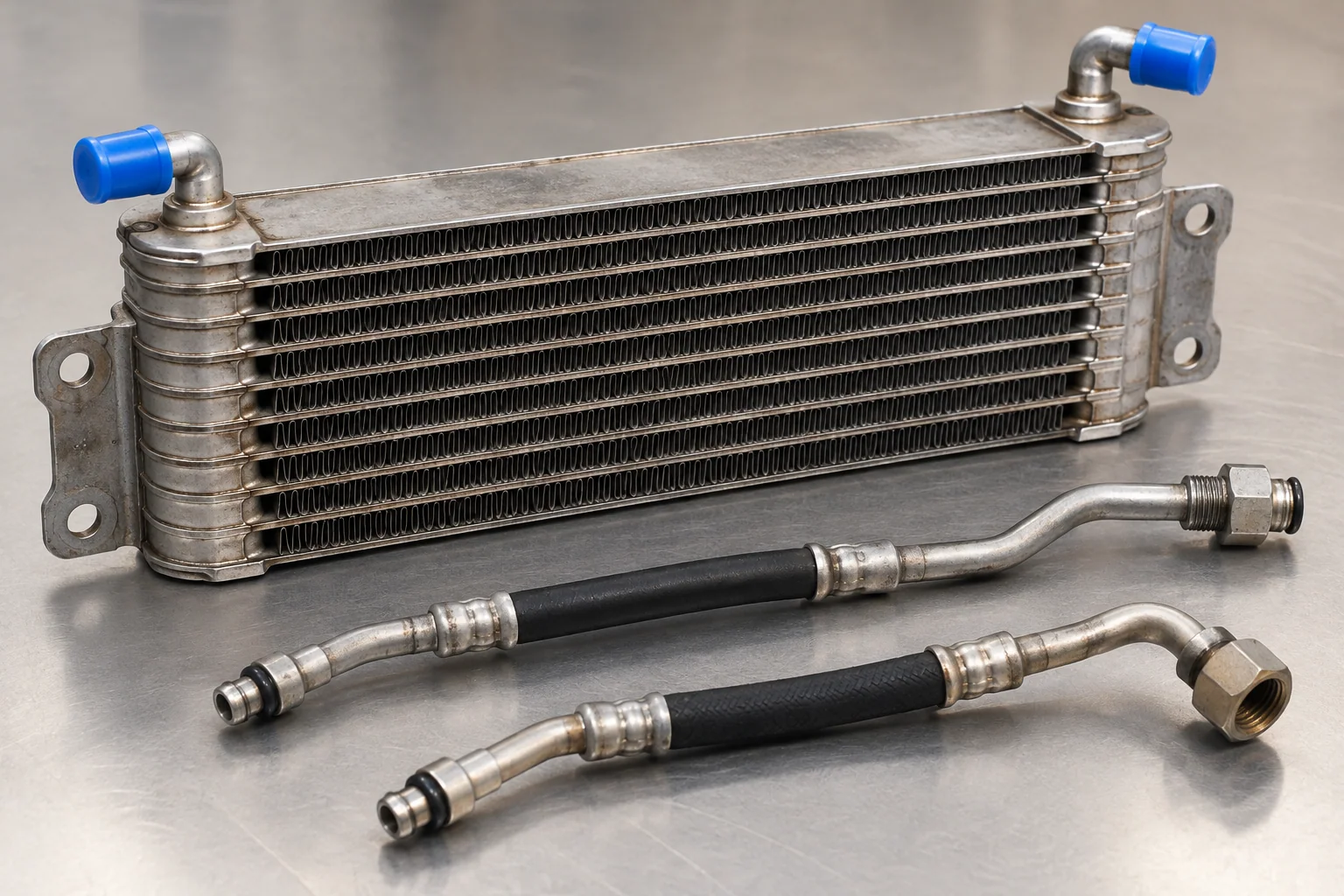
Can you keep driving while it is being diagnosed?
Arrange prompt diagnosis for recurring shudder or slipping. If the vehicle stalls when put in gear, loses dependable drive or behaves unpredictably, stop safely and arrange transport. Do not attempt a full-throttle stall test, disconnect cooler lines or bypass the cooler to diagnose it yourself.
Before authorizing work, request the reproduced symptom, exact codes, relevant measurements and a written explanation of why the proposed repair fits those findings.
Sources & further reading
- Sonnax — Troubleshooting Ford 6F35 Torque Converter One-Way Clutch Failure
- Sonnax — Sonnax Honda 740 Codes: Torque Converter Forensics
- Sonnax — Sonnax Troubleshooting Converters Has Twists and Turns
- MOTOR — Using a Scan Tool for Transmission Diagnosis
- General Motors: PIP5504A shudder and misfire diagnosis
Vehicle designs and maintenance requirements vary. Consult the owner’s manual for your exact vehicle and seek a qualified inspection for a specific fault.