Diagnostics and warning lights
Check Engine Light On: Causes and Diagnostic Steps
Published:
Edited and fact-checked by: Jacob Bowen
General information; vehicle-specific diagnosis requires an inspection. How we prepare our guides · This page reserves space for ads. Advertising policy · Privacy choices
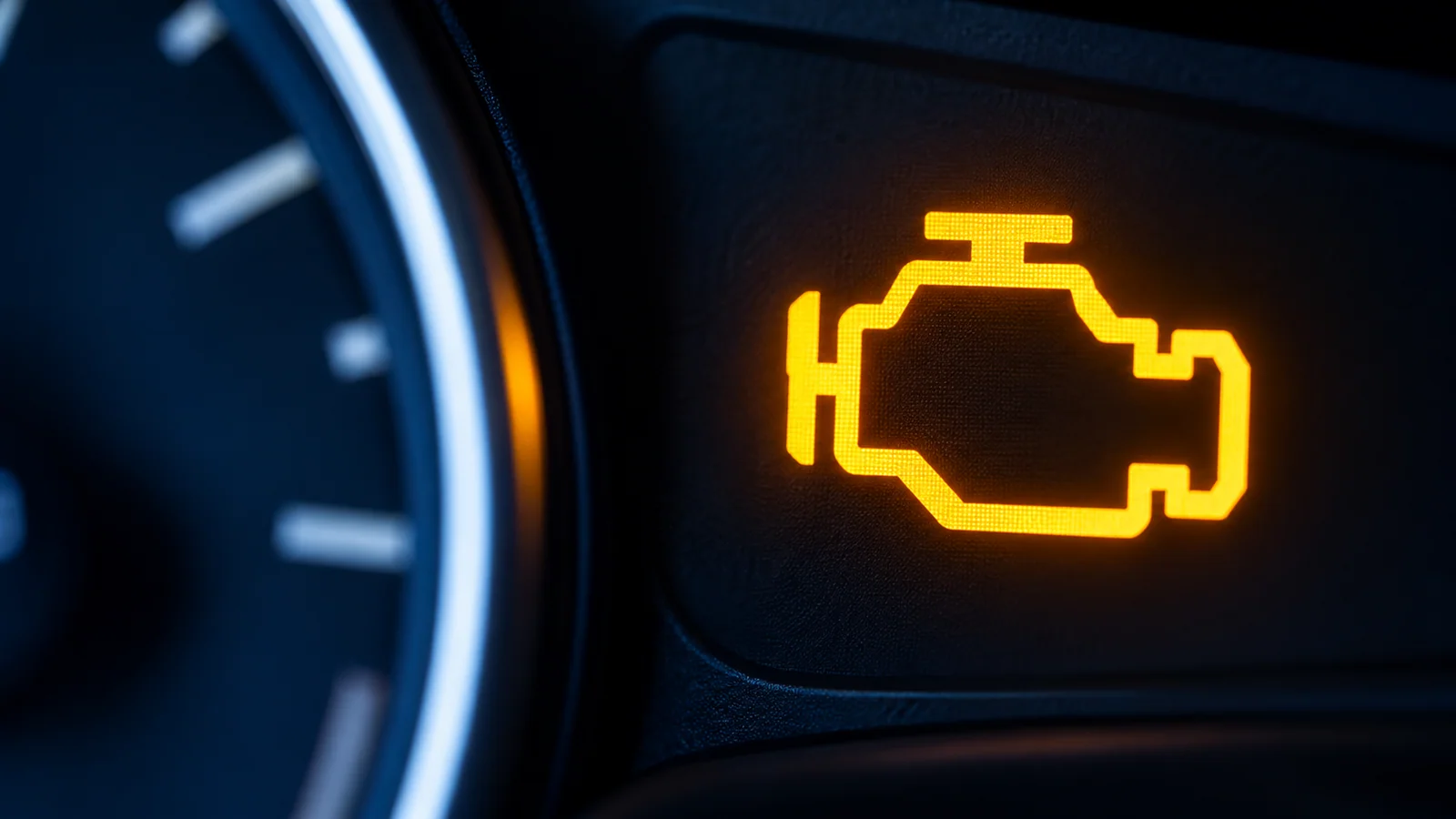
The quick answer
A check engine light means the vehicle has detected a fault that needs attention. First note whether it is steady or flashing and whether the car runs normally. Arrange prompt diagnosis for a steady light; if it flashes or the car shakes, loses power, smokes or smells unusual, ease off and pull over safely for assistance.
Can you ignore the light if the car runs fine?
No. A fault can be detected before you feel a performance change. The owner's manual explains the warning and appropriate action for the vehicle. Apparently normal operation is useful information for the shop, but it is not proof that nothing is wrong.
Confirm the symbol too. A check engine warning, an oil-pressure warning and a routine maintenance reminder call for different responses. Follow the specific warning's instructions rather than treating every dashboard light as an oil-change reminder.
Does the light tell you which part to replace?
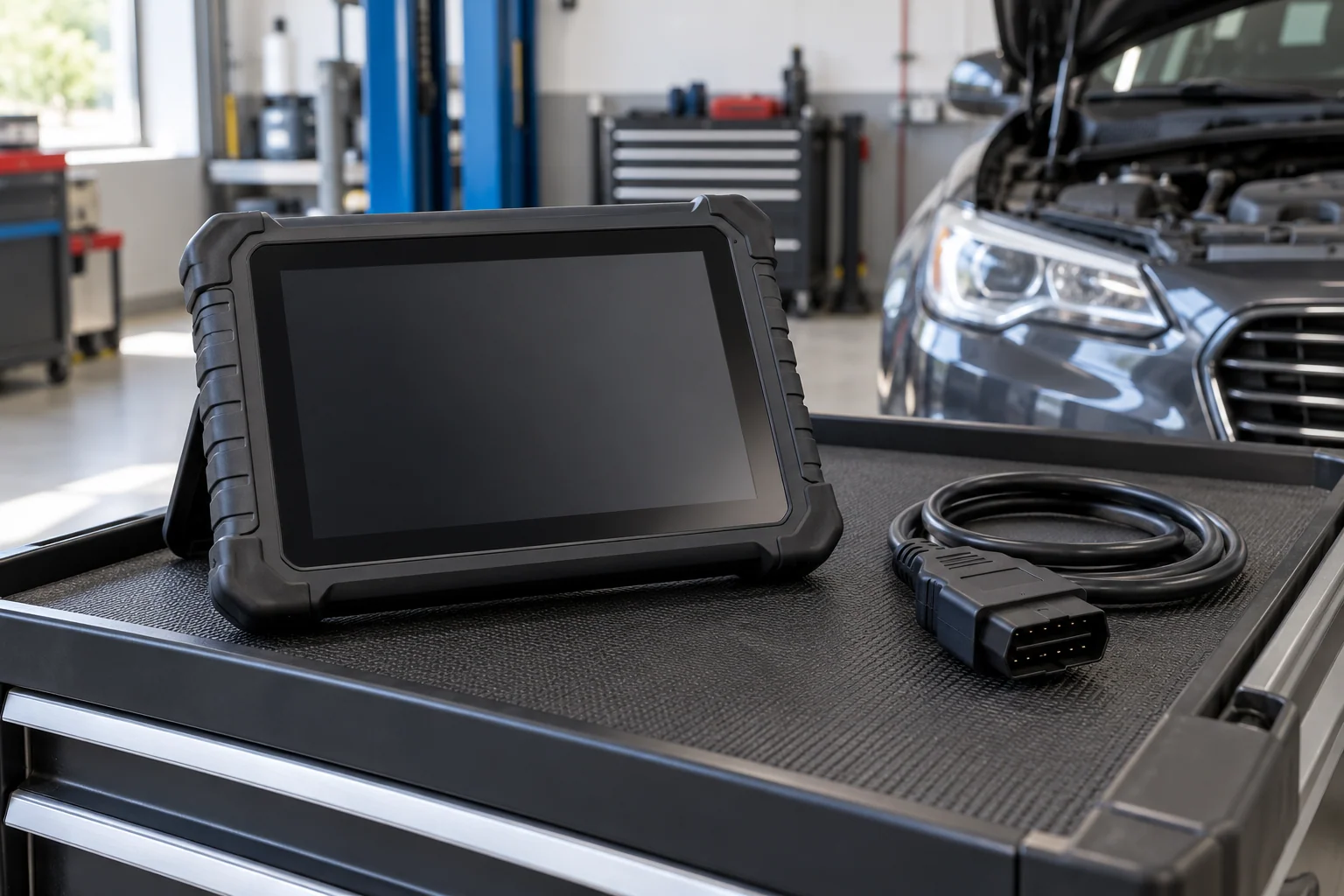
It does not. The diagnostic codes identify a detected condition or circuit and help direct testing. A fueling, ignition, sensor or emissions fault can lead to different repairs even when the dashboard warning looks the same.
Ask for the exact code and the finding supporting the repair. A free code read can be a starting point; it is not equivalent to completing the manufacturer's diagnostic procedure.
What if it came on after fuel, an oil change or battery work?
Tell the shop what happened immediately before the warning. For a vehicle with a removable fuel cap, check its fit according to the manual. Do not assume refueling explains every warning or that resetting it completes the repair.
Battery disconnection or replacement can also affect emissions-monitor readiness. Ford's owner-manual guidance distinguishes readiness from a detected fault; its particular drive-cycle instructions should not be copied to other vehicles.
What if your code reader finds nothing?
Confirm the warning and the reader's communication with the vehicle. An empty result is not the same as successful diagnosis.
Should you clear the light before the appointment?
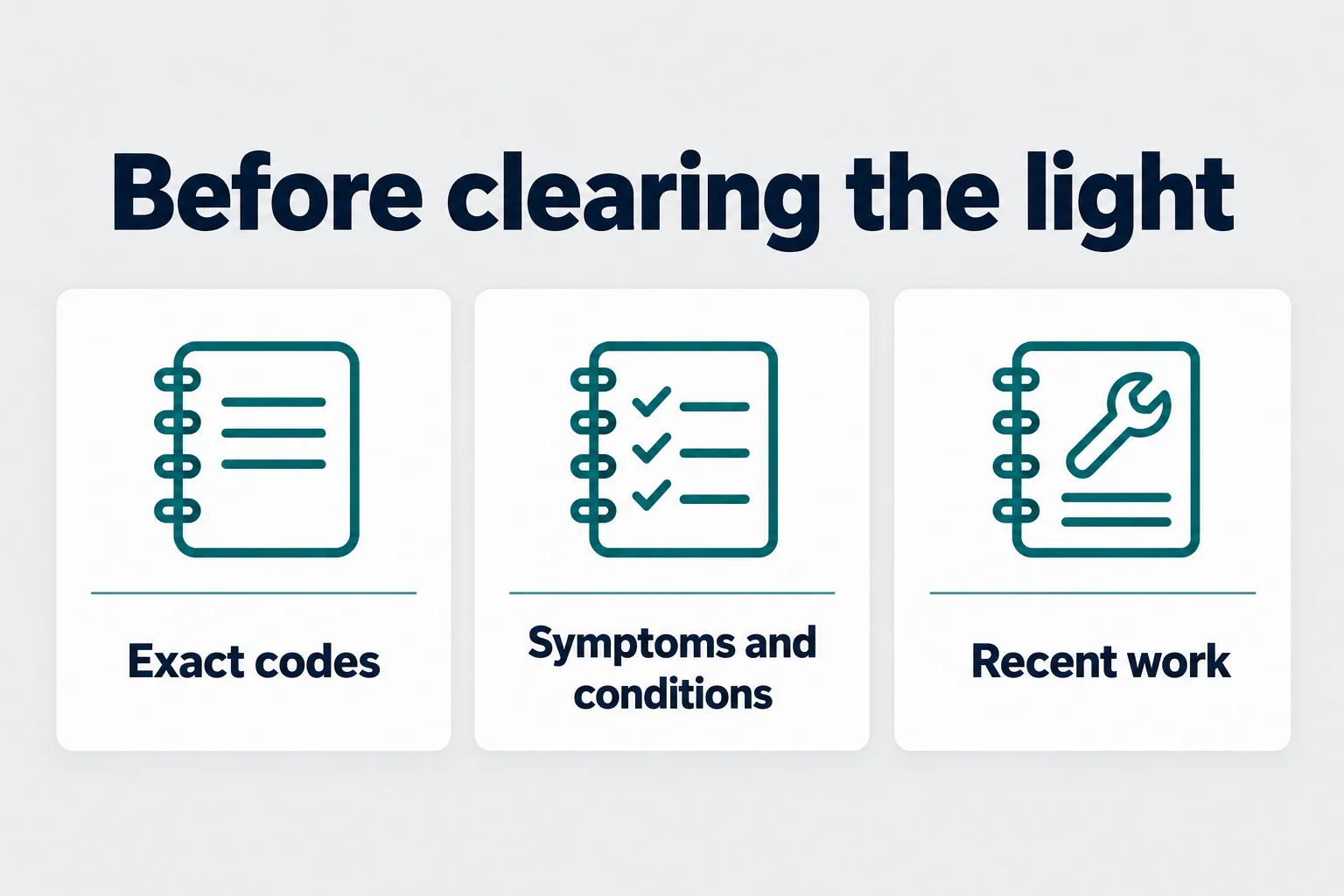
Save the codes and relevant operating information first. Give the technician the symptoms, when they occur and any recent work. Clearing the light can make an intermittent complaint harder to assess and does not correct its cause.
What should happen after the fault is repaired?
The shop should verify the original problem and the applicable system check. A warning disappearing, either on its own or after a reset, does not supply a repair diagnosis or one universal driving-distance requirement.
Request an estimate for the identified work. The check engine light itself has no single repair price, and a make or model named in a search does not establish the cause.
Sources & further reading
- US EPA — What to do with the Check Engine Light
- AAA — The Check Engine Light: Common Causes and How To Fix It | AAA Automotive
- MOTOR — Bob Speaks OBD II | Data Link Connector | DMM
- Ford — Owner's manual: emissions faults and monitor readiness (vehicle-specific example)
Vehicle designs and maintenance requirements vary. Consult the owner’s manual for your exact vehicle and seek a qualified inspection for a specific fault.