Diagnostics and warning lights
Flashing Check Engine Light: Causes and Diagnostic Steps
Published:
Edited and fact-checked by: Jacob Bowen
General information; vehicle-specific diagnosis requires an inspection. How we prepare our guides · This page reserves space for ads. Advertising policy · Privacy choices
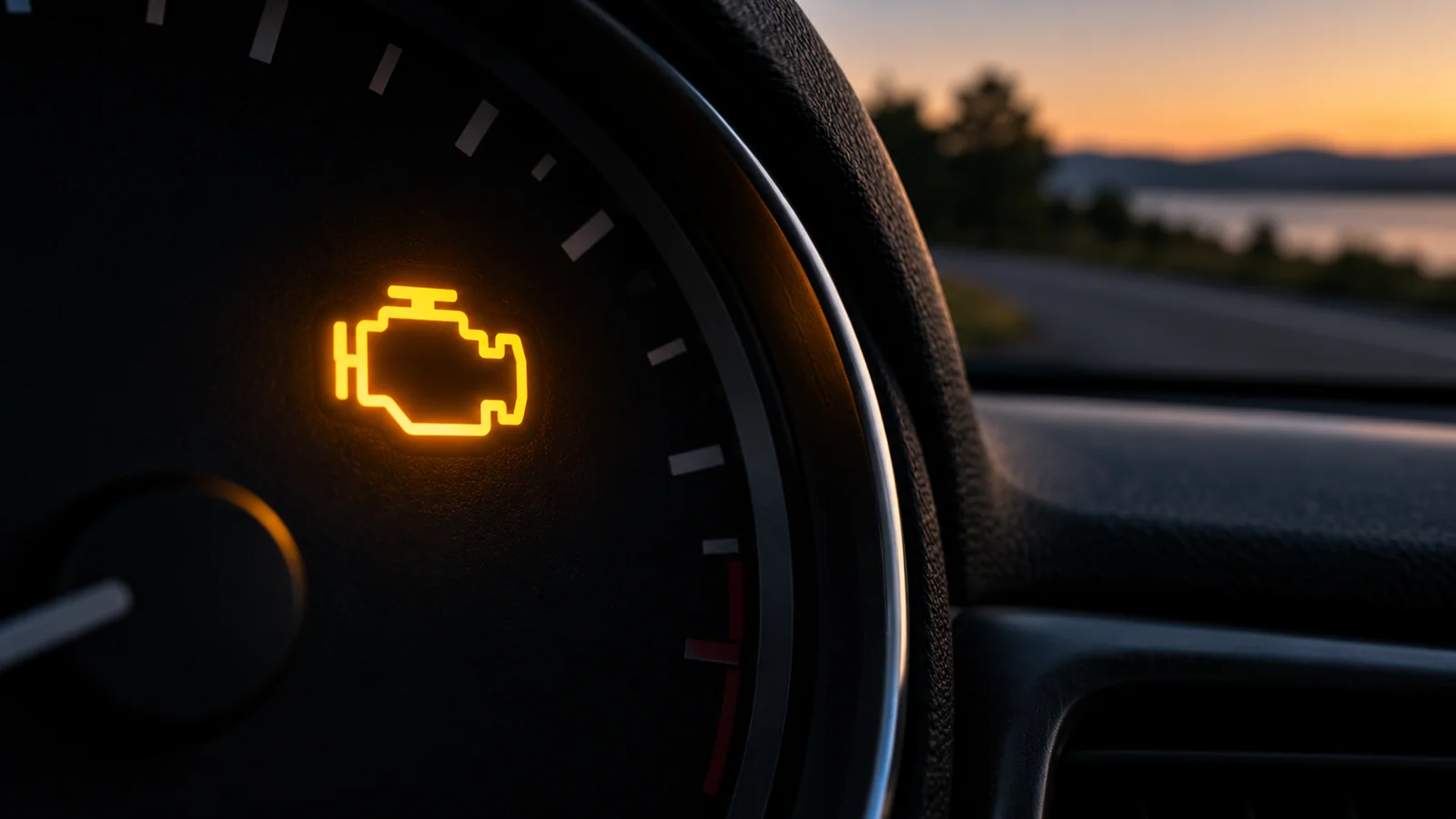
The quick answer
A check engine light flashing while the engine runs commonly signals a serious misfire. Ease off the accelerator and avoid heavy load. If the car shakes, loses power, smells unusual or keeps flashing, pull over safely, switch the engine off and arrange assistance. Check your owner's manual for the instructions for your vehicle.
Is a blinking check engine light more urgent than a steady light?
Yes. EPA guidance associates blinking with a severe engine problem requiring quick attention and recommends minimizing driving and avoiding high speed or excess load. AAA advises stopping when flashing accompanies abnormal operation.
Do not use a general suggestion about driving with a steady warning as permission to continue with a flashing one. You cannot judge the risk from the dashboard light alone.
Why is the car shaking when the light flashes?
Shaking can accompany uneven engine operation from a misfire. It makes prompt assessment especially important. The warning reports a detected problem; it does not name the failed part.
Confirm which indicator is flashing. A check engine or service engine soon warning is different from a routine maintenance reminder. The owner's manual identifies the symbols and their meanings.
What should the repair shop check?
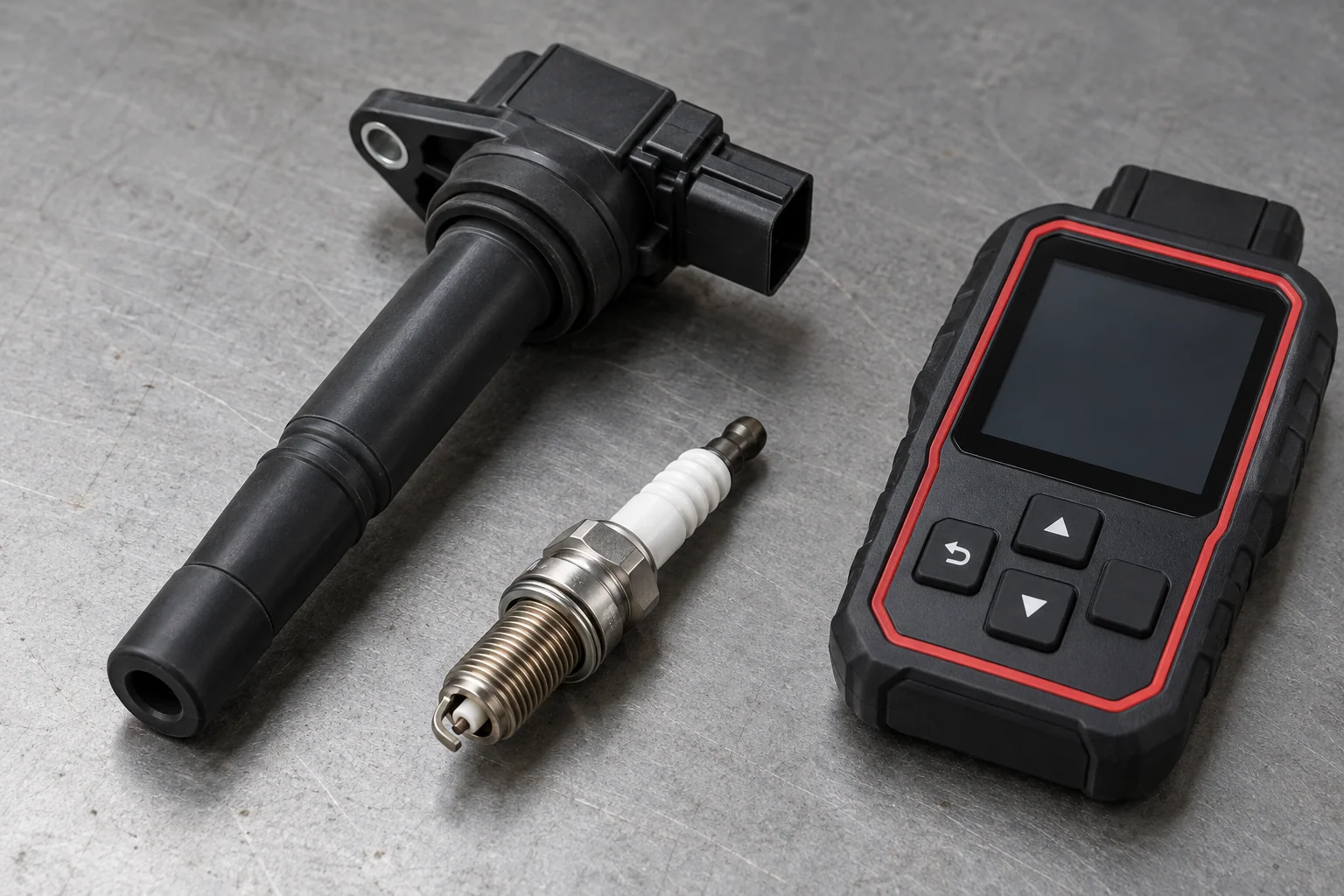
The technician should retrieve the diagnostic codes, then follow the manufacturer's testing procedure. Ask for an explanation of the result that supports the proposed repair rather than a parts list based solely on the warning.
Misfire diagnosis considers ignition, fueling and mechanical condition. A misfire is not proof that an ignition coil failed.
Will tightening the gas cap fix a flashing light?
A loose gas cap can trigger an emissions warning, but that does not make it an explanation for a flashing light and a shaking engine. Do not delay assistance while trying general check-engine-light remedies.
The repair should address the demonstrated fault. Replacing parts or clearing the warning before diagnosis can leave the original problem unresolved.

What if the light flashes and then stops?
Report the episode even if the engine now feels normal. Note whether it happened while accelerating, climbing a hill, starting cold or driving after the engine warmed up. A warning that stops does not identify why the problem occurred.
Have the shop verify the repair with the diagnostic equipment and vehicle-specific procedure. A light that goes out is useful information, but it is not a substitute for checking the fault.
Can you drive it to the shop?
There is no safe mileage promise that applies to every flashing-light event. If the vehicle is shaking or losing power, arrange recovery. If it appears to run normally, consult the manual and speak with the repair shop or roadside assistance before continuing. Tell them that the light flashed, rather than simply saying the check engine light came on.
Sources & further reading
- AAA — The Check Engine Light: Common Causes and How To Fix It | AAA Automotive
- US EPA — What to do with the Check Engine Light
- MOTOR — Shots in the Dark: Engine Misfire Diagnosis
Vehicle designs and maintenance requirements vary. Consult the owner’s manual for your exact vehicle and seek a qualified inspection for a specific fault.