Brakes
New Brakes Squeaking or Grinding: Symptoms, Diagnosis and Repair Options
Published:
Edited and fact-checked by: Jacob Bowen
General information; vehicle-specific diagnosis requires an inspection. How we prepare our guides · This page reserves space for ads. Advertising policy · Privacy choices
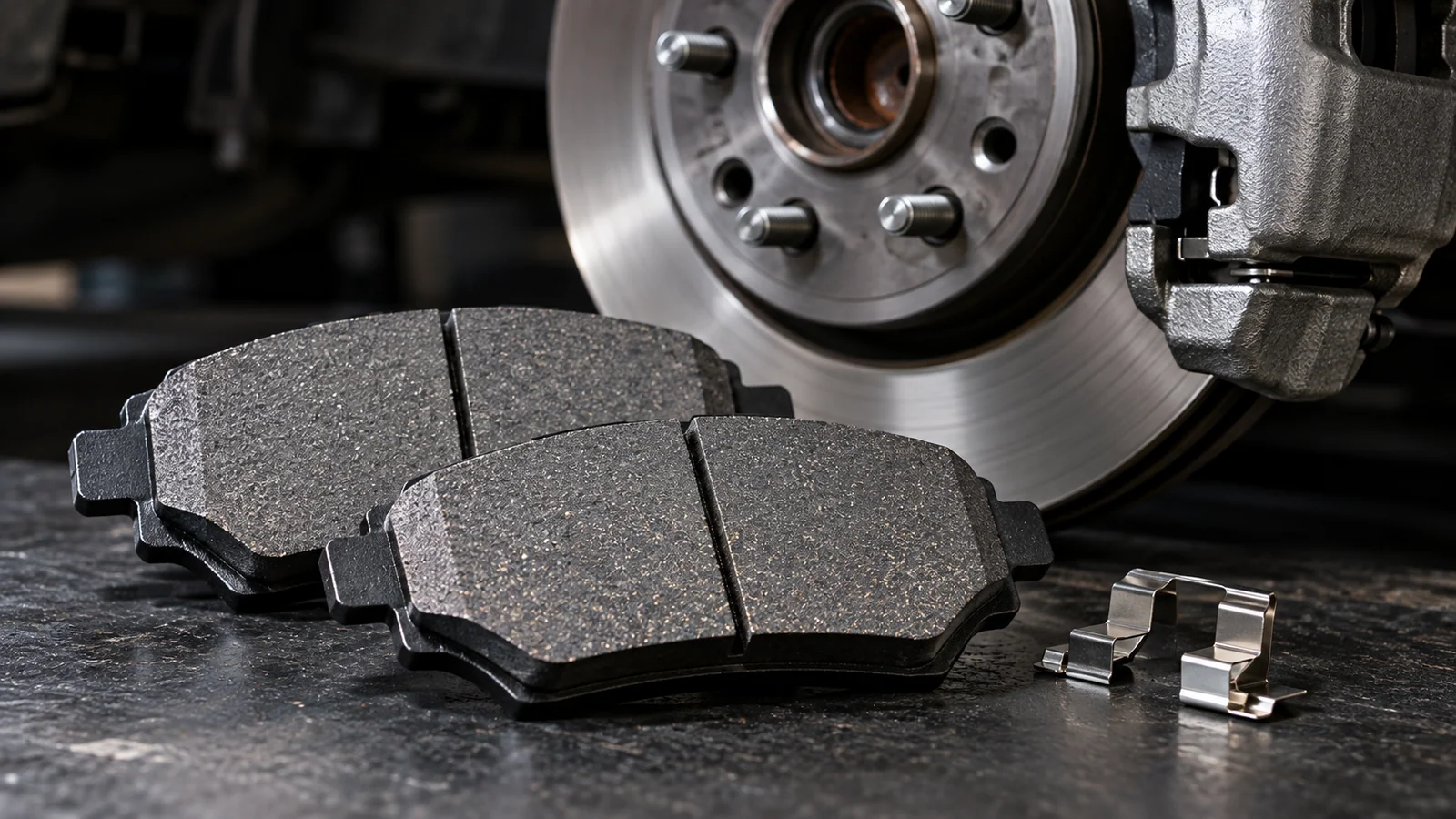
The quick answer
New brakes that squeak need the noise assessed against the installation and the parts' bedding instructions. Grinding, dragging, pulling or reduced braking needs prompt inspection; stop using the vehicle if braking is affected. Do not assume a new part makes the system fault-free or that every noise will disappear with more miles.
What should you tell the shop after the brake job?
Explain whether it is a high squeal, scrape, grind or clunk, whether it occurs with the pedal released, and whether the car pulls or the pedal feels different. Include which axle was serviced and whether the work included pads, rotors, calipers or hardware.
Contact the installer promptly. If stopping ability has changed, the pedal is abnormal or there are signs of severe dragging or overheating, arrange transport instead of driving back to demonstrate it. Do not touch a wheel or brake assembly to judge its temperature.
What should be checked in a new-brake noise inspection?
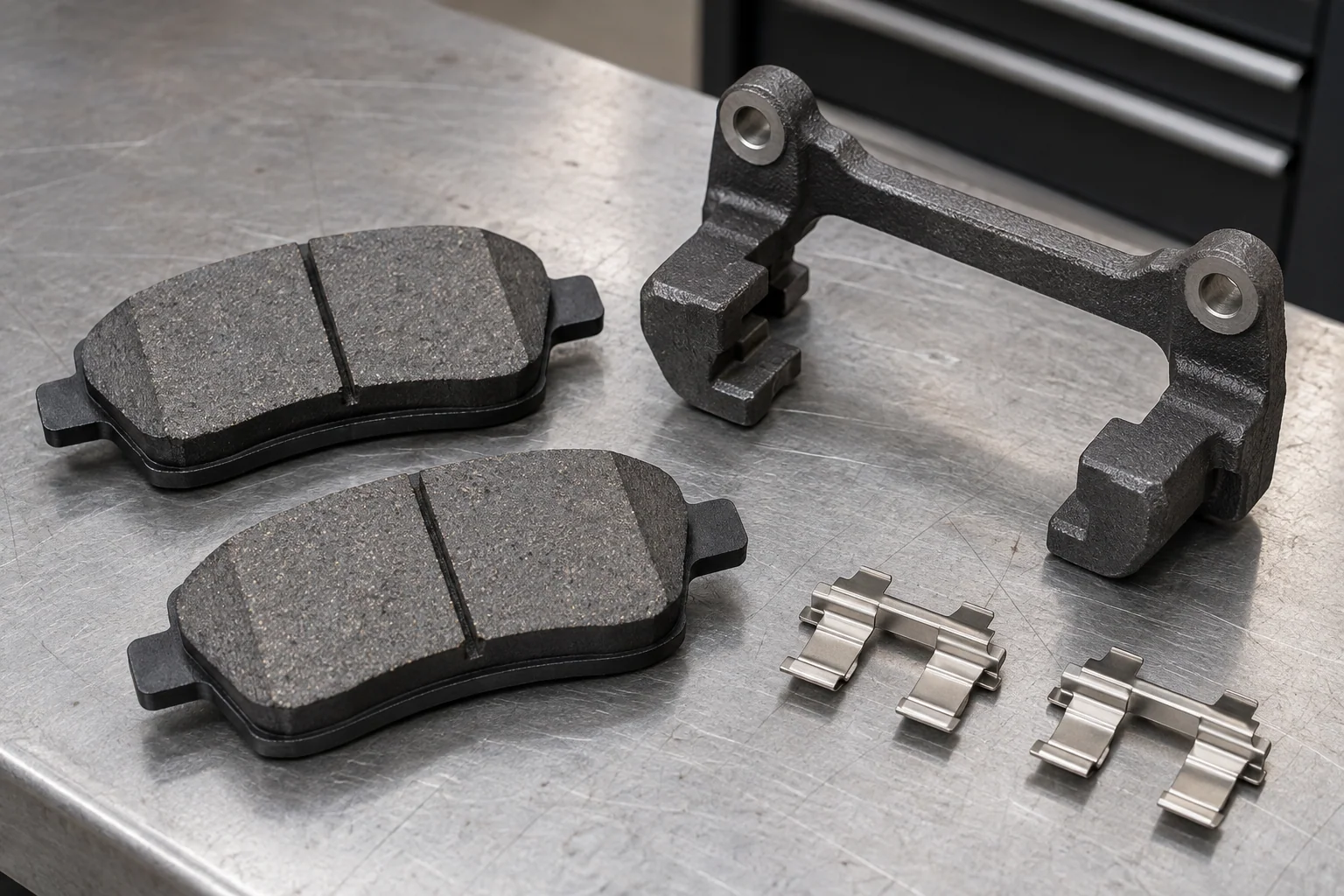
Ferodo's technical guide calls for checking correct pad fitment and orientation, freedom of movement, clips and springs, slide-pin condition, fluid leaks and the friction surfaces. New pads fitted incorrectly can still make noise or work poorly.
Ask whether the pads move correctly in their brackets and whether the caliper releases properly. A sticking mechanism can produce rapid uneven wear, so another pad set alone may leave the cause unresolved.
If there is also pulsation, ask which rotor and mounting measurements were checked against the vehicle's limits. Do not assume that every new disc is correctly seated or that every vibration identifies a defective disc.
Is the shop right to say they just need bedding in?
Bedding is part of matching the friction surfaces, but the explanation should come with the instructions for the actual parts and confirmation that the installation is sound. Ask what noise is expected and what should trigger another inspection.
HELLA identifies glazing and thermal damage as possible consequences of overloading new pads during bedding. Do not attempt a generic series of aggressive stops to cure an unexplained squeal or grind. Correct an installation or component fault before any prescribed bedding procedure.
Could grease or contamination cause the problem?
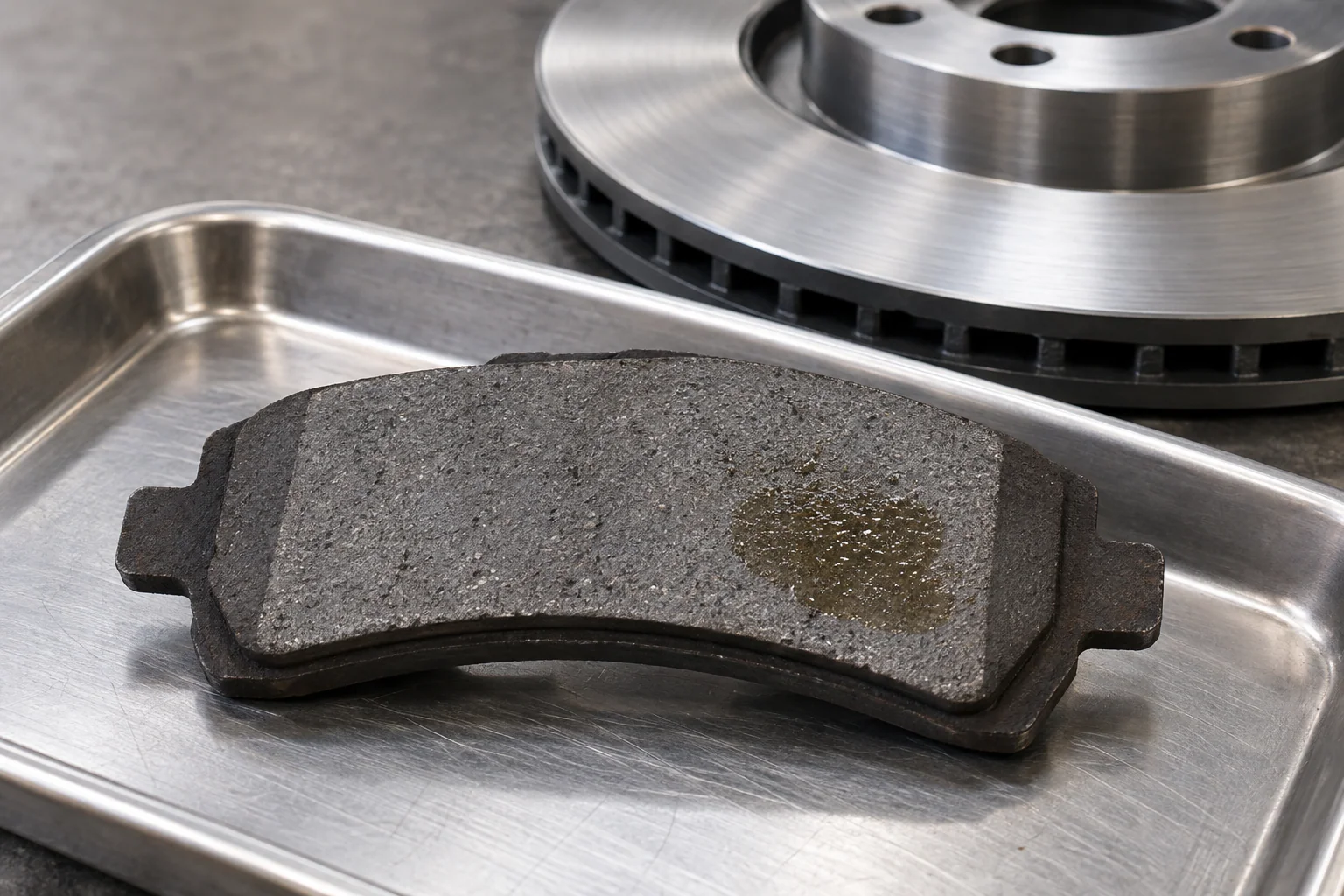
Yes. HELLA describes oil, grease or other contamination on friction material as a source of noise and impaired braking. The contaminant and its source need identifying, with damaged parts dealt with according to the relevant instructions.
Do not spray lubricant on the disc or pad friction surfaces to silence them. Any approved lubricant belongs only at the specified contact points and must be compatible with that brake system. A quieter brake is not a successful repair if braking performance has been reduced.
The shop should explain whether the correction involves hardware, fitment, a sticking component, contamination or unsuitable friction surfaces, then verify the original complaint safely.
Should you pay for another set of brakes?
Request the return inspection findings and ask how the original work's warranty applies. Coverage depends on the agreement and confirmed cause; new noise does not by itself establish that another full brake job is required.
For context, RepairPal's US pad-replacement benchmark, updated September 3, 2026, is $335–$394, excluding taxes, fees, location and related repairs. This is not a pads-and-rotors package price or a diagnosis of the new noise.
If more work is recommended, get the affected axle, part quantities, labor and reason in writing. Compare the actual correction needed rather than repeatedly buying new pads without finding the cause.
Sources & further reading
- MOTOR — Brake Shop: Pedal Pulsation & Brake Noise
- MOTOR — Brake Shop: Common Complaints & Cures
- HELLA — Failure modes of brake discs and brake pads
- Ferodo: investigating brake noise and installation faults
- RepairPal: brake-pad replacement cost estimate
Vehicle designs and maintenance requirements vary. Consult the owner’s manual for your exact vehicle and seek a qualified inspection for a specific fault.