Electrical
P0500: Vehicle-Speed Signal Causes, Tests and Repairs
Published:
Edited and fact-checked by: Jacob Bowen
General information; vehicle-specific diagnosis requires an inspection. How we prepare our guides · This page reserves space for ads. Advertising policy · Privacy choices
The quick answer
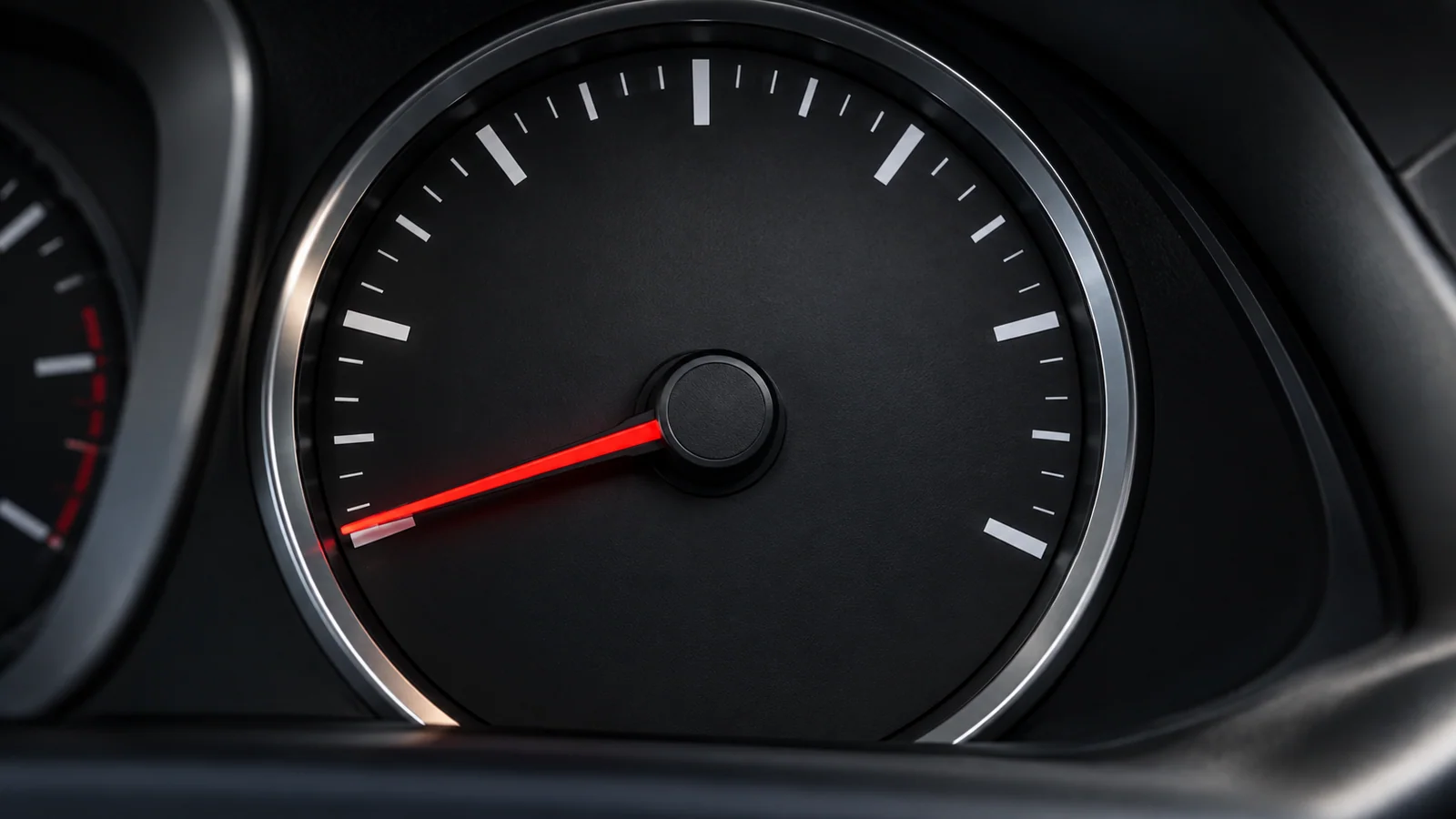
P0500 means the engine-control system has detected a vehicle-speed sensor malfunction. It does not automatically identify a failed wheel sensor or a sensor mounted on the transmission. The correct diagnosis traces where your vehicle gets its speed information, checks that signal and its wiring, and compares the data reaching the relevant control modules.
Where is the vehicle speed sensor for P0500?
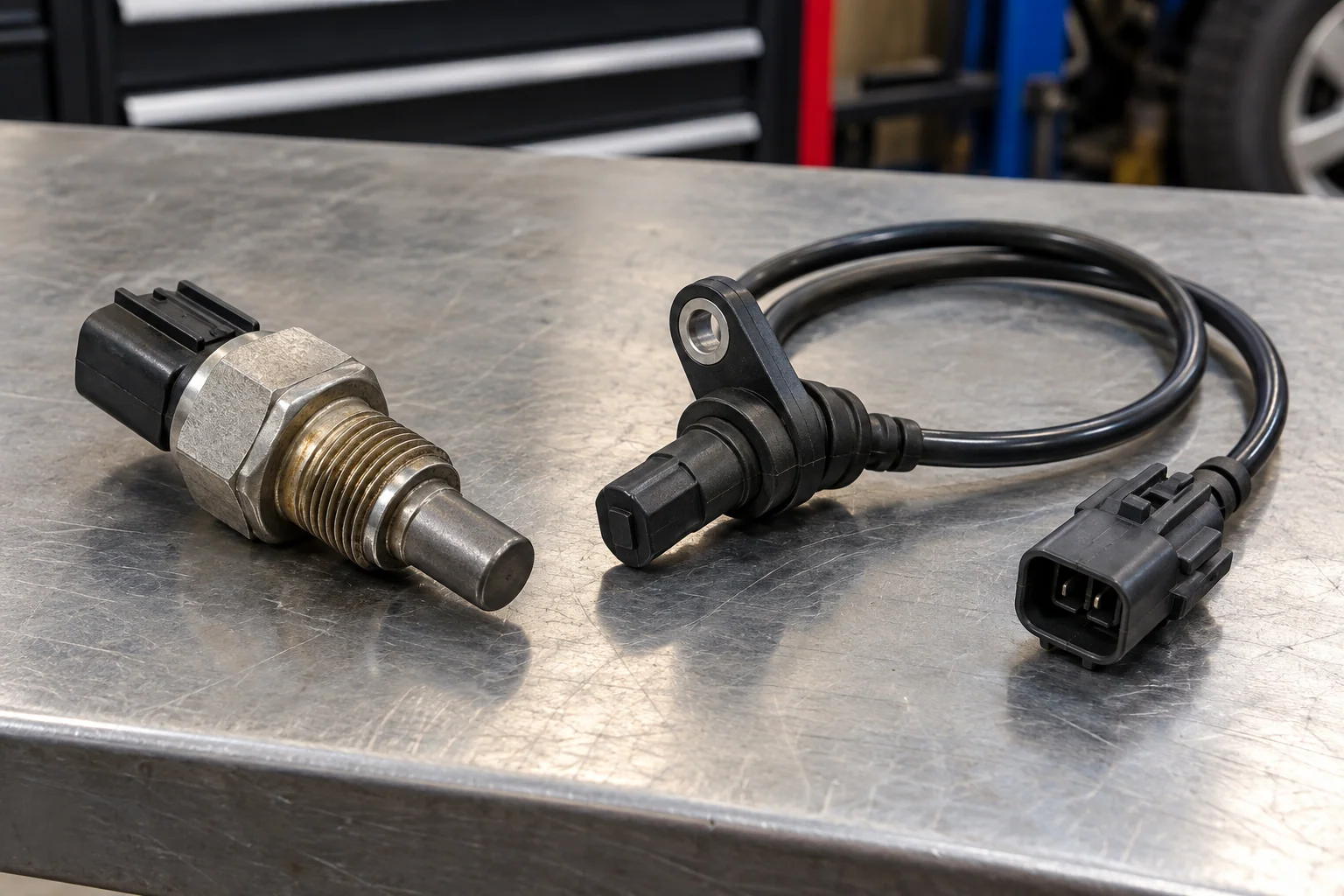
There is no universal location. Ford's 2008 OBD operation summary describes vehicles that obtain speed from another module, such as ABS, and others that calculate it from transmission output speed. The transmission and vehicle configuration determine the path.
The same Ford document gives a specific example: the 5R110W system receives its vehicle-speed signal from ABS. That does not mean every Ford Ranger, Toyota, Subaru or Nissan with P0500 needs an ABS sensor. Use the exact vehicle's diagram and diagnostic information.
What should you tell the shop?
Record whether the speedometer stopped working, the transmission began shifting differently, or ABS and other warnings appeared. Save all codes and the conditions in which the complaint occurs. A code from a second module may help explain where the signal is being lost.
HELLA explains that wheel-speed information can be shared with engine, transmission and other systems. That connection is useful when investigating several warnings together, but it does not prove that the wheel sensor itself failed.
How is the speed-signal fault confirmed?
The technician should compare available wheel-speed, transmission-speed and reported vehicle-speed data with the signal path shown in the service information. Where does usable information stop reaching the next component?
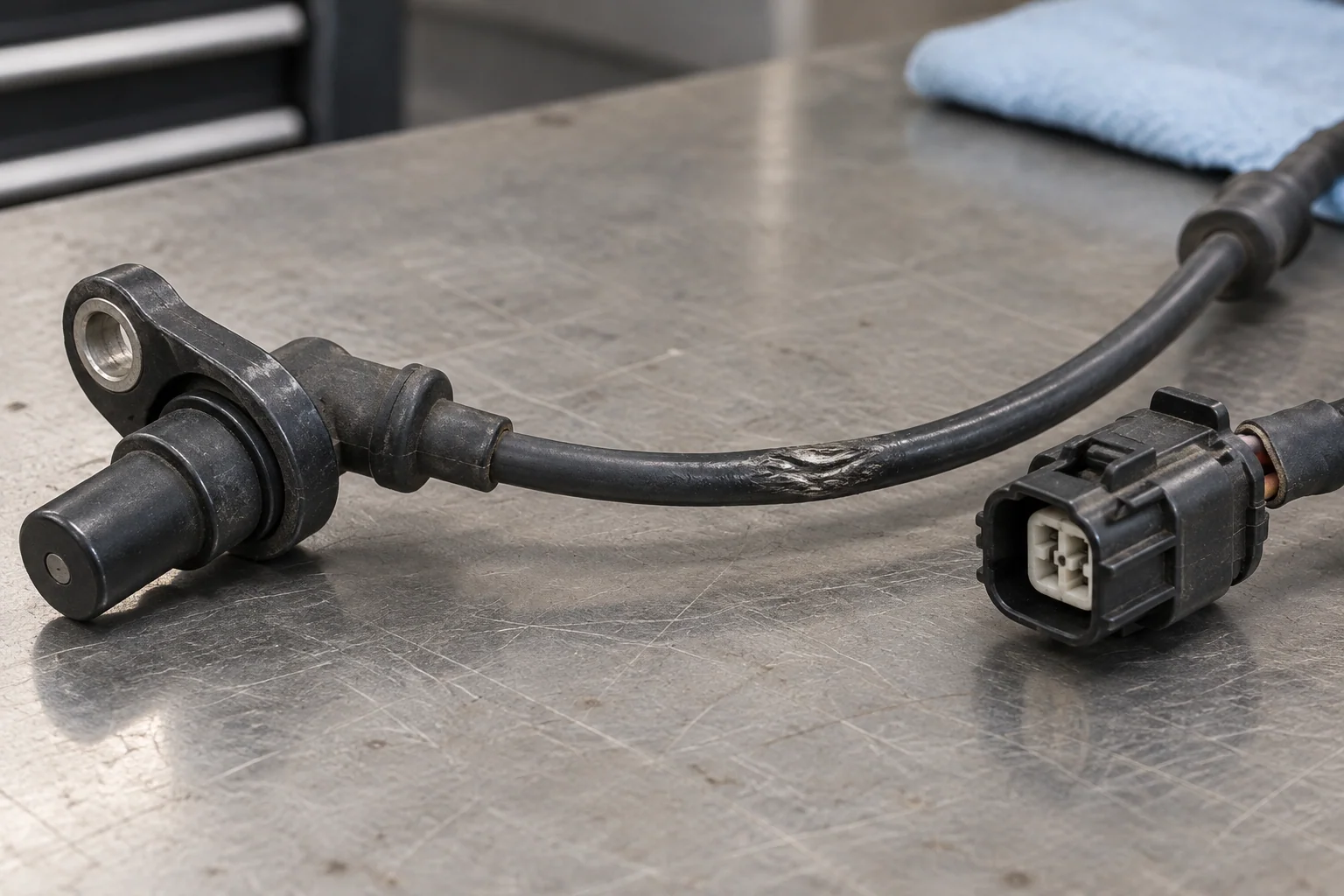
Checks can then target connectors, wiring, supply and ground, the relevant sensor and its rotating target. HELLA's wheel-sensor example includes a damaged supply cable, demonstrating why a sensor-related code still needs circuit inspection.
Use the test method for the sensor design. Active and passive wheel sensors operate differently; an ordinary resistance check is not a valid internal test for an active sensor. Ford's monitor thresholds also vary by application, so generic speeds or voltages are not universal pass/fail limits.
What repair should you authorize?
Ask the shop to identify the failed part of the signal path and the test supporting that conclusion. Repair damaged wiring or replace a sensor only when the findings justify it. Follow the manufacturer's requirements for installation and any configuration work.
Verify the restored speed data and recheck affected modules after repair. Clearing P0500 alone does not show that the signal is correct. If braking, shifting or vehicle control is affected, arrange assistance instead of continuing to drive for diagnosis.
Sources & further reading
- HELLA — OBD-II powertrain DTC definitions (English)
- Ford Motor Company — 2008 MY OBD System Operation Summary
- HELLA — Check and change ABS and wheel speed sensors
Vehicle designs and maintenance requirements vary. Consult the owner’s manual for your exact vehicle and seek a qualified inspection for a specific fault.