Brakes
Brake Pedal Goes to the Floor: Symptoms, Diagnosis and Repair Options
Published:
Edited and fact-checked by: Jacob Bowen
General information; vehicle-specific diagnosis requires an inspection. How we prepare our guides · This page reserves space for ads. Advertising policy · Privacy choices
The quick answer
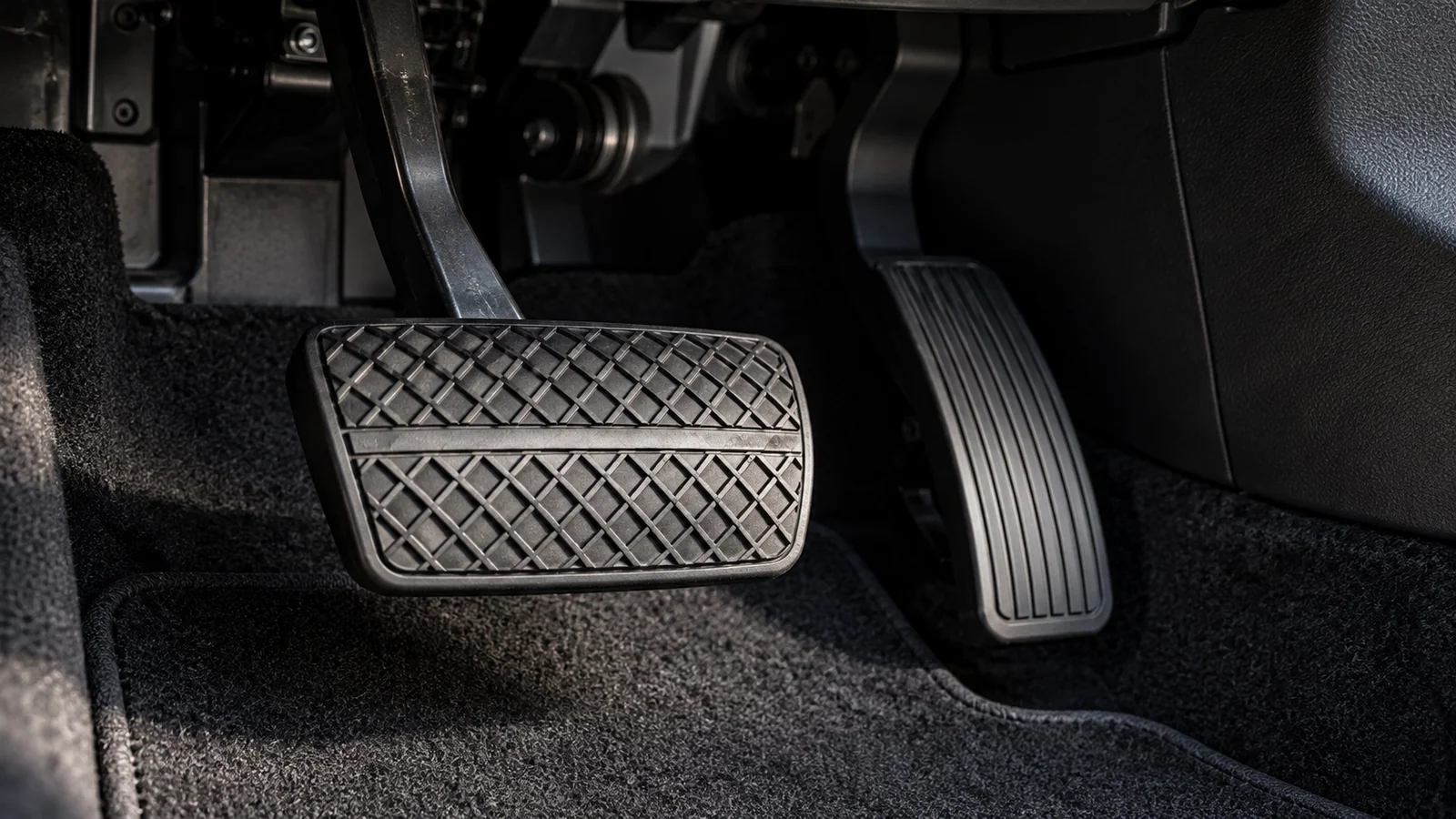
A brake pedal that goes to the floor or will not hold pressure needs immediate professional inspection. Do not drive the vehicle or road-test it to check the brakes; arrange transport. Possible causes include fluid loss, trapped air or a hydraulic pressure fault. The pedal symptom alone does not identify the part that needs replacement.
What details should you give the technician?
Explain whether the pedal suddenly traveled farther, slowly sank under steady pressure or became soft after brake work or heavy use. Mention warning lights, any visible fluid and recent repairs. You do not need to recreate the problem on the road.
A pedal that feels better after pumping is not proof the car is safe. Excess travel can leave insufficient movement to apply the brakes properly. Keep the vehicle parked until the cause is corrected.
Does it mean the master cylinder has failed?
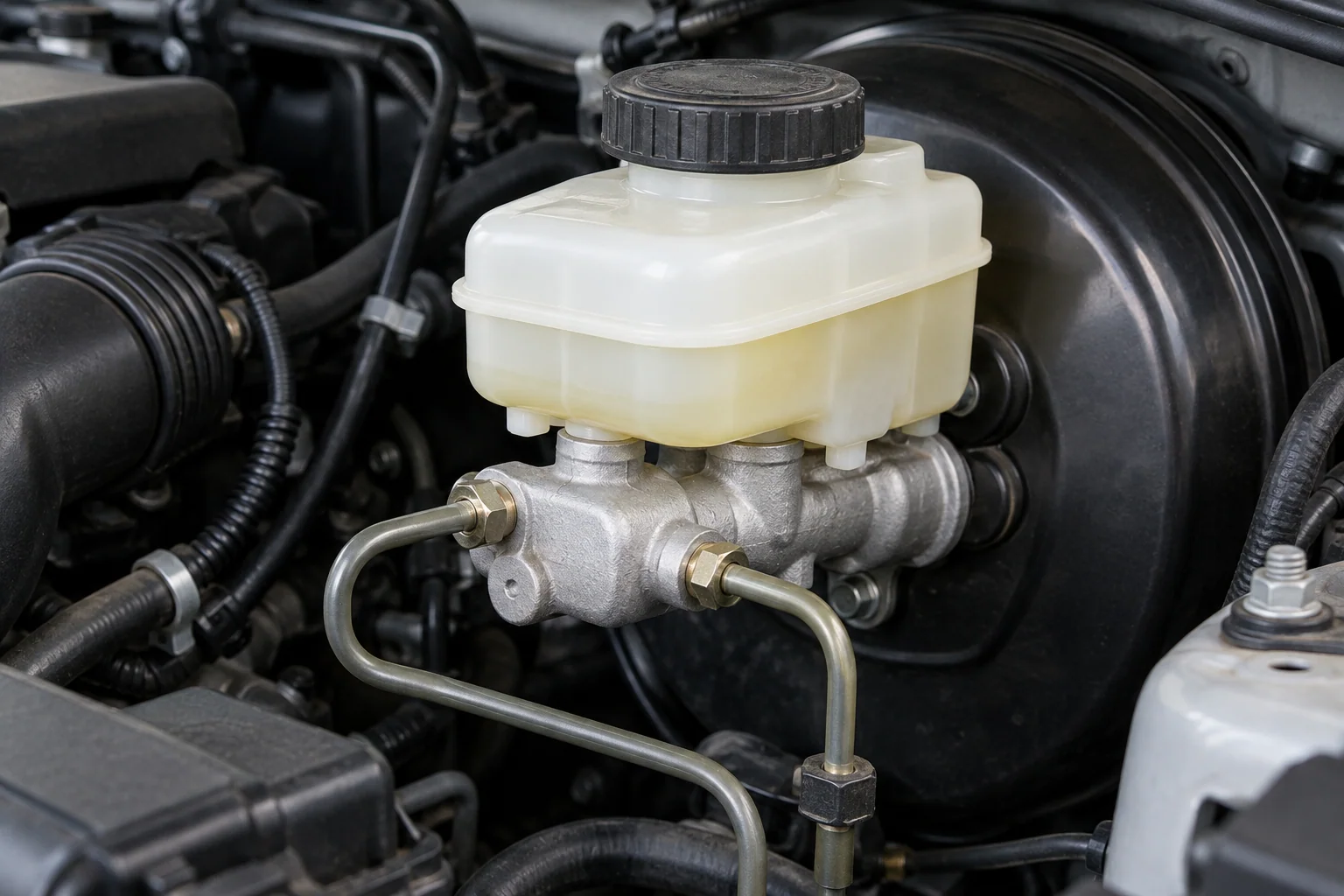
A master cylinder that cannot maintain hydraulic pressure is one possibility, but the rest of the circuit needs checking. AA1Car's brake guide identifies leaks, air, hose problems and drum-brake adjustment among causes of abnormal pedal travel.
The inspection should include the reservoir, master cylinder, lines, hoses, calipers and any wheel cylinders fitted. A low reservoir can have more than one explanation, so ask where any lost fluid went. Adding fluid does not repair a leak or remove air already in the system.
The test procedure must match the actual brake and assist system. Ask which pressure or inspection finding supports the diagnosis rather than accepting a master-cylinder replacement solely from the symptom.
What if the pedal became soft after a brake repair?
Air introduced when hydraulic components are opened or replaced can cause extra pedal travel. AA1Car explains that air can remain in components or the ABS hydraulic unit and compress when the pedal is applied.
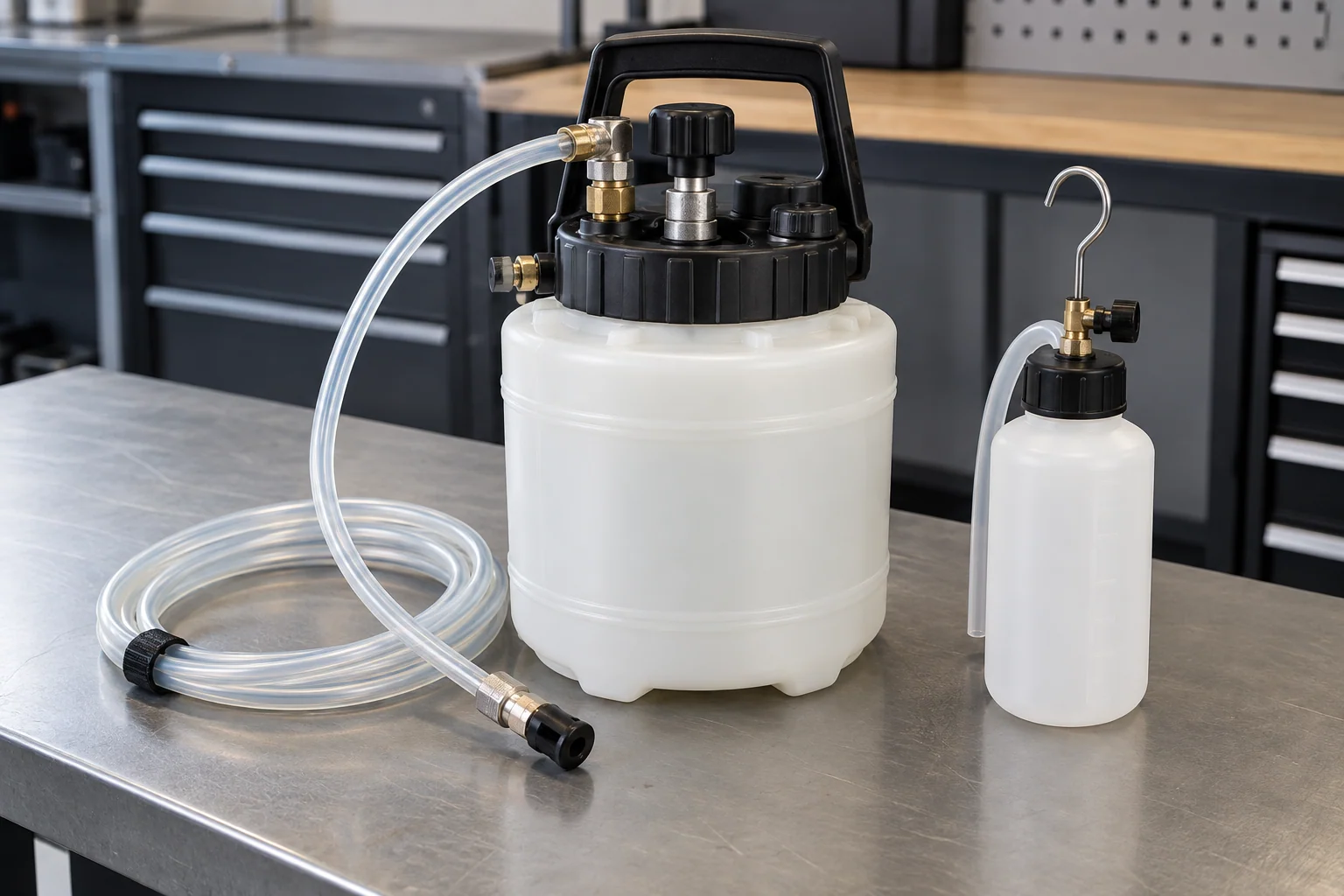
Have the recent work checked for correct assembly and leakage, followed by the prescribed bleeding procedure when required. Some ABS systems need a scan-tool routine. Repeated ordinary bleeding is not automatically a substitute for the correct procedure, and bleeding cannot fix an ongoing leak or internal pressure fault.
What should the repair and final checks establish?
The recommendation should name the confirmed fault and explain why the proposed repair addresses it. Use the specified fluid and any required system-specific service routine. There is no useful single repair price for an unidentified loss of pedal.
Before returning the vehicle to use, the shop should verify that pressure is maintained, the system is free of leaks, applicable bleeding and checks are complete and the brakes operate correctly. A cleared warning light alone is not that verification.
Sources & further reading
- Brembo — Vapour lock and brake fading, what they are and how to prevent them.
- AA1Car / Larry Carley — FIXES FOR COMMON BRAKE PROBLEMS
- AA1Car / Larry Carley — How to Bleed Brakes
Vehicle designs and maintenance requirements vary. Consult the owner’s manual for your exact vehicle and seek a qualified inspection for a specific fault.