Ignition and engine control
Spark Plug Replacement: Procedure, Costs and Common Mistakes
Published:
Edited and fact-checked by: Jacob Bowen
General information; vehicle-specific diagnosis requires an inspection. How we prepare our guides · This page reserves space for ads. Advertising policy · Privacy choices
The quick answer
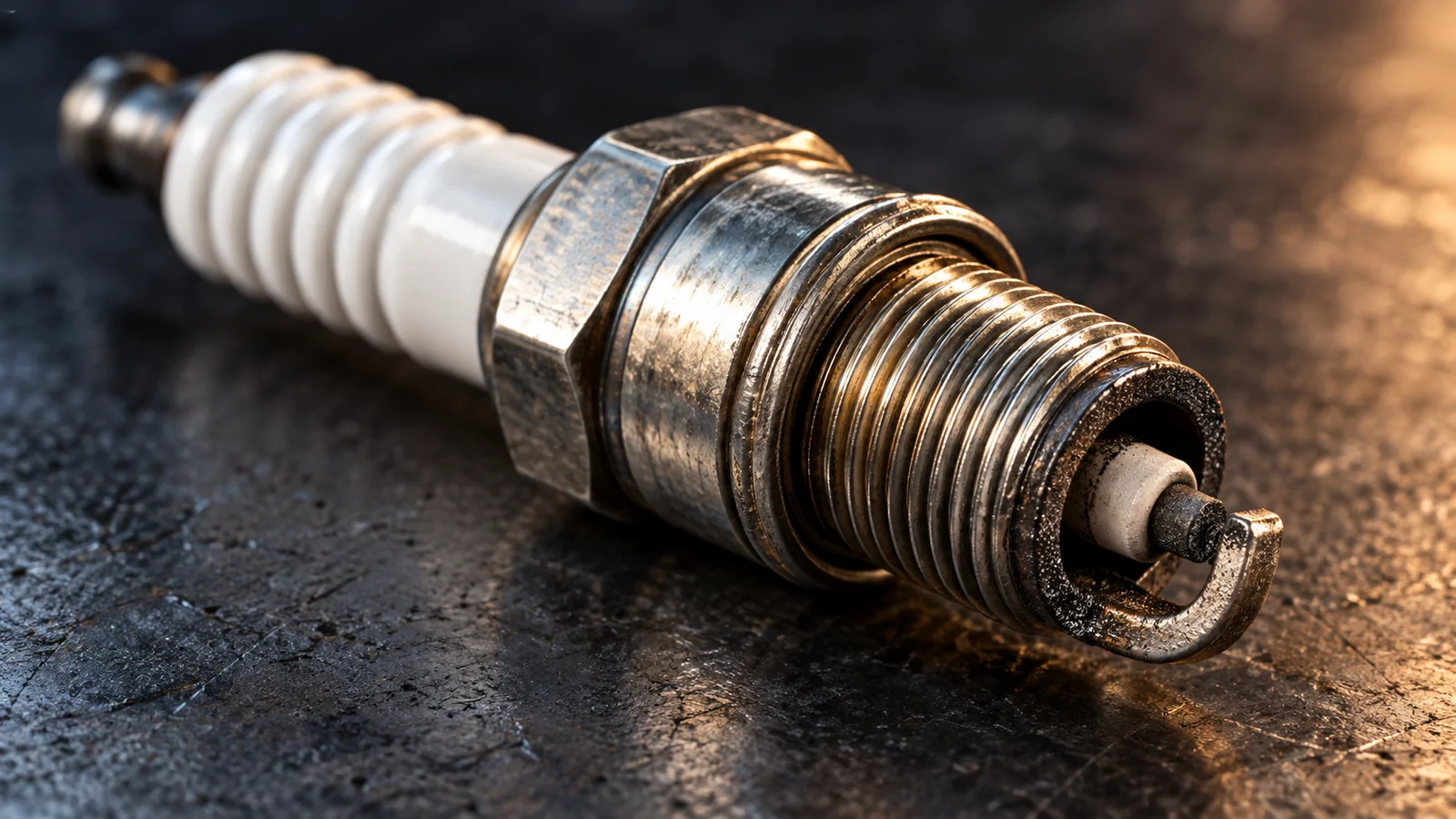
Replace spark plugs at the manufacturer's interval or when inspection and testing establish that they need replacement. Use the exact specified plug, gap instructions and tightening requirement. A misfire can have another cause, so a plug change should not replace diagnosis. Correct installation matters as much as buying the right parts.
Do symptoms prove the spark plugs need changing?
Poor starting, rough running or a misfire can involve plugs, but they also need checking in the context of the rest of the ignition and engine systems. Review the maintenance history and inspect the removed plugs by cylinder.
NGK explains that deposits can reflect fuel, oil, heat or other operating conditions. A new plug can foul again if the contributing fault remains. Do not treat one color or deposit as proof of a particular internal-engine failure.
How do you choose the correct replacement?
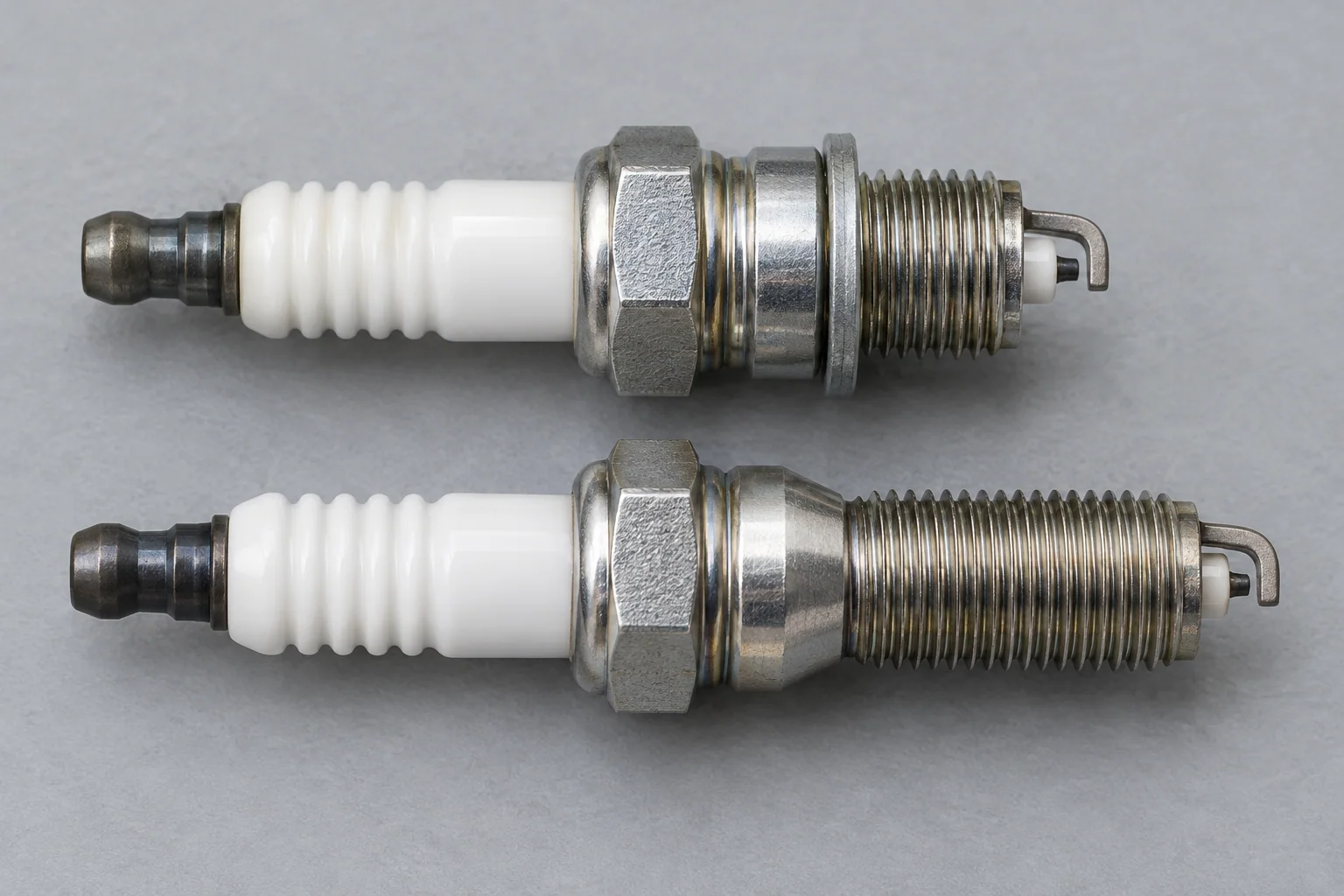
Use a trusted application listing and the vehicle's specification. Thread reach, seat design, heat range and electrode configuration matter, not just whether the plug screws into the hole.
NGK explains that heat range describes heat dissipation from the firing end, not a hotter or stronger spark. Choosing a hotter plug to hide oil or fuel fouling reduces the safety margin rather than repairing its cause.
Follow the plug maker's gap instructions. NGK notes that an excessive gap raises ignition-voltage demand and can cause misfires. Fine electrodes can be damaged during adjustment, so do not assume every plug should be pried to a generic gap.
What should careful installation involve?
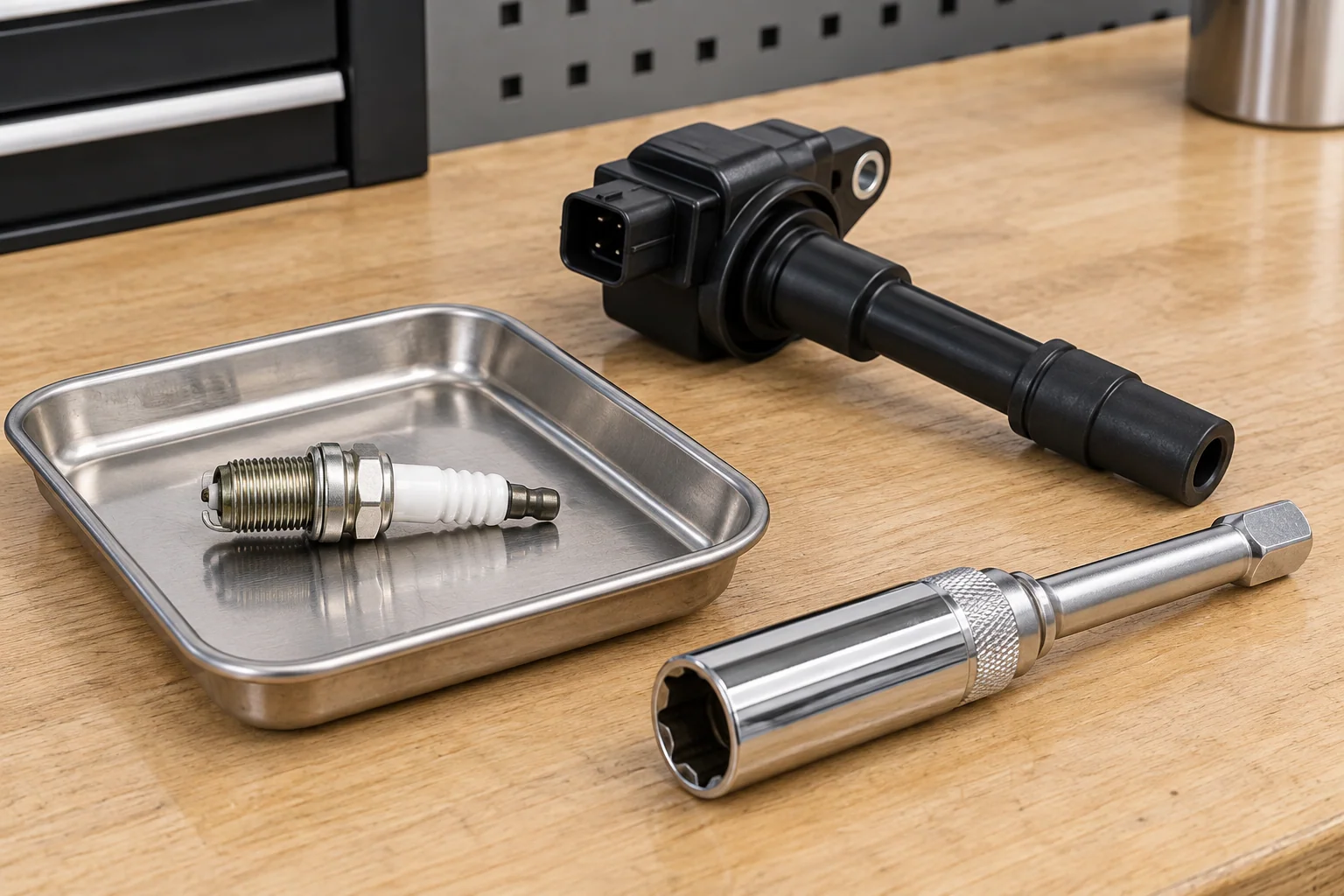
Review access and the engine-specific removal procedure before starting. DENSO emphasizes a cool engine, keeping dirt out of the cylinders and checking the threads and related ignition components.
Start the new plug straight by hand, then use the specified tightening method. Do not force a plug that resists turning. DENSO warns that both insufficient and excessive tightening can cause damage, and advises against thread lubricant unless specifically required. An automatic application of anti-seize can change the tightening result.
Reassemble the coils or leads and intake components correctly. Do not assume all engines have plug wires or that plugs are easily accessible. Difficult access can make professional replacement the sensible choice.
How much does spark-plug replacement cost?
RepairPal's US estimate, updated September 3, 2026, is $288–$399, including $184–$270 labor and $104–$129 parts. Taxes, fees, location and related repairs are excluded. It is a broad replacement benchmark, not a quote for every engine.
Ask how many plugs are included and whether access work or required seals are part of the price. Coils, leads and spark-plug tube-seal repairs are separate scope unless the quote explicitly includes them. Compare the specified job rather than only the price of a single plug.
What if it misfires or idles roughly after the change?
Have the work checked promptly: correct parts, plug condition, applicable gap, seating, boots, leads and connectors. A new symptom after service warrants checking what was disturbed before assuming an unrelated part failed.
Ask for the relevant code and test findings and have the original running condition verified after correction. Avoid continued driving with severe shaking or a flashing check-engine warning; stop safely and arrange assistance.
Sources & further reading
- Niterra / NGK — How do I "read" a spark plug? - NGK Spark Plugs
- Niterra / NGK — Understanding Spark Plug Heat Range - NGK Spark Plugs
- Niterra / NGK — Gapping and Indexing - NGK Spark Plugs
- DENSO — How DENSO spark plugs work
- DENSO: spark-plug installation best practices
- RepairPal: spark-plug replacement cost estimate
- AAA: onboard diagnostics and flashing check-engine warnings
Vehicle designs and maintenance requirements vary. Consult the owner’s manual for your exact vehicle and seek a qualified inspection for a specific fault.