Ignition and engine control
Bad Spark Plug Symptoms: How to Check for Wear and Fouling
Published:
Edited and fact-checked by: Jacob Bowen
General information; vehicle-specific diagnosis requires an inspection. How we prepare our guides · This page reserves space for ads. Advertising policy · Privacy choices
The quick answer
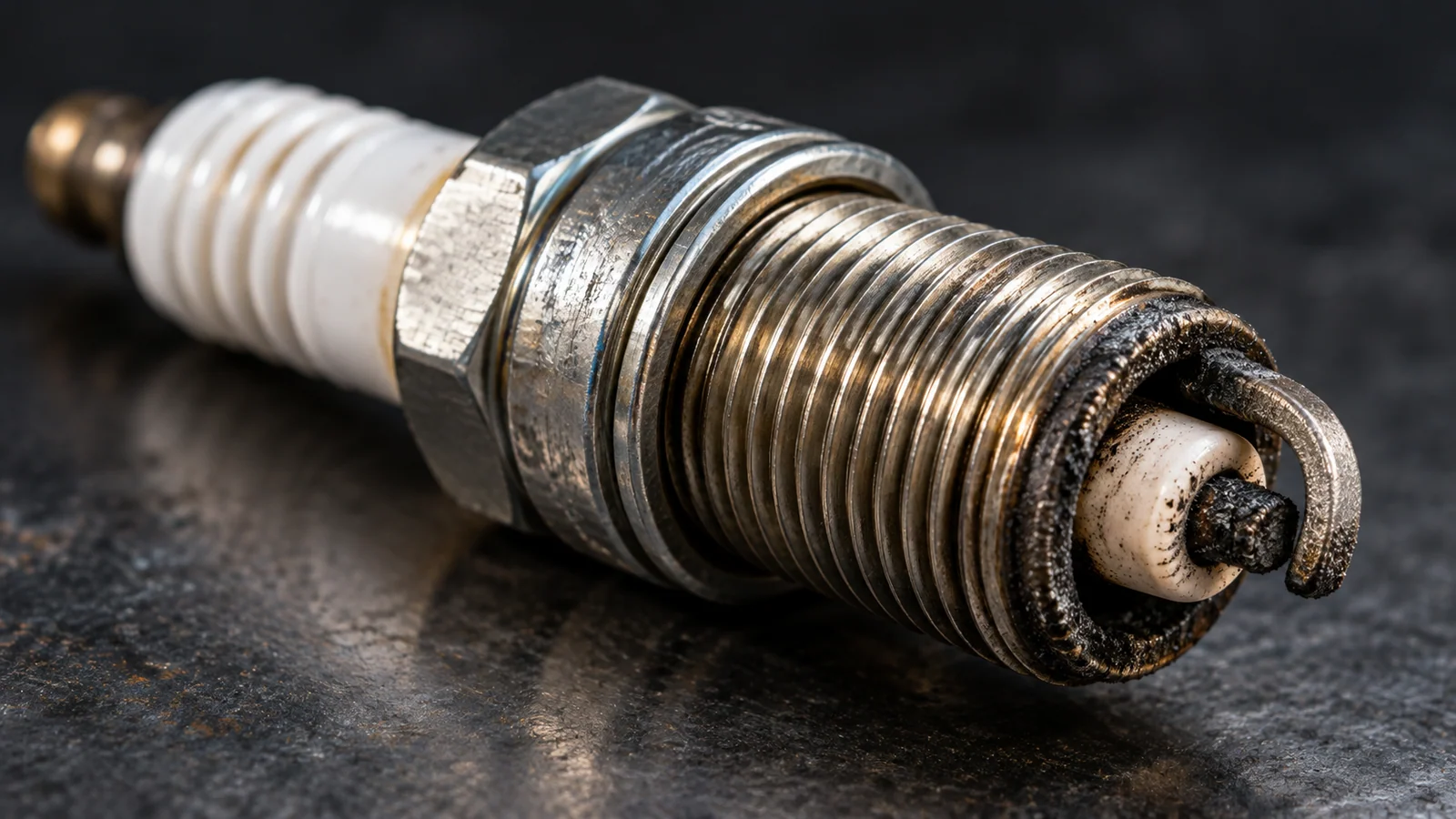
Worn, fouled or damaged spark plugs can contribute to hard starting, misfires, rough running and poor acceleration. Those symptoms also have other causes, so confirm plug condition and the affected cylinder before replacing parts. Check the manufacturer's maintenance schedule and specified plug. If the check-engine light flashes or the engine runs severely rough, stop safely and arrange assistance.
How do you know whether the plugs are causing the problem?
Begin with the complaint, maintenance history and available misfire information. The technician should inspect the relevant plugs and ignition connections and check whether the evidence explains the symptoms.
A cylinder-misfire code does not prove that cylinder's plug is bad. A damaged boot, coil problem, fueling fault or mechanical condition can need a different repair. Tell the shop if the problem began immediately after plug replacement.
What can the old spark plugs tell you?
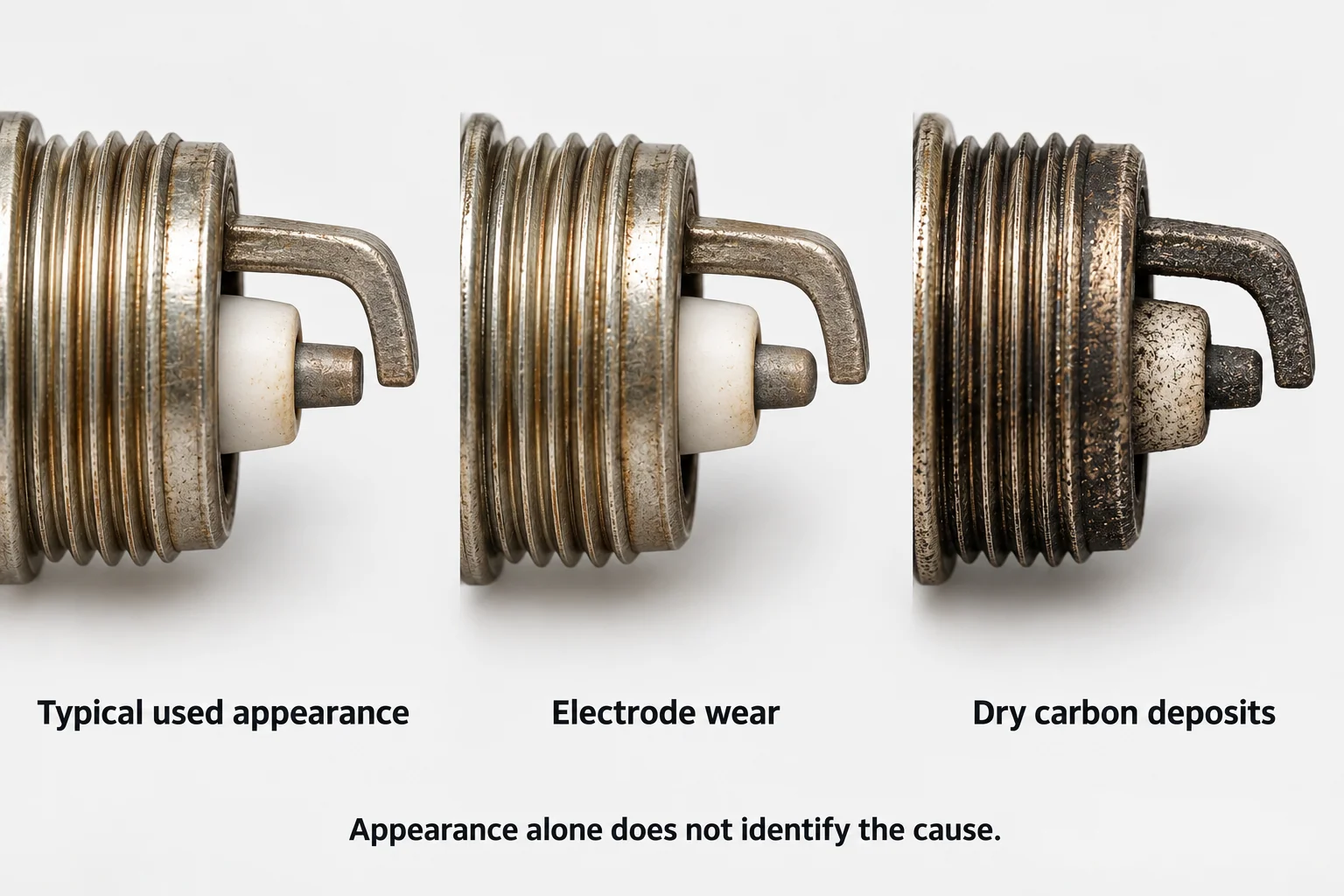
Plug appearance can help show wear, fouling or overheating, but it needs context. NGK notes that deposits can be influenced by oil, fuel quality and operating history. DENSO also describes different appearances associated with carbon, oily deposits and damaged insulators.
Keep removed plugs identified by cylinder so comparisons remain useful. Ask what the inspection establishes and what still needs testing. One deposit pattern is not a complete diagnosis of piston rings, injectors or another engine component.
Can an incorrect gap cause a misfire?
Yes. As the gap increases, the ignition system needs more voltage to fire across it. NGK explains that an excessive gap can exceed what the system can reliably fire, contributing to misfires.
Use the required gap for the exact engine and plug, and follow the plug manufacturer's checking and adjustment instructions. Do not assume that every pre-gapped plug fits every application or that bending an electrode is appropriate for every design. A damaged fine electrode or insulator needs attention, not a larger-gap experiment.
Does a hotter spark plug produce a stronger spark?
Heat range describes how the plug transfers heat from its firing end to the engine; it does not describe spark strength. The specified heat range balances resistance to fouling with protection against overheating.
Do not choose a hotter plug to hide oil consumption or a fueling problem. NGK warns that doing so reduces the margin against pre-ignition. Correct the underlying fault and use the specified application unless a verified engine-specific requirement says otherwise.
How long should plugs last, and can you remove them yourself?
Use the manufacturer's schedule for the engine and specified plug. These sources do not establish one replacement mileage for every plug material and vehicle. Wear or a confirmed fault may require attention before scheduled service.
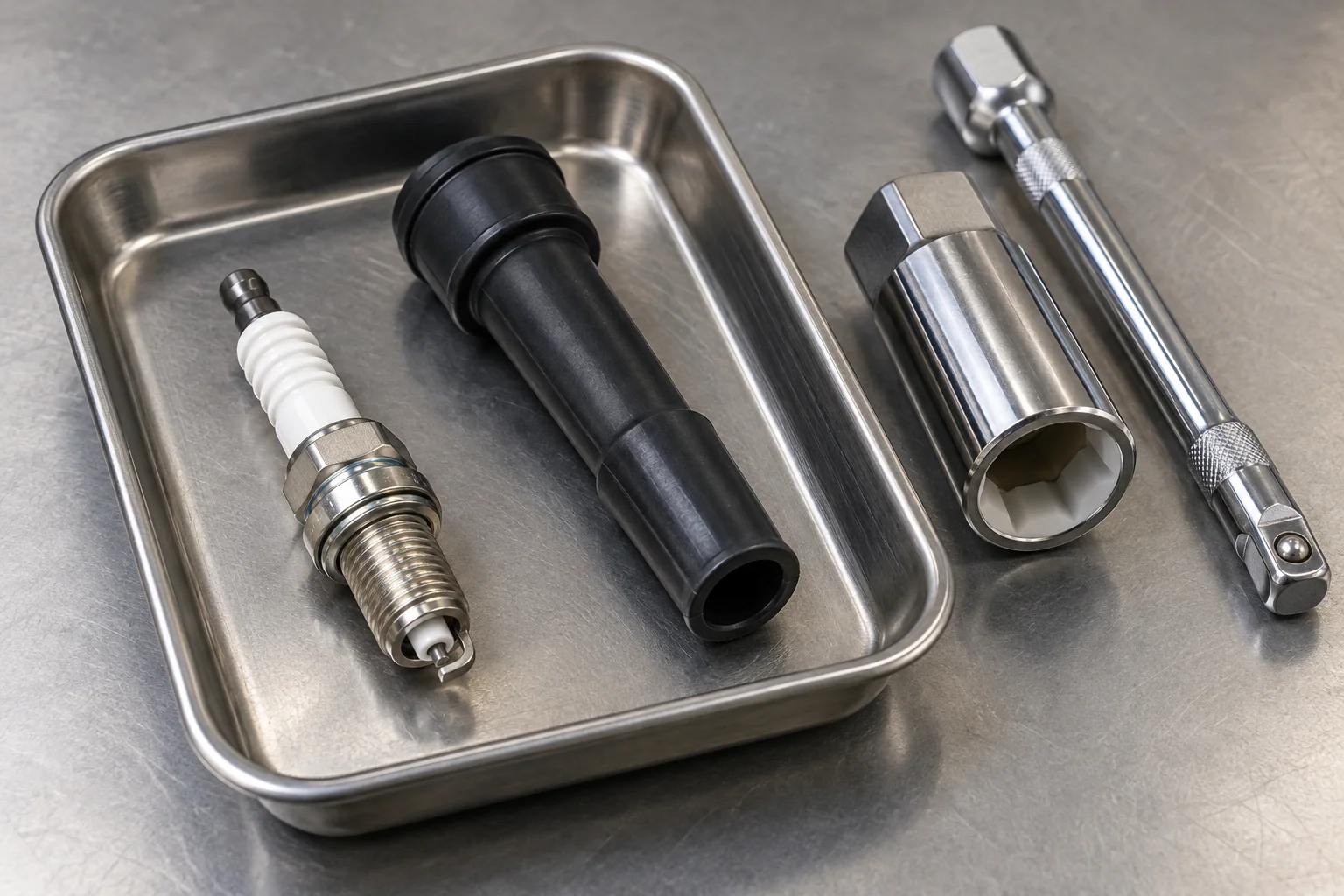
Removal, gap and tightening requirements are application-specific. If a plug is stuck, broken or suspected of damaging its threads, get an appropriate repair assessment rather than forcing it or substituting an improvised tool.
What should be checked after replacement?
Confirm the correct part, installation and ignition connections, then verify the original symptom. If a plug was fouled, ask whether the cause was corrected so the new plug does not develop the same problem.
Keep the cylinder findings and service details. New plugs can address confirmed wear, but they do not automatically repair every misfire.
Sources & further reading
- Niterra / NGK — How do I "read" a spark plug? - NGK Spark Plugs
- Niterra / NGK — Understanding Spark Plug Heat Range - NGK Spark Plugs
- Niterra / NGK — Gapping and Indexing - NGK Spark Plugs
- DENSO — How DENSO spark plugs work
Vehicle designs and maintenance requirements vary. Consult the owner’s manual for your exact vehicle and seek a qualified inspection for a specific fault.