Engine
Timing Chain Replacement: Procedure, Costs and Common Mistakes
Published:
Edited and fact-checked by: Jacob Bowen
General information; vehicle-specific diagnosis requires an inspection. How we prepare our guides · This page reserves space for ads. Advertising policy · Privacy choices
The quick answer
Replace a timing chain when diagnosis confirms excessive wear, damage or incorrect mechanical timing that requires chain service. A rattle or correlation code needs investigation; it is not a complete diagnosis. RepairPal's general US replacement estimate is $2,120–$2,764, updated September 3, 2026, before taxes, fees and location differences.
What symptoms need prompt attention?
Abnormal timing-area noise, rough running and camshaft/crankshaft correlation faults deserve prompt diagnosis. A timing drive that jumps or fails can cause serious engine damage on designs with insufficient valve-to-piston clearance.
If a timing failure is suspected after a stall or no-start, do not keep trying to start the engine. Arrange an assessment before assuming that installing a chain will be the only work needed.
What does a stretched timing chain mean?
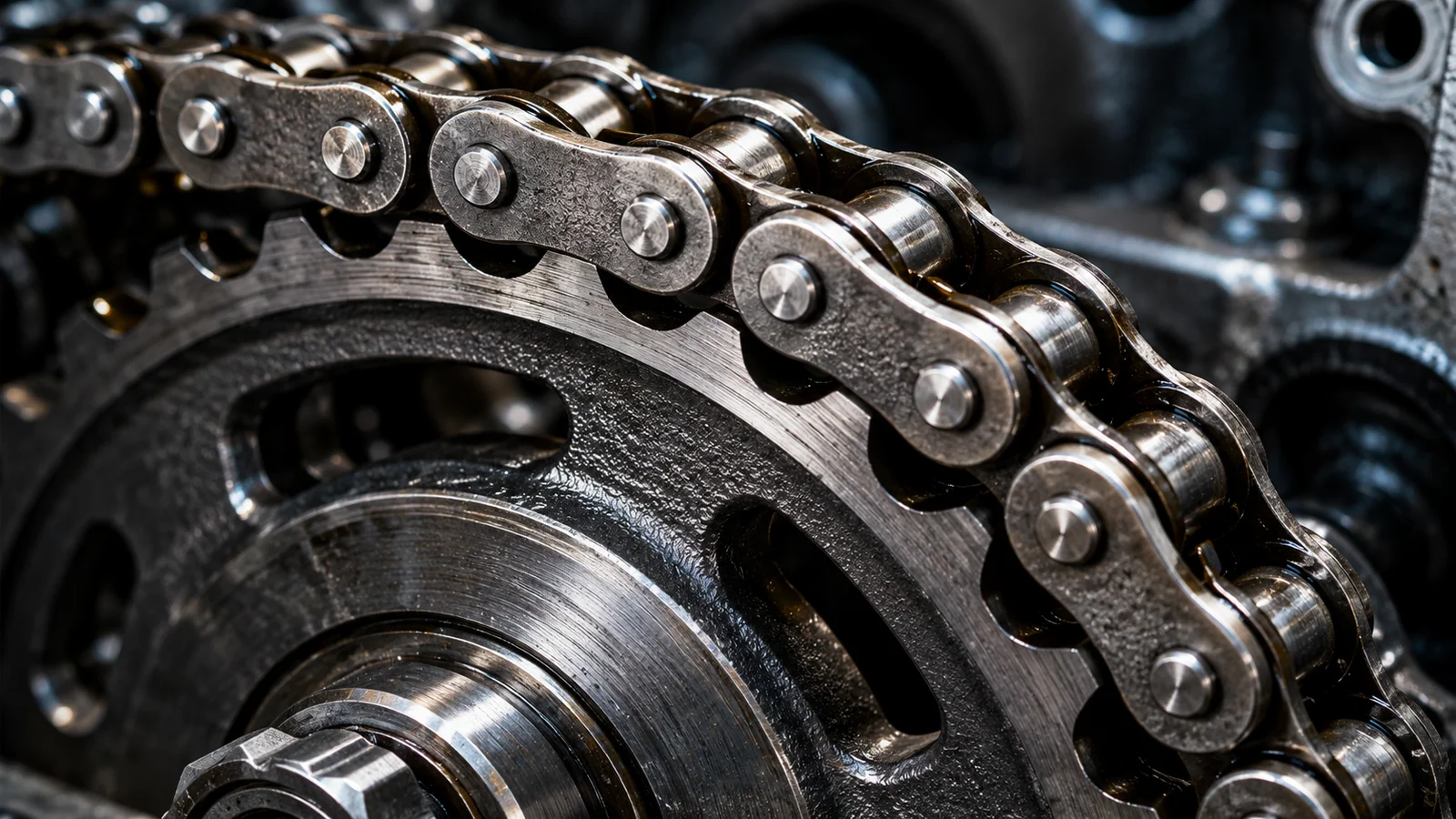
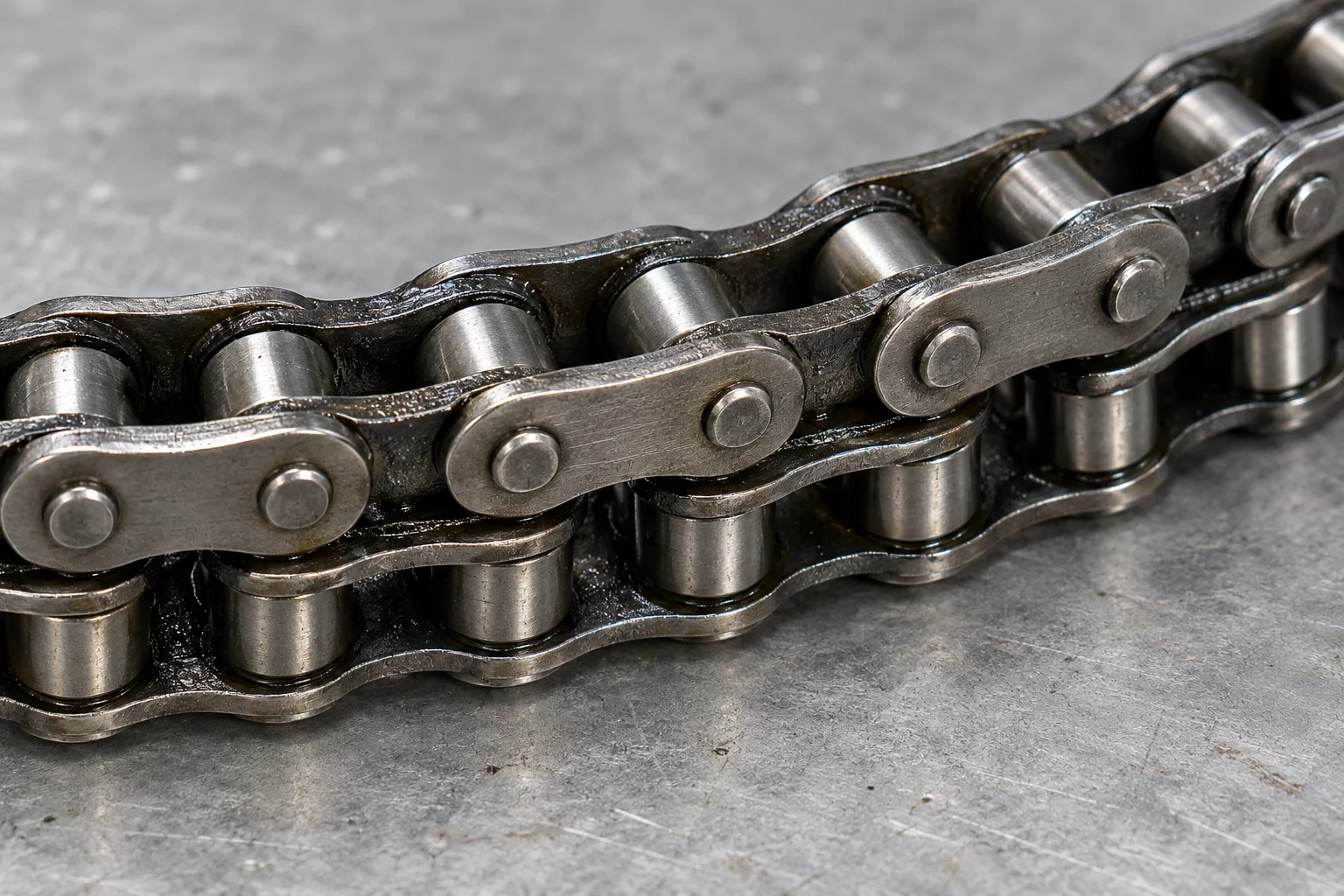
The term commonly describes elongation from wear in the chain's joints. That wear can alter the relationship between crankshaft and camshaft timing.
The chain works with sprockets, guides and tensioners. Many tensioners depend on engine oil pressure, so oil condition, supply and the tensioning system can matter to the diagnosis. Chain wear alone does not prove that the owner neglected maintenance.
What should be checked before the engine is opened?
The shop should use the fault codes and symptoms to plan the tests for that engine. Comparing crankshaft and camshaft signals can help assess timing relationships when the timing marks are not easily accessible.
Ask how the findings distinguish chain wear from a tensioner, oil-supply, variable-valve-timing or signal problem. The applicable service procedure determines the limits and confirmation needed; a correlation code does not supply those details by itself.
Should only the chain be replaced?
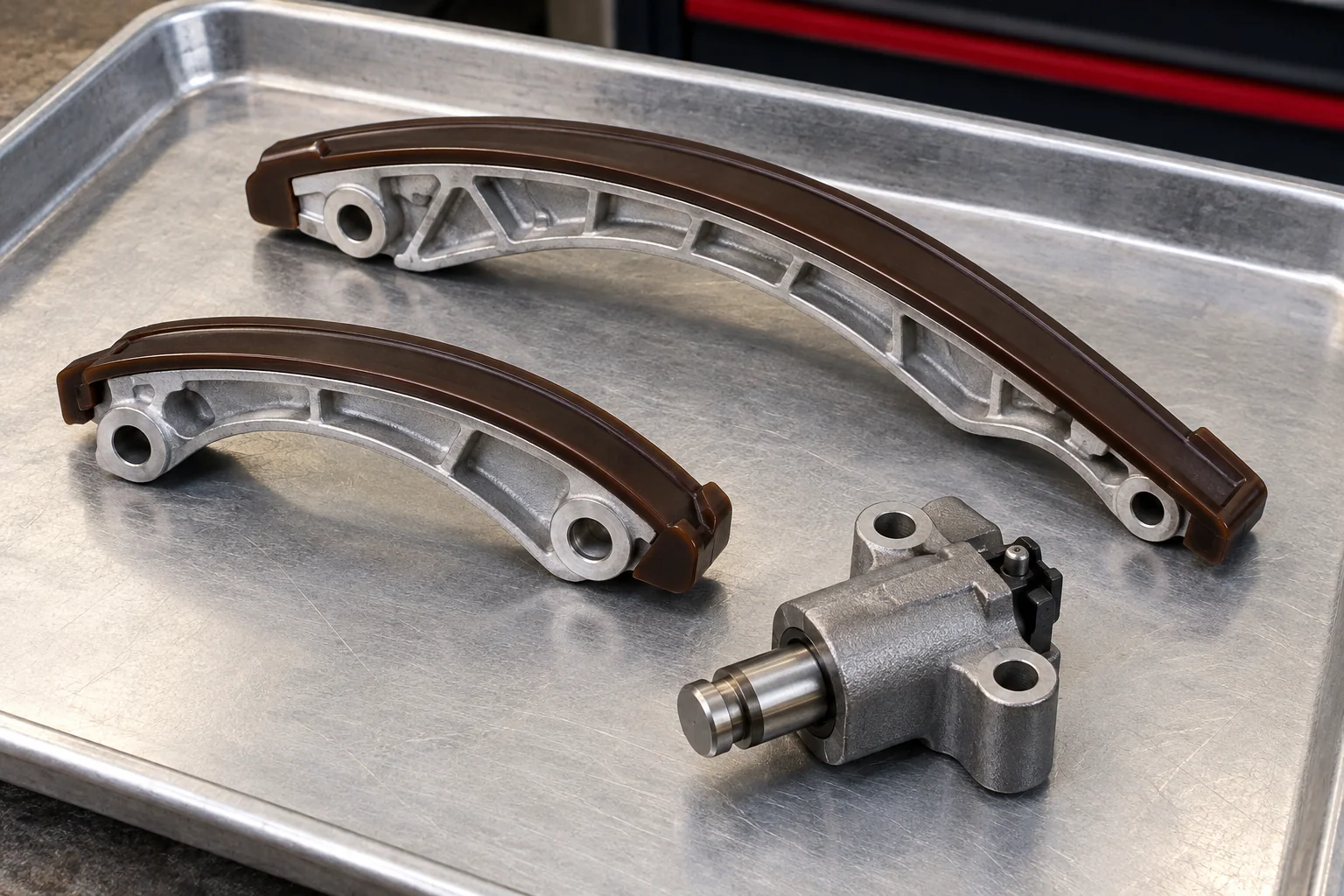
Plan the work as a timing-system repair. The technical references emphasize guides, tensioners and sprocket condition, along with applicable kit and manufacturer requirements. A damaged guide or faulty tensioner should not be left behind to compromise the new chain.
Related variable-valve-timing components may need inspection, but they are not automatic replacements on every engine. Ask which items are required by the procedure, which failed inspection and which are optional recommendations.
Correct timing alignment, holding tools, sealing and tightening are engine-specific. A general overview cannot replace that installation procedure.
What changes the cost of timing chain replacement?
RepairPal's September 3, 2026 estimate separates $1,334–$1,957 labor from $786–$807 parts. Required access work can make labor a major part of the quote.
Confirm the chains, guides, tensioners, required seals and hardware included. A tensioner-only or timing-cover repair is a different scope. Get a quote for the exact year and engine, and ask how the price changes if inspection reveals additional engine damage.
What should be checked after installation?
The technician should complete the manufacturer's timing checks and verify engine operation and the original complaint. Address any demonstrated oil-supply or related fault and follow the specified oil and maintenance requirements.
Do not import a timing-belt replacement interval into a chain-equipped engine. Use the vehicle's maintenance and diagnostic guidance rather than a universal mileage claim.
Sources & further reading
- Underhood Service — Plastic Timing Chain Guides
- Underhood Service — Timing Chain Service
- AA1Car / Larry Carley — Timing Chains, Gears & Belts
- RepairPal — Timing Chain Replacement Cost Estimate
Vehicle designs and maintenance requirements vary. Consult the owner’s manual for your exact vehicle and seek a qualified inspection for a specific fault.