Brakes
Car Shakes When Braking: Causes and Diagnostic Steps
Published:
Edited and fact-checked by: Jacob Bowen
General information; vehicle-specific diagnosis requires an inspection. How we prepare our guides · This page reserves space for ads. Advertising policy · Privacy choices
The quick answer
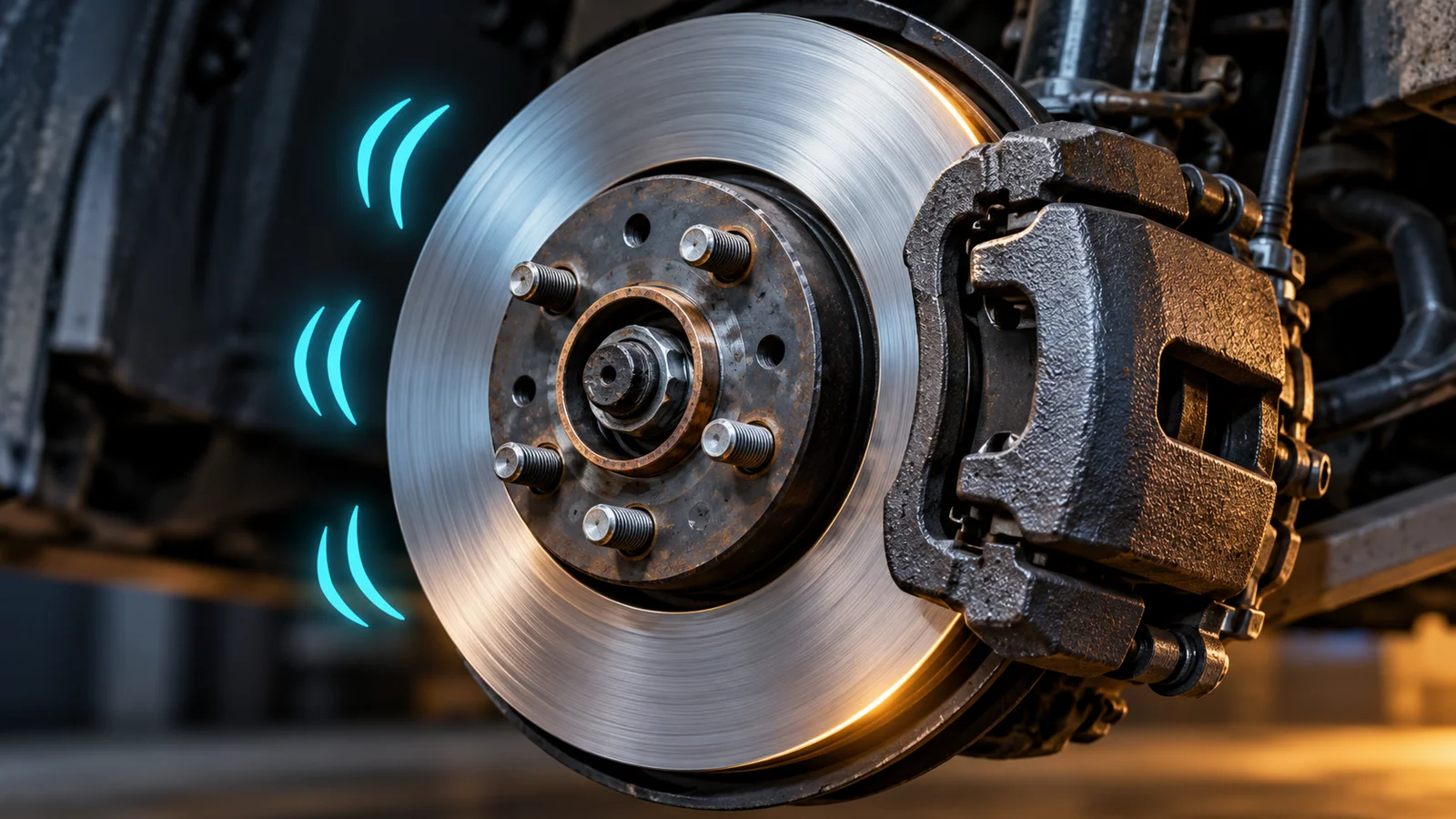
Shaking during braking can come from uneven brake-disc surfaces or problems elsewhere in the brake, wheel or suspension system. The symptom needs an inspection; it does not tell you which parts to replace. Ask for disc measurements and checks of the mounting surfaces and surrounding components. If braking is reduced, the pedal sinks, or the shake makes the car difficult to control, stop safely and arrange assistance.
Does the car shake only when you brake?
Tell the shop whether the vibration is in the pedal, steering wheel, seat or several places. Note whether it starts with light braking, after the brakes warm up, or at a particular road speed. Do not make repeated hard stops to test a worsening problem.
If the car also shakes while cruising without braking, include that detail. It gives the technician a reason to investigate tire, wheel and other speed-related causes rather than treating every vibration as a brake-disc fault.
What are disc thickness variation and runout?
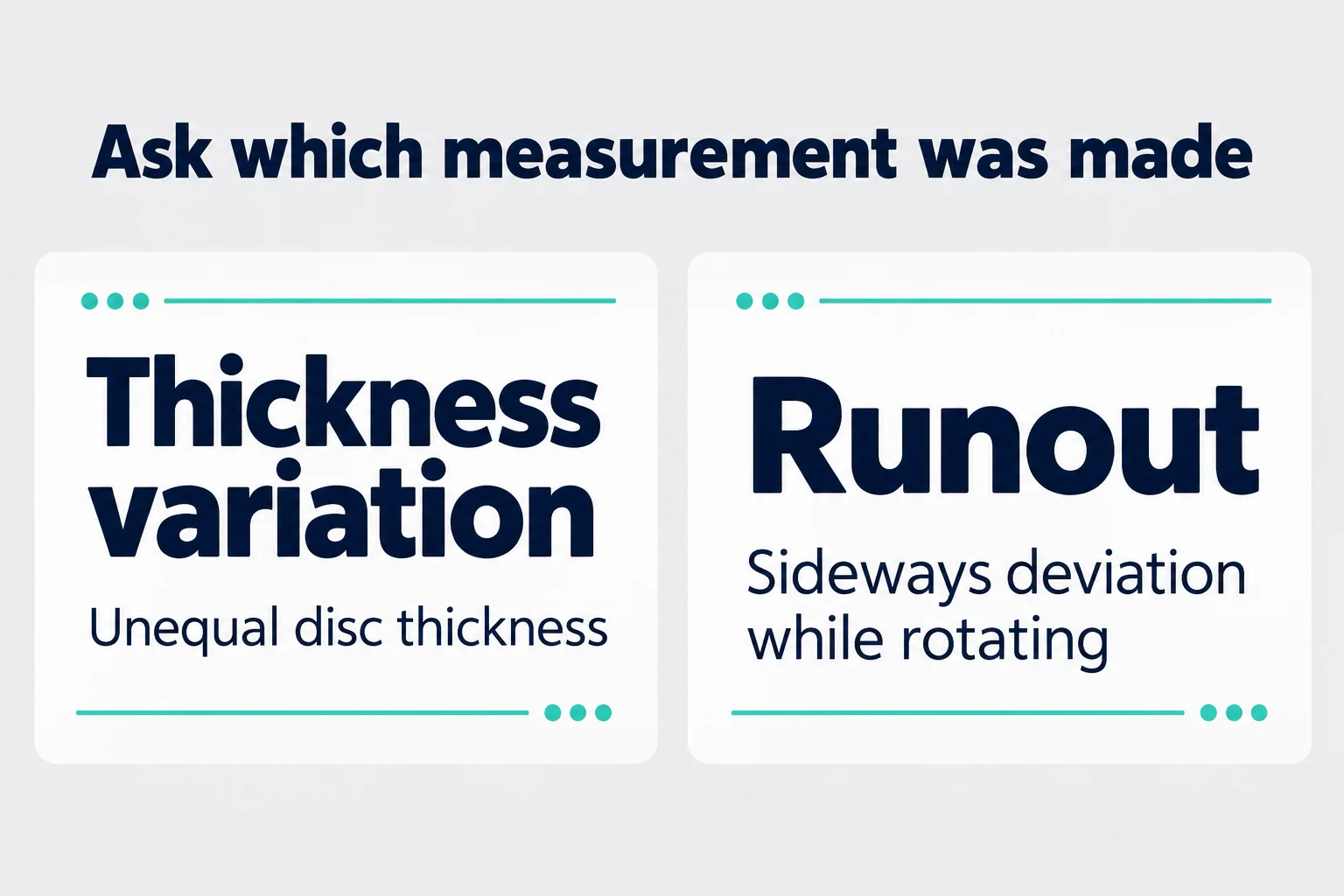
Thickness variation means the disc is not equally thick around its braking surface. HELLA describes measuring multiple points with a suitable micrometer and comparing the readings. That is a measurement, not a conclusion drawn from the driver's description.
Runout describes sideways movement as the disc rotates. The mounted disc and its hub need appropriate checks because dirt, corrosion or a mounting problem can affect how the assembly runs. The limits and measuring method must match the vehicle.
Calling a disc warped does not explain which condition was found. Ask whether the recommendation is based on thickness, thickness variation, runout, surface damage or another observed problem.
Why inspect more than the rotors and pads?
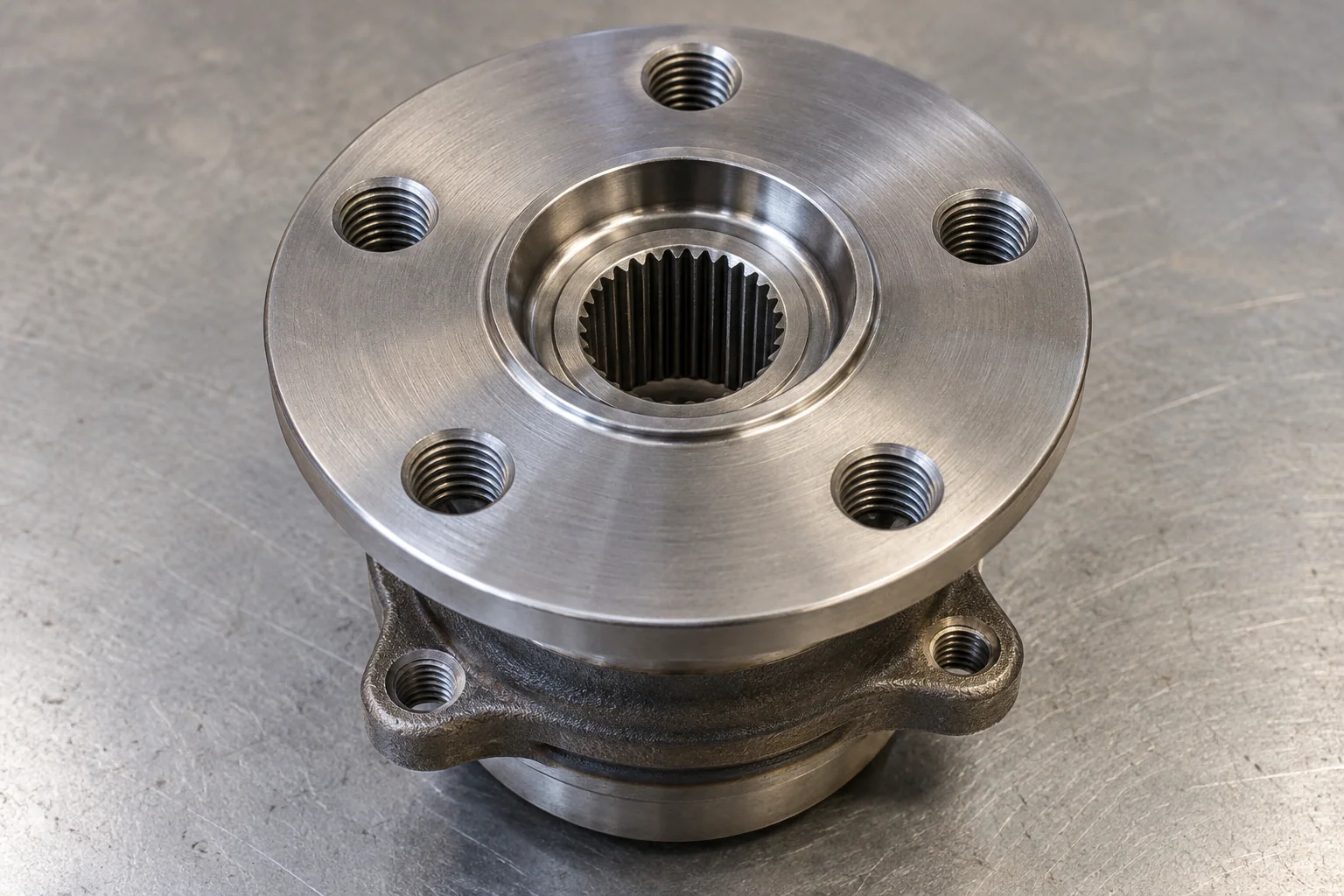
Disc and pad operation depends on the surrounding system. The inspection should consider caliper movement, wheel-bearing condition, steering and suspension play, hub condition and wheel fastening as appropriate to the vehicle.
A new disc fitted onto a contaminated or faulty mounting surface can leave a problem unresolved. Brembo's maintenance guidance emphasizes checking the complete assembly and using the correct wheel-tightening sequence and torque.
Can the rotors be resurfaced instead of replaced?
That decision depends on the measured condition, permitted service limits and applicable repair instructions. Ask the shop to explain the proposed correction and whether the finished disc would meet the requirements for return to service.
Do not assume every vibration requires new rotors, or that every rotor can safely be machined. The estimate should identify the axle, included components and any underlying mounting or caliper work.
How should the shop verify the result?
Once the brakes are safe, the shop should check operation under the conditions associated with your complaint. Follow the bedding instructions for the fitted parts rather than inventing a series of aggressive stops.
Keep the findings and measurements with the repair order. If the vibration returns, that record helps establish whether the original condition recurred or a different problem has developed.
Sources & further reading
- HELLA — Checking the brakes
- HELLA — Testing the thickness difference of a brake disc
- MOTOR — Let the Chips Fly: On-Car & Off-Car Brake Rotor Service
- Brembo — Noises and vibrations
Vehicle designs and maintenance requirements vary. Consult the owner’s manual for your exact vehicle and seek a qualified inspection for a specific fault.