Drivetrain
Differential Fluid Change: Procedure, Costs and Fluid Selection
Published:
Edited and fact-checked by: Jacob Bowen
General information; vehicle-specific diagnosis requires an inspection. How we prepare our guides · This page reserves space for ads. Advertising policy · Privacy choices
The quick answer
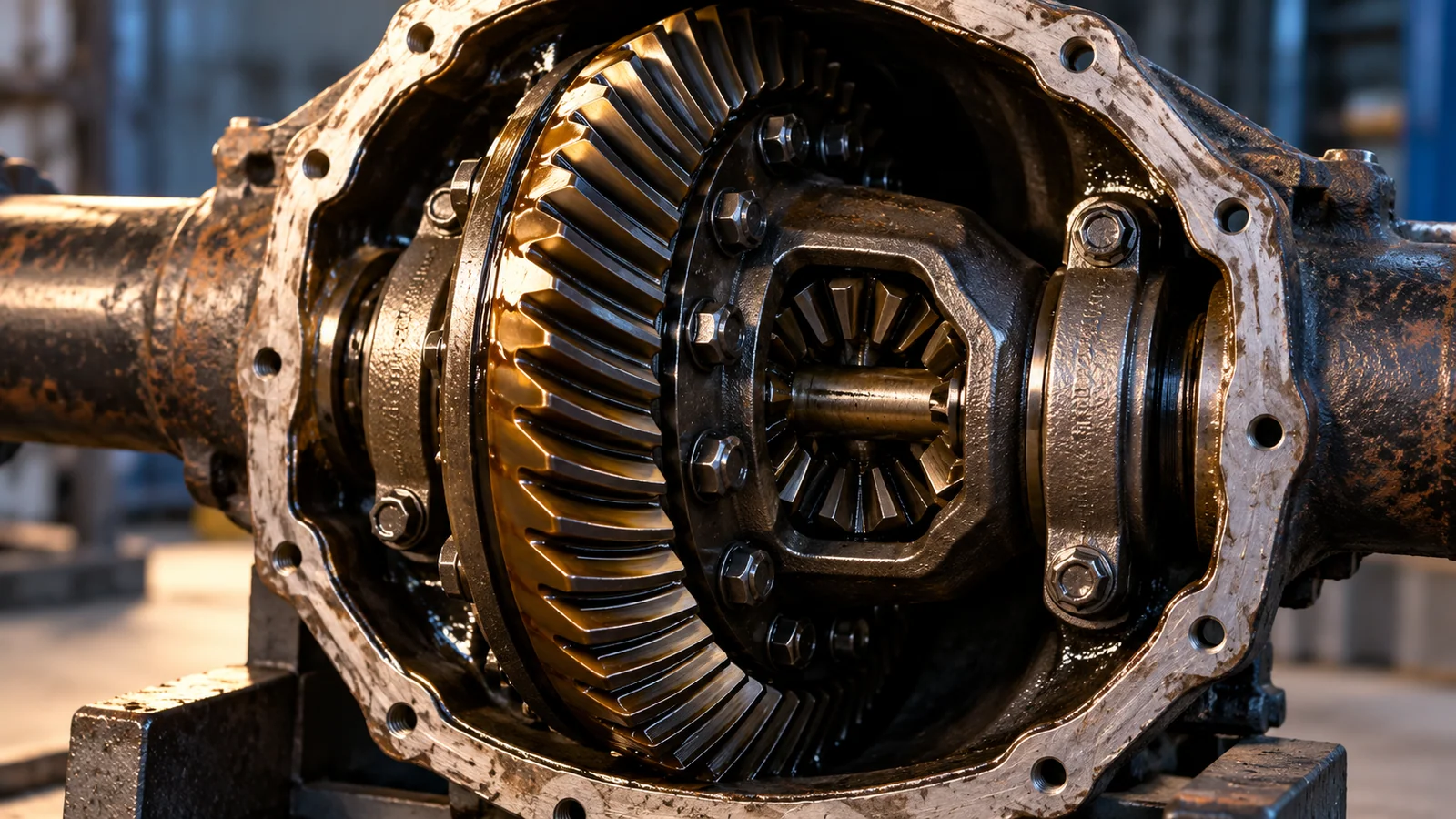
Change differential fluid according to the schedule and lubricant specification for the exact axle or drive unit. Check normal versus severe-use requirements, especially if you tow or haul. Front and rear units may need different fluids or procedures; a general mileage range or a bottle labeled gear oil is not enough to choose the service.
How do you choose the right differential fluid?
Confirm the vehicle, axle or drive-unit identification, required viscosity and lubricant specification in the service information. AMSOIL's technical explanation distinguishes oil viscosity from its performance specification; both matter.
A hypoid gear set needs lubricant suited to its loaded sliding gear contact. That does not establish the fluid for every AWD rear unit or every front differential. A Honda, Subaru or Toyota model name alone is not a complete fluid specification.
How often should differential fluid be changed?
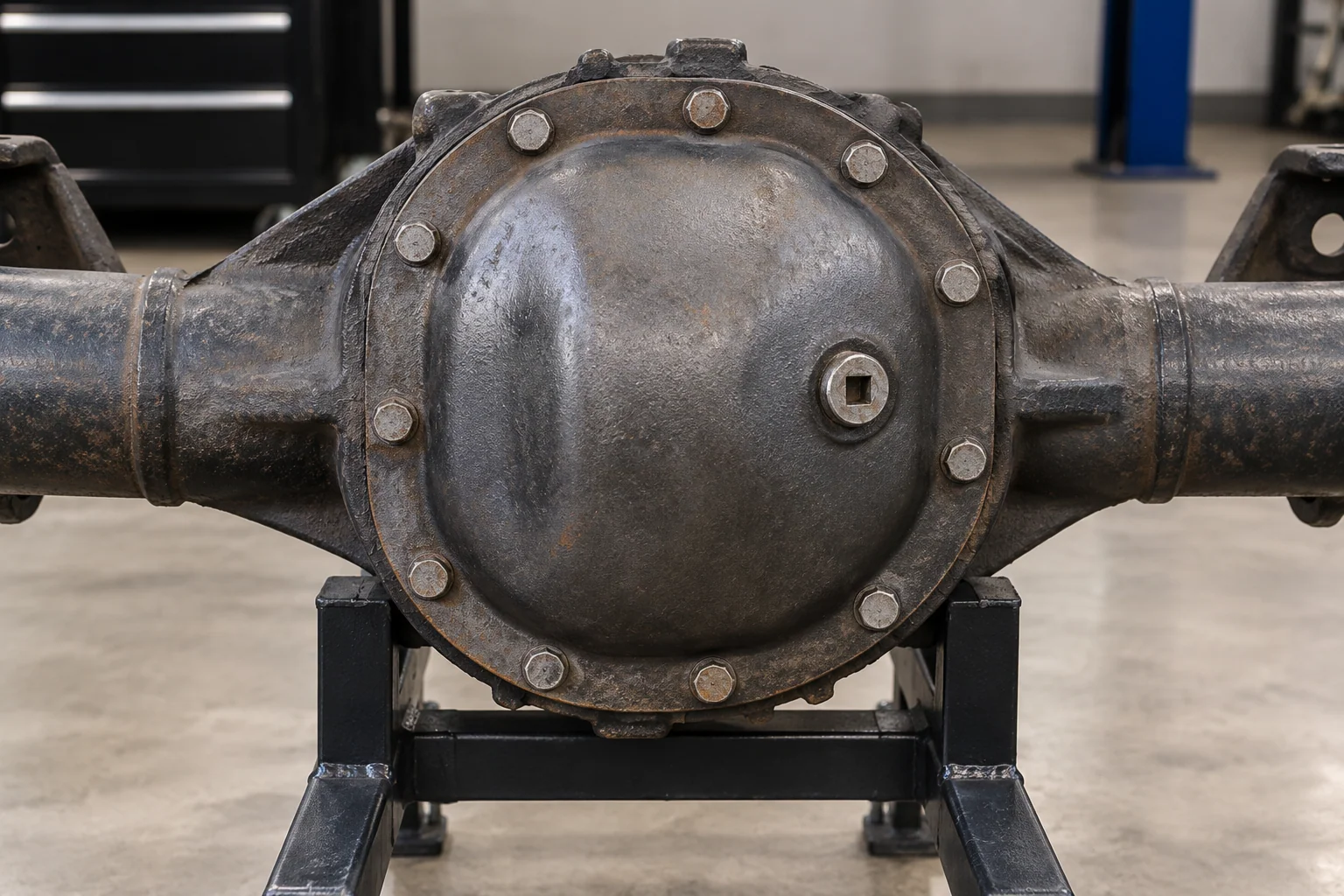
Use the vehicle manufacturer's applicable maintenance schedule. Towing, heavy hauling and other severe-use conditions can change the required service. Tell the shop how the vehicle is used rather than choosing an interval from a different truck.
If the service history is unknown, establish the required fluid and schedule before deciding what is due. Do not assume that a long advertised lubricant life overrides the vehicle's requirements.
Does a limited-slip differential need an additive?
Some designs specify a friction modifier, but it is not an automatic addition for every differential. Confirm the unit's requirements and whether the selected fluid already meets them before adding anything.
More additive is not a substitute for diagnosing chatter or another driveline symptom. Ask which specification and procedure support the recommendation.
What should a differential fluid service include?
The shop should use the correct draining or access method, inspect the unit for leakage and relevant contamination, and refill it using the specified level-setting procedure and sealing requirements.
Do not copy a fill-hole level rule, capacity or tightening torque from another axle. Even a supplier's maintenance demonstration can cover different equipment: the Spicer example includes commercial drive-axle checks that are not a passenger-car service procedure.
What should the fluid-change quote cover?
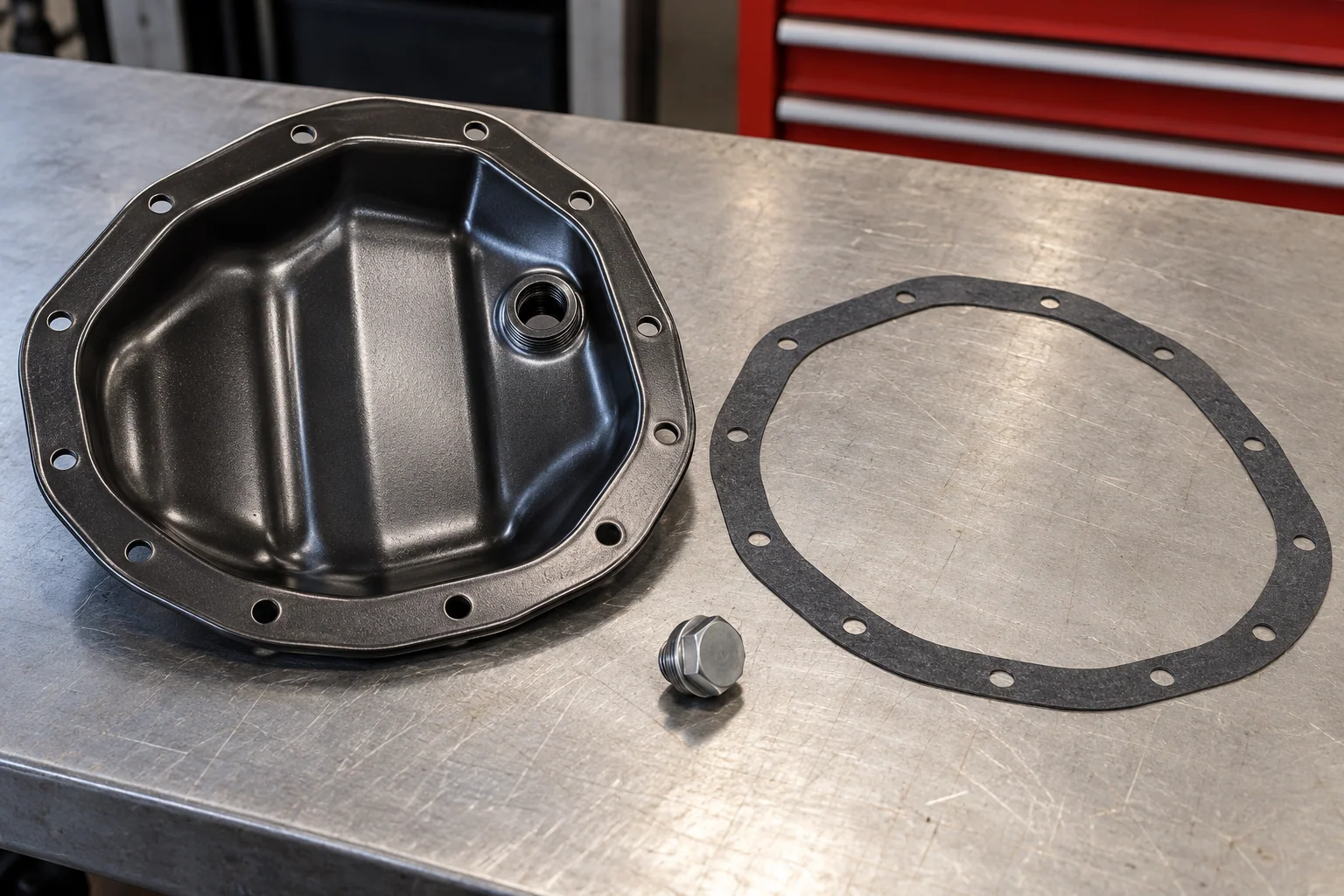
Ask which units are included, the exact fluid, required quantity, sealing parts and labor. A rear-only service is a different scope from front-and-rear service.
If the estimate says flush, ask what method it means and why it is appropriate. The service description should match the unit's instructions rather than using exchange, flush and fluid change as unexplained substitutes.
Will changing fluid fix differential noise?
Do not assume it will. Have leakage, abnormal noise or other symptoms assessed and the findings recorded. After service, verify the level and leak checks required for the unit. Fresh lubricant cannot by itself demonstrate that a mechanical fault was repaired.
Sources & further reading
- AMSOIL — How Often Should I Change Differential Fluid? - AMSOIL Blog
- Dana / Spicer — Driveline Forensics: Drive Axle Maintenance Inspection | Spicer Parts
- AMSOIL — What is Hypoid Gear Oil? (And Other Gear Oil Questions Answered) - AMSOIL Blog
Vehicle designs and maintenance requirements vary. Consult the owner’s manual for your exact vehicle and seek a qualified inspection for a specific fault.