Electrical
U0100: Lost ECM/PCM Communication, Tests and Repairs
Published:
Edited and fact-checked by: Jacob Bowen
General information; vehicle-specific diagnosis requires an inspection. How we prepare our guides · This page reserves space for ads. Advertising policy · Privacy choices
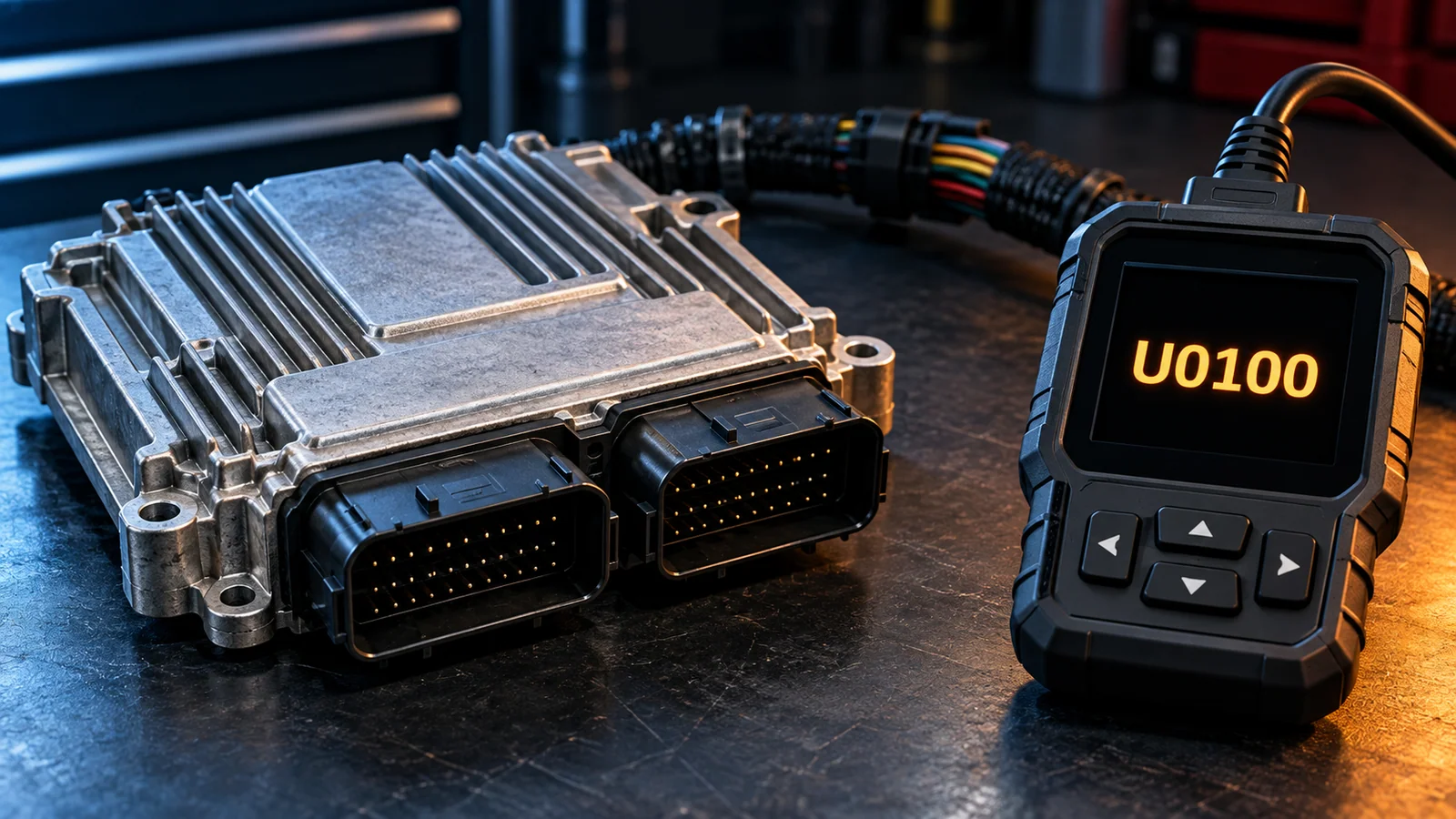
The quick answer
U0100 means communication with the engine or powertrain control module has been lost. It does not, by itself, prove the computer has failed. The shop should identify which modules can communicate and verify the affected module's power, grounds and network path before authorizing replacement.
Why does the reporting module matter?
A network lets control units share information. Pico's CAN example describes wheel-speed data being broadcast to several modules. Losing a message can therefore affect more than one system.
Record which module reported U0100, the complete code and suffix, and whether the fault is current or stored. A suffix such as 00 or 71 needs the vehicle manufacturer's interpretation; it should not be treated as one universal failed component across brands.
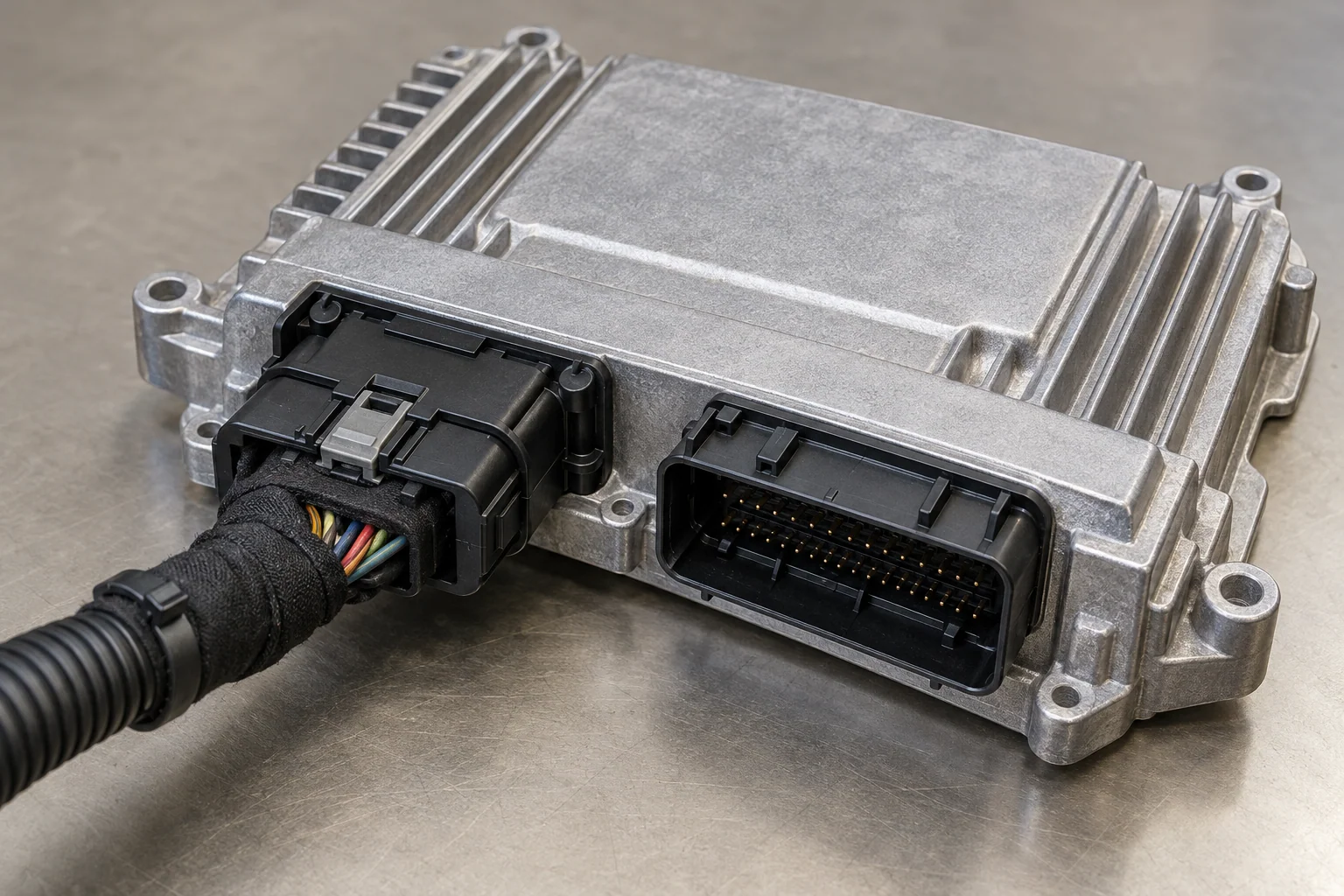
What should be checked before replacing the ECM or PCM?
Check power, grounds and communication before condemning a module. A whole-vehicle scan helps establish what is responding and where communication is missing.
Use the wiring diagram and network layout for the exact vehicle. A technician can inspect the appropriate connections and test the relevant communication circuit with suitable equipment. Do not apply power or ground to an unfamiliar data wire.
Pico's CAN physical-layer test checks the high and low signal lines with an oscilloscope. Its example connection is not proof that every vehicle network can be evaluated at the same connector terminals or with one universal voltage or resistance rule.
Why should you mention recent battery or electrical work?
The timing of the failure can guide inspection. Tell the shop about battery replacement, jump-starting, accessory installation, water exposure or other recent work without assuming that event proves the cause.
For one specific example, Volkswagen Tech Tip 01-19-05TT describes possible ECM damage from the positive battery terminal contacting the ECM case during service on listed vehicles, including 2022–2024 Taos models. It also directs an application-specific fuse check. That is not a diagnosis for a Chevrolet, Toyota or Ford with the same code; it shows why vehicle layout and repair history matter.
What should a verified repair demonstrate?
The repair should restore the missing communication and correct its demonstrated cause. If a module needs replacement, use the required vehicle-specific installation and setup procedure.
Recheck the affected modules and original complaint after repair. A code cleared from one module does not show that the entire network is functioning. Ask for the supporting test results before approving another expensive component.
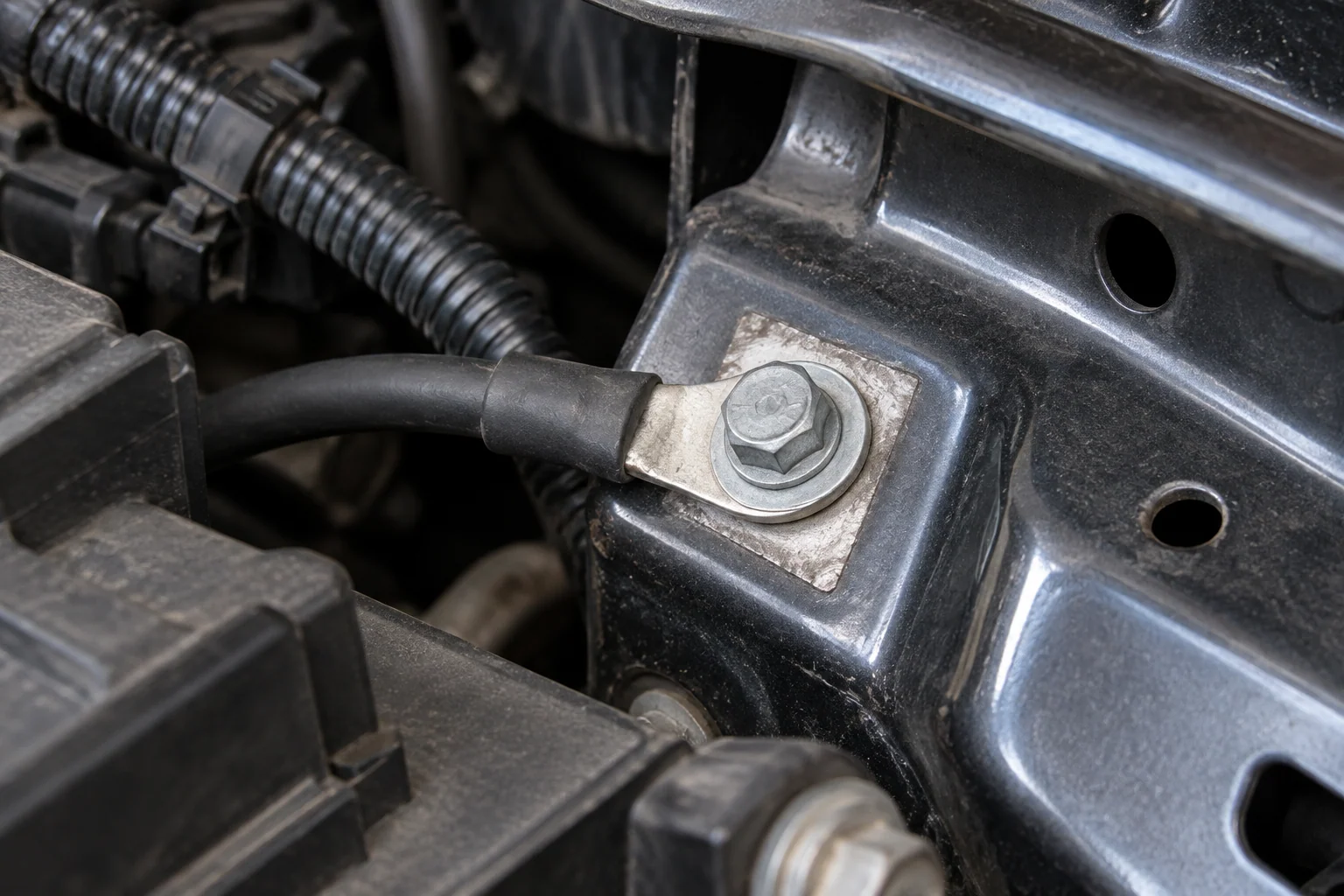
Can you drive with U0100?
That depends on the actual symptoms and warnings, not the code alone. If the engine stalls, will not start or the vehicle cannot operate safely, arrange assistance. Do not continue road testing an intermittent shutdown in traffic to collect more codes.
Sources & further reading
- HELLA — OBD-II network DTC definitions (English)
- Pico Technology — CAN bus physical layer | Automotive oscilloscope test
- MOTOR — Cause & Effect: Module Diagnosis
- Ford Motor Company — 2020–2023 MY Gasoline OBD System Operation Summary
- Volkswagen: specified U0100/no-start after battery-service damage
Vehicle designs and maintenance requirements vary. Consult the owner’s manual for your exact vehicle and seek a qualified inspection for a specific fault.