Cooling
Coolant Flush: Costs, Service Methods and Common Mistakes
Published:
Edited and fact-checked by: Jacob Bowen
General information; vehicle-specific diagnosis requires an inspection. How we prepare our guides · This page reserves space for ads. Advertising policy · Privacy choices
The quick answer
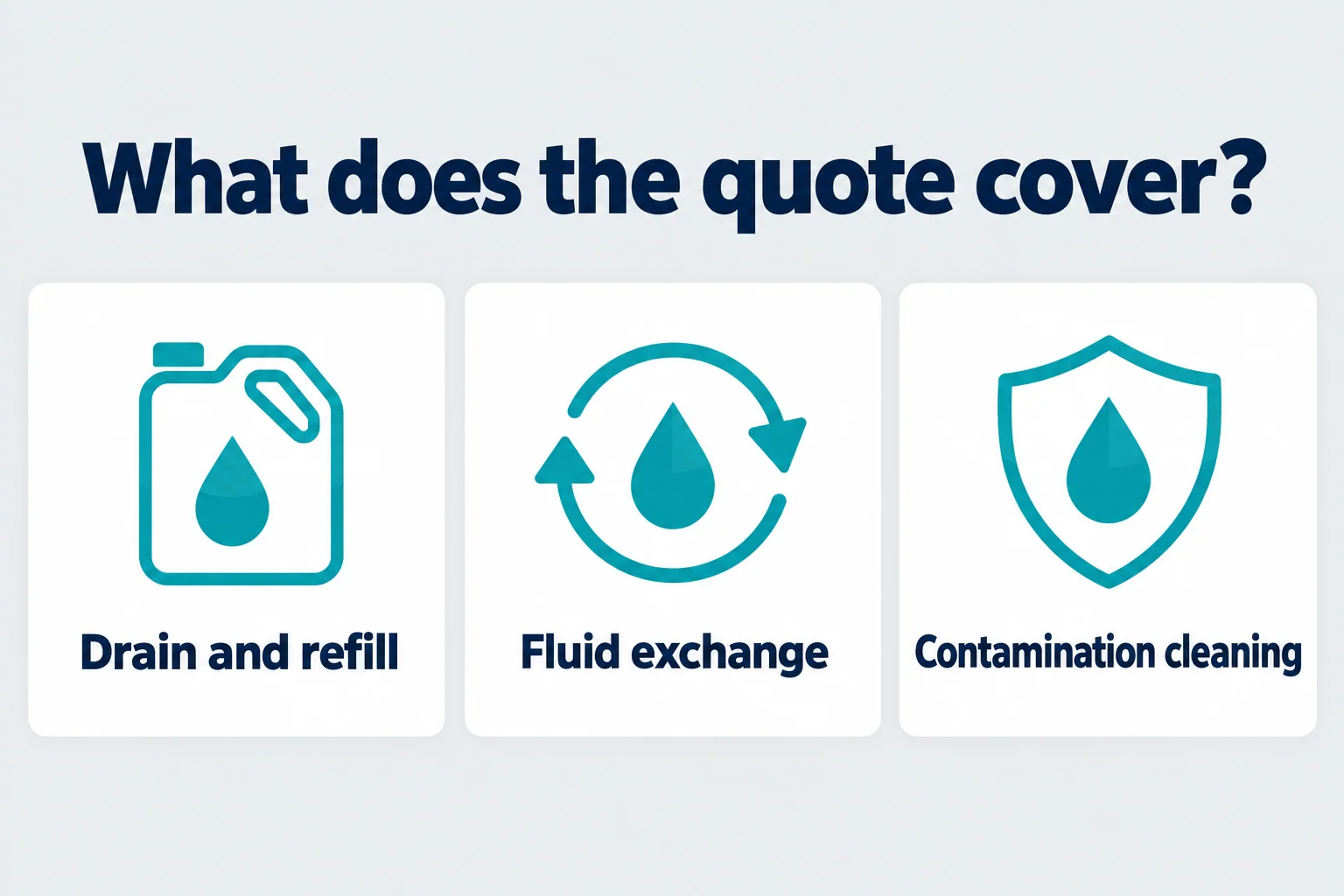
A coolant flush has no single reliable price because shops use the term for different services. Ask whether the quote covers a drain and refill, a fluid exchange, or cleaning a contaminated system. RepairPal's coolant-change estimate is $440–$512, updated September 3, 2026; that is a reference for a coolant change, not a quoted price for every flush.
What should a coolant-service quote include?
Get a quote for your exact vehicle and the method being proposed. Ask which coolant specification will be used, how much labor is included, and whether filling and bleeding follow the manufacturer's procedure. Taxes, local pricing and repairs can change the total.
A leaking coolant pipe, damaged radiator or failing pump is a separate repair. Replacing fluid alone will not correct the leak, and a coolant-change estimate does not price that work. Ask the shop to separate maintenance from repairs on the estimate.
How is a flush different from a drain and refill?
A drain and refill removes coolant through the specified drain points and replaces it. Some old fluid can remain elsewhere in the system. A flush or cleaning procedure may address contamination, but the appropriate method depends on the vehicle and what is in the system.
Ask what the shop means by a flush. Chemical cleaning is not automatically necessary whenever coolant is due. If oil, corrosion, debris or an unsuitable product has contaminated the system, first identify how it got there. Cleaning without correcting the cause can leave the same problem waiting to return.
Which coolant and service interval does your car need?
Use the manufacturer's coolant specification and maintenance schedule for your engine. Color alone does not establish that two coolants are compatible. Confirm whether the product is ready to use or needs dilution, and follow the specified water quality and mixing instructions.
There is no universal flush interval for every BMW, Toyota or other vehicle. If the service history is unknown, check the maintenance information and assess the existing fluid and system condition before choosing the work.
What mistakes can cause trouble after coolant service?
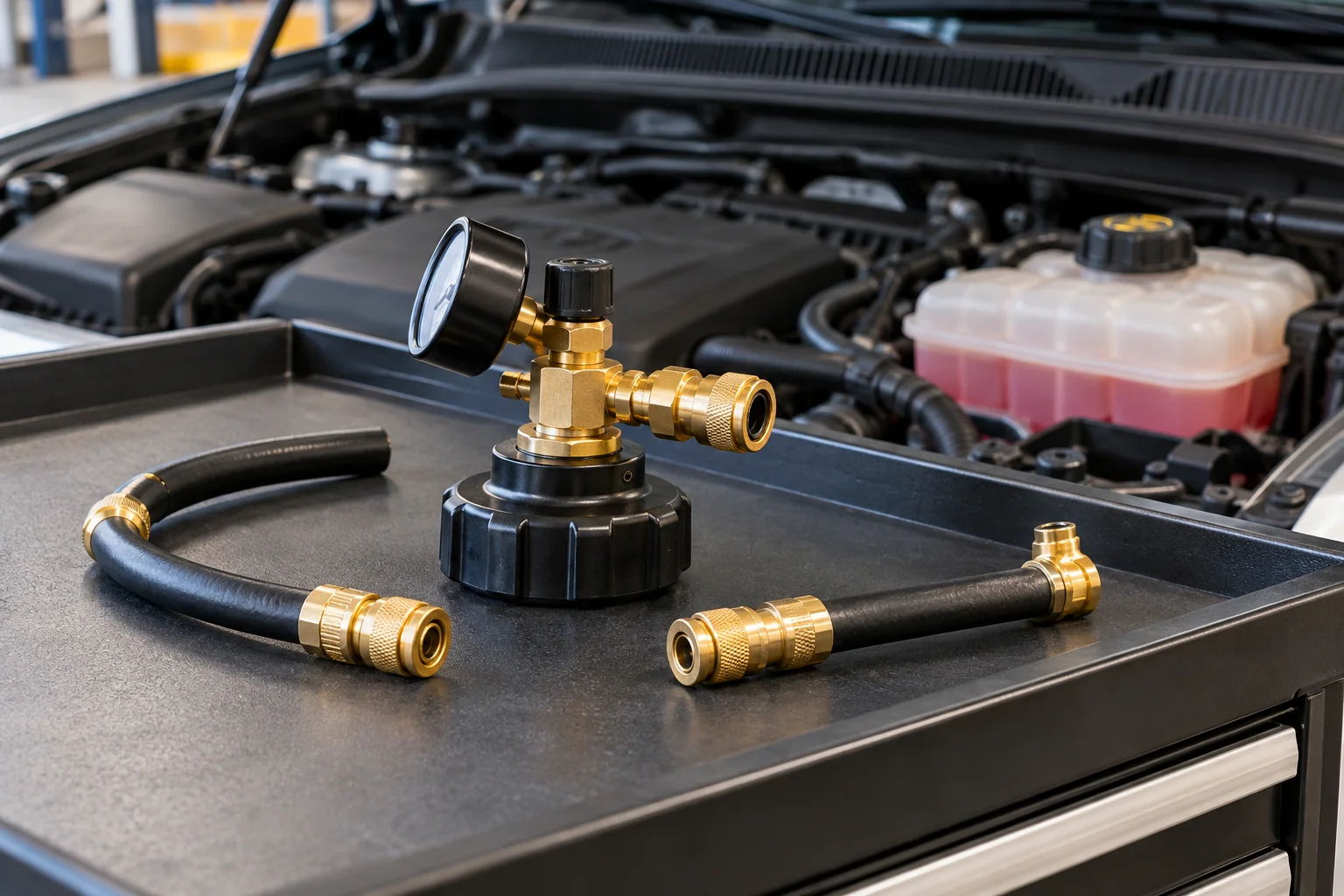
Trapped air can interfere with circulation and contribute to overheating. Some systems need a particular bleeding sequence, service-tool routine or vacuum-filling method. Simply topping up the reservoir is not proof that the system is filled correctly.
After service, the shop should check for leaks, correct operation and the specified coolant level under the required conditions. If the car was overheating beforehand, ask what testing established the cause and what confirms that the repair worked. A flush is not a diagnosis.
Never open a hot cooling-system cap. Let the system cool before checking it, follow the owner's instructions, and stop driving if an overheating warning appears. Keep drained coolant contained and arrange proper disposal.
Sources & further reading
- HELLA — Refilling coolant - coolant table
- MOTOR — Cooling System Service Update
- HELLA — Rinsing and ventilating cooling system - instructions
- RepairPal — Coolant Change Cost Estimate
Vehicle designs and maintenance requirements vary. Consult the owner’s manual for your exact vehicle and seek a qualified inspection for a specific fault.