Engine
Engine Oil Consumption: Symptoms, Diagnosis and Repair Options
Published:
Edited and fact-checked by: Jacob Bowen
General information; vehicle-specific diagnosis requires an inspection. How we prepare our guides · This page reserves space for ads. Advertising policy · Privacy choices
The quick answer
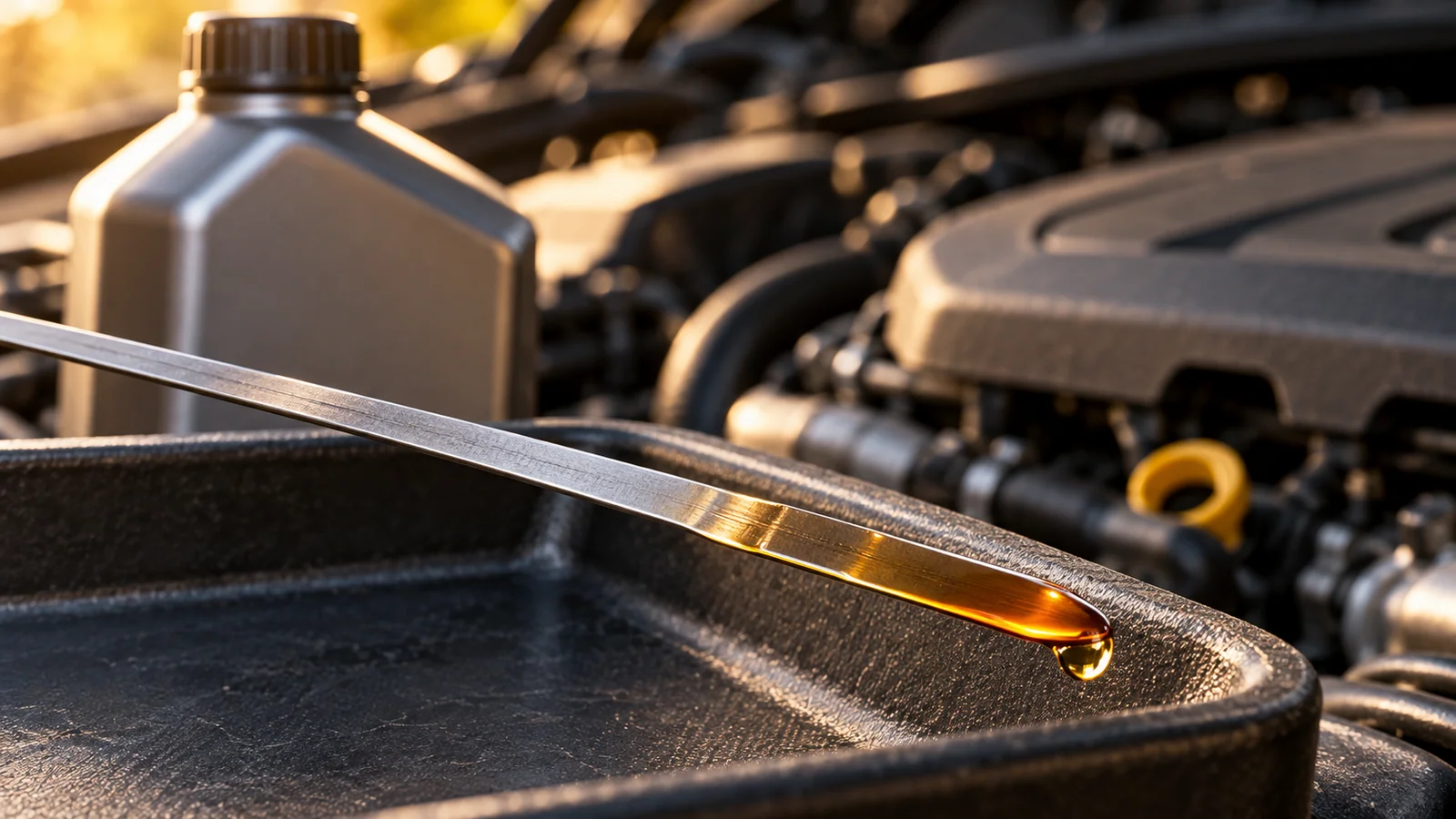
If your car keeps needing engine oil, first establish how much it loses and whether that oil is leaking outside the engine or being burned inside it. Record the mileage and top-ups, check the level correctly and arrange diagnosis. A falling level alone does not establish that the engine needs rebuilding.
How do you measure oil consumption accurately?
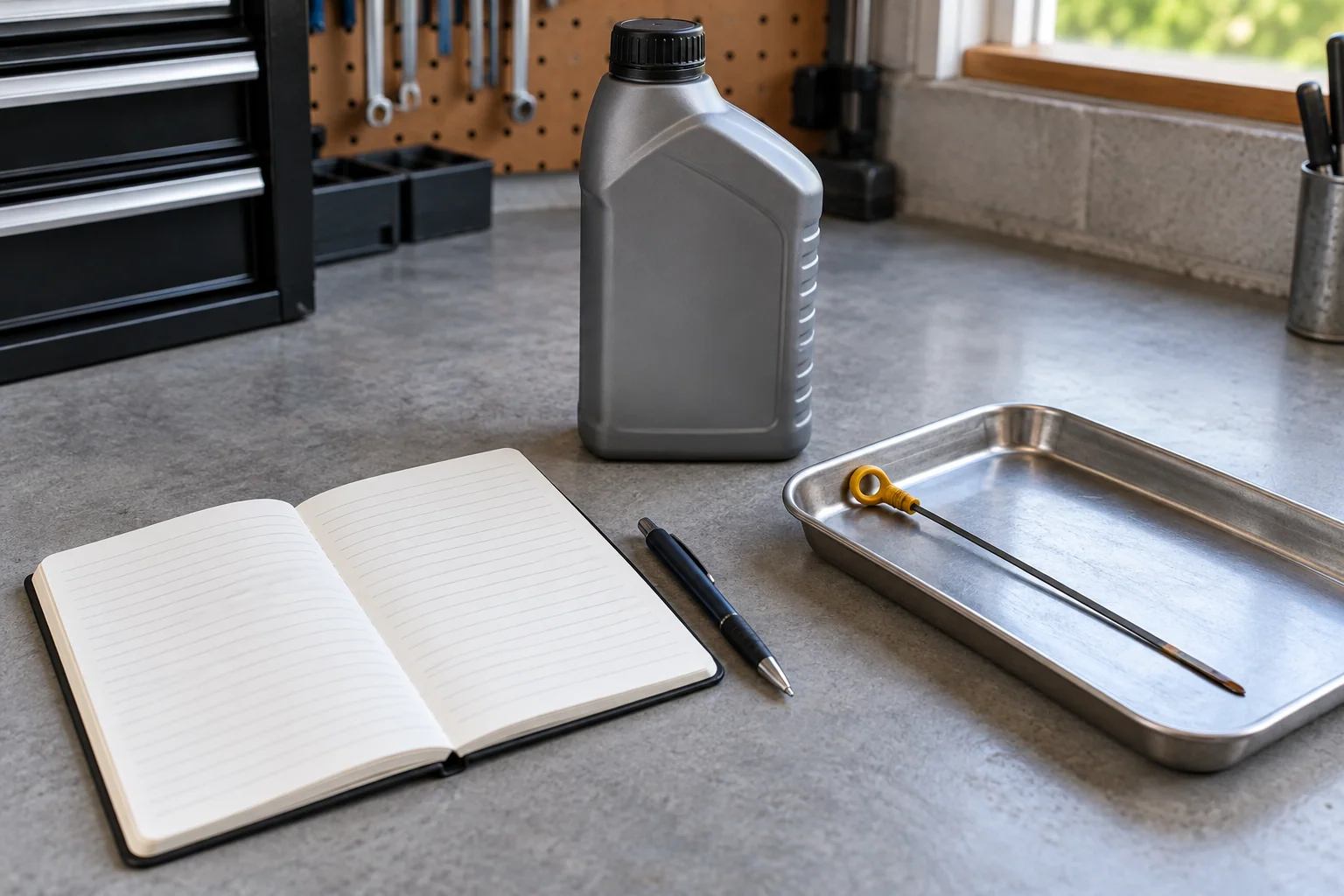
Use the checking method in your owner’s manual consistently. Record the starting mileage, oil level and exact amount added at each top-up. Keep the level within the specified range throughout the test rather than letting it run low to complete a mileage target.
For example, the 2025 Mazda CX-5 manual specifies a level surface and a wait of at least five minutes after switching off a normally warmed engine before reading the dipstick. That is a model-specific routine, not an instruction to warm an engine displaying an oil-pressure warning. Follow your own manual’s procedure and oil specification.
Ask the shop which manufacturer consumption-test procedure and limit apply to your engine. A general claim that a certain amount is ‘normal’ is not a substitute for that information.
Is the engine burning oil or leaking it?
Oil consumption means oil enters the combustion process; an external leak lets it escape from the engine. A technician should inspect for leaks before assuming internal wear. Oil on the outside of the engine needs its own investigation, even if you also notice exhaust smoke.
Valve-stem seals, valve guides and piston-ring problems can allow oil into places it should not be. Identifying the route matters because these repairs involve different work. A dark dipstick or a vague description of ‘burnt oil’ does not tell you which component has failed.
Why should ventilation, the turbo and the intake be checked?
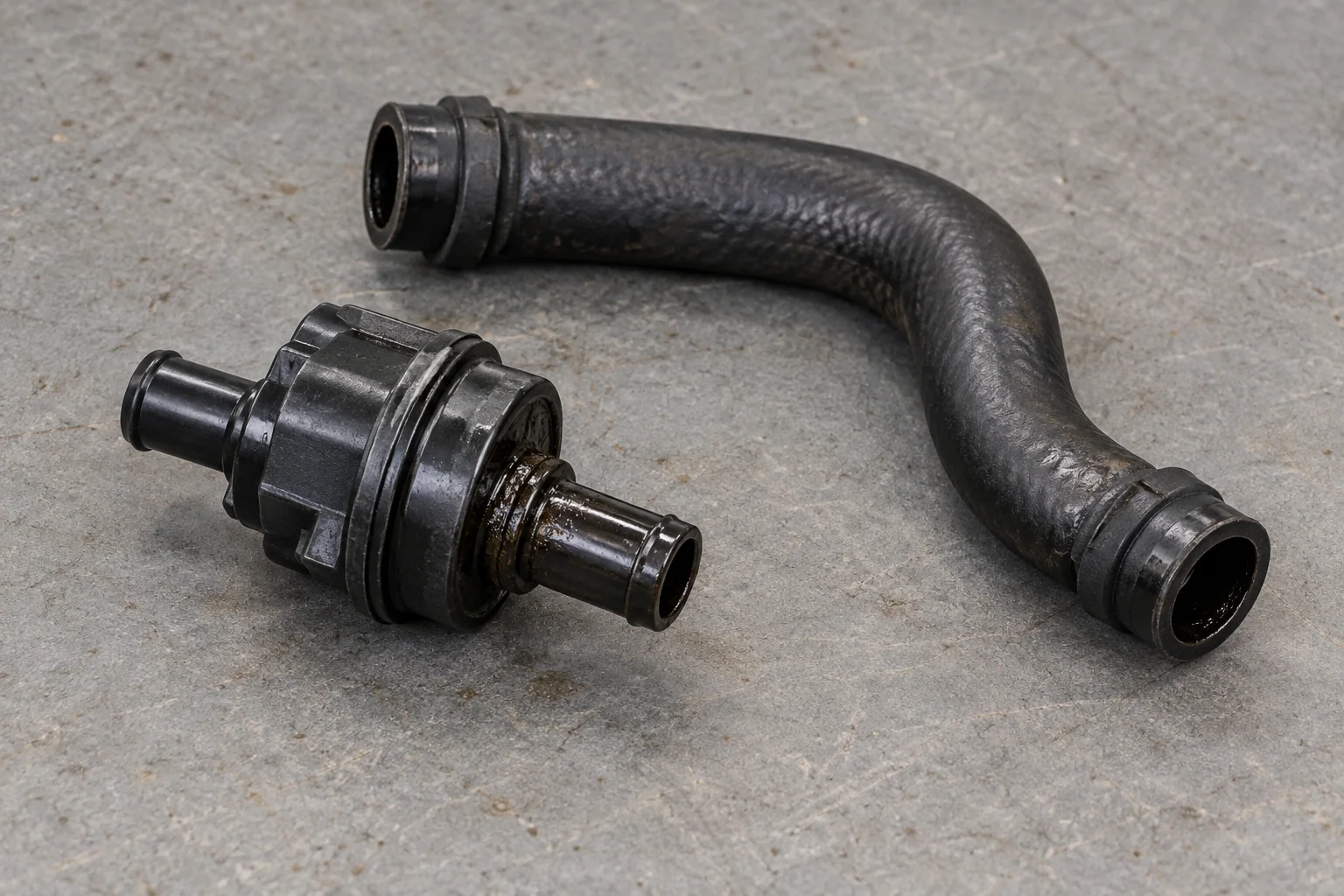
Motorservice explains that a turbocharger can leak oil when its return line is restricted, the oil level is too high or crankcase pressure is excessive. A ventilation fault or engine wear can create that pressure. Replacing the turbo without checking these conditions may leave the cause unresolved.
The intake and air filter also deserve attention. Leaks that admit unfiltered air, a poorly seated element or a damaged filter can expose the engine to abrasive dirt. This can wear cylinder surfaces and rings. Correcting an intake fault prevents further exposure, but does not automatically reverse wear already present.
What repairs can actually reduce oil consumption?
The repair should match the confirmed cause: an external leak, ventilation fault, turbo oil-drain problem or internal sealing defect. Ask what evidence supports the recommendation and how the shop will check consumption afterward.
Major engine work requires an explanation of the affected components and their condition. Do not assume that an additive, thicker oil or a cleaning treatment can repair damaged parts. Obtain an itemized diagnosis and repair proposal before deciding.
When does oil loss need urgent attention?
Stop safely and shut the engine off if an oil-pressure warning appears. A top-up record is useful for diagnosis, but it does not make a pressure warning safe to ignore. Have rapid oil loss or oil reaching hot engine components assessed promptly.
Sources & further reading
- Motorservice / Pierburg — Oil consumption caused by leaking intake systems and defective air filtering
- Motorservice / Pierburg — Oil consumption caused by unfavourable operating conditions for turbocharger
- MOTOR — Dealing With Oil Consumption Issues
- Motorservice: oil consumption and oil loss
- Mazda: 2025 CX-5 engine-oil checks
- Mazda: 2025 CX-5 warning indications
Vehicle designs and maintenance requirements vary. Consult the owner’s manual for your exact vehicle and seek a qualified inspection for a specific fault.