Exhaust
P0430: Causes, Diagnostic Tests and Repair Options
Published:
Edited and fact-checked by: Jacob Bowen
General information; vehicle-specific diagnosis requires an inspection. How we prepare our guides · This page reserves space for ads. Advertising policy · Privacy choices
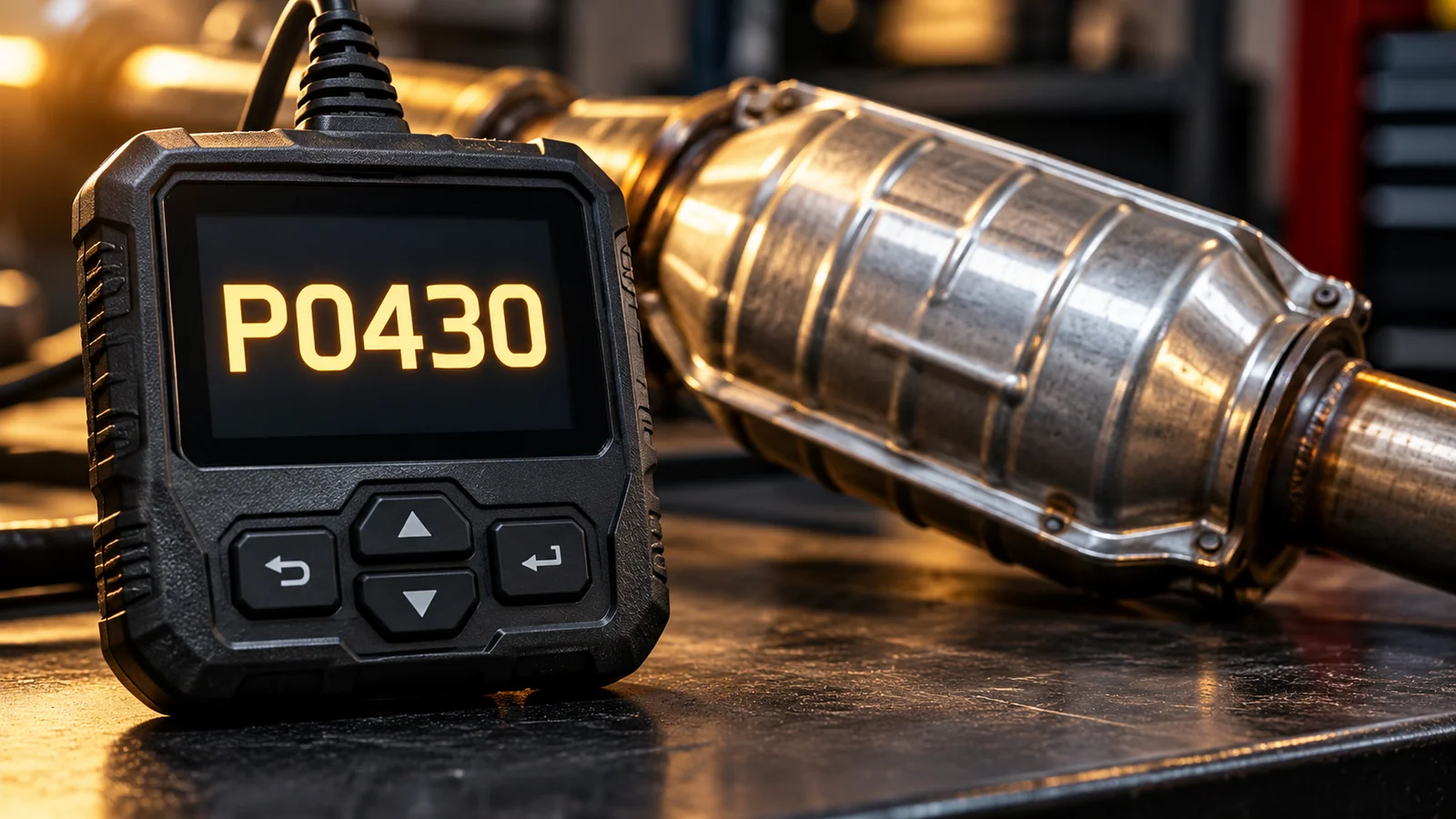
The quick answer
P0430 means the engine computer detected catalyst efficiency below its threshold on bank 2. It does not establish a blocked converter or a failed oxygen sensor. Before approving parts, have the shop check the relevant engine faults, exhaust leaks, sensor operation and vehicle-specific diagnostic guidance.
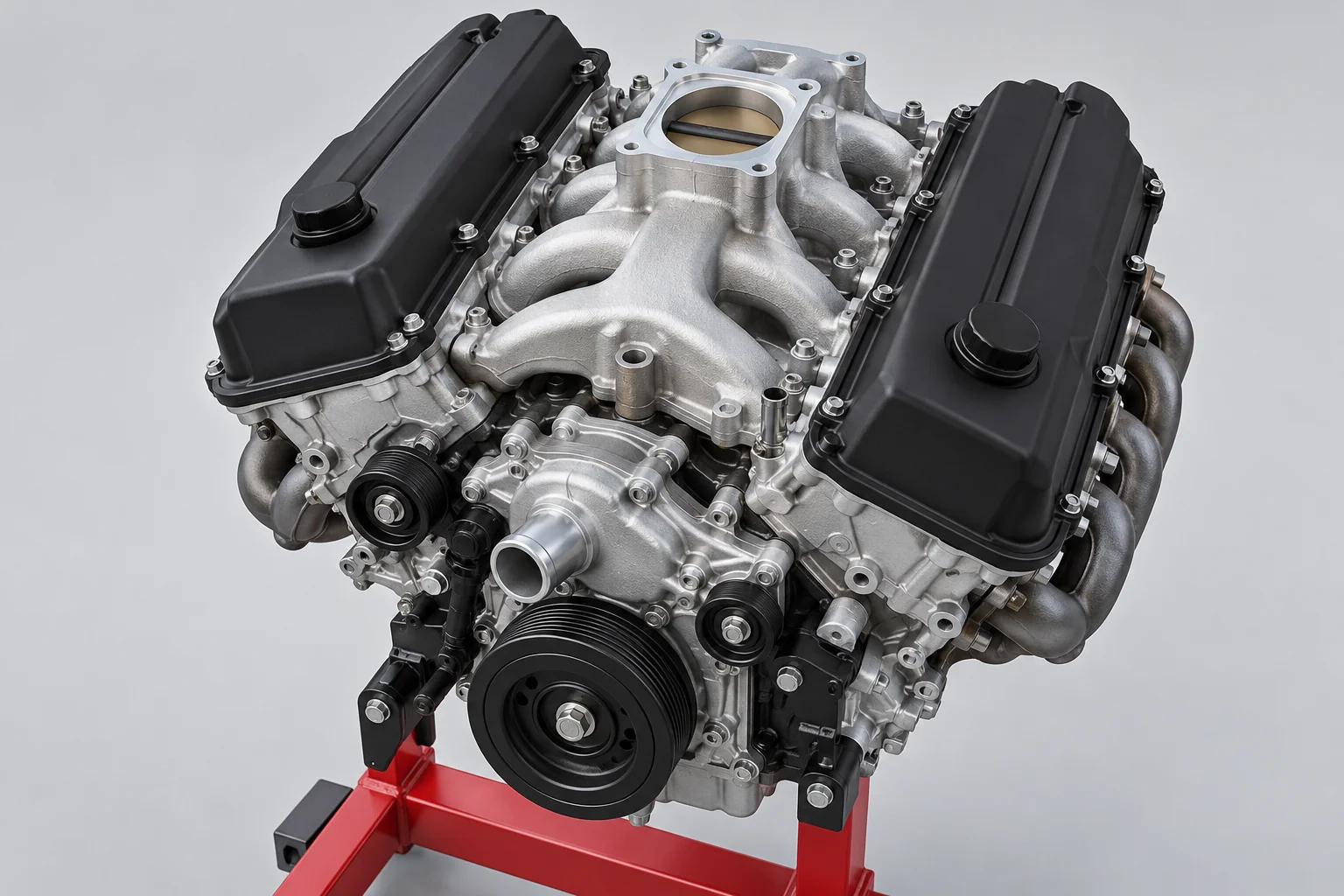
Which converter is bank 2?
Use the engine layout and service information for your exact vehicle to identify the bank, converter and sensors. Do not assume bank 2 always means the same physical side on every vehicle.
P0420 refers to the corresponding bank 1 efficiency condition. If both codes are present, give the shop the full report rather than treating them as two proven converter failures.
What evidence should support the repair?
Ask which test shows that the converter is failing its efficiency check and what checks ruled out a problem affecting the result. A suspected exhaust restriction needs its own supporting test.
Report rough running, oil or coolant consumption, recent exhaust work and other warning lights. Those details help direct the investigation instead of starting with a replacement part.
Why does the Ford F-150 bulletin matter?
Ford TSB 13-8-1 describes certain 2011–2012 F-150 trucks with the 3.5L GTDI engine that stumble or misfire during hard acceleration after extended highway driving in humid or damp conditions. P0430 may accompany that complaint.
The bulletin requires checks of the conditions, recorded misfire data and charge-air-cooler configuration before its repair path applies. It is not an instruction to fit a converter or air deflector to any F-150 with P0430. A technician must check current Ford guidance and applicability.
When should the converter be replaced?
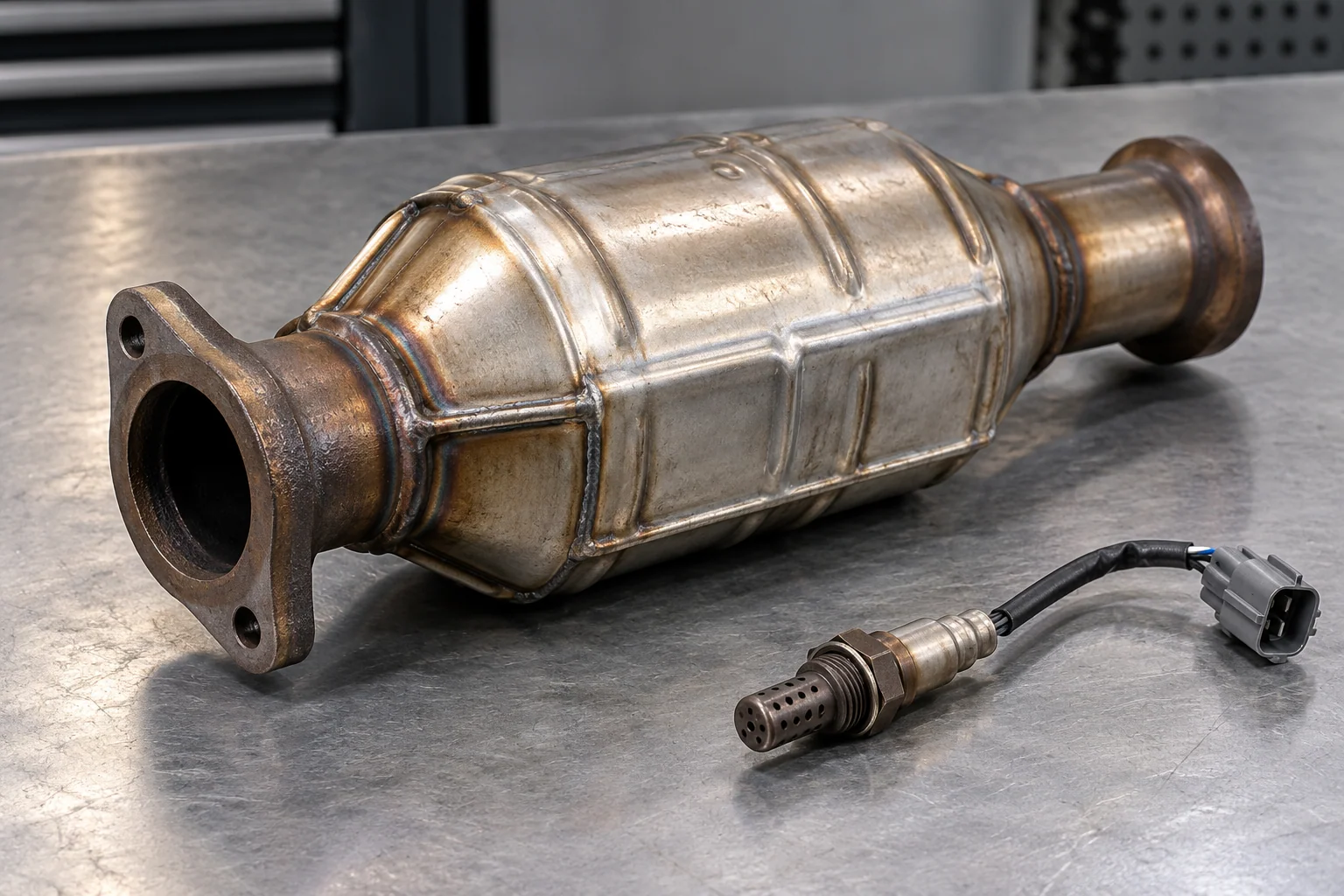
Replacement should follow the applicable diagnostic findings and address relevant underlying engine problems. Select the correct converter application, including emissions requirements, rather than ordering from the code alone.
An oxygen sensor should likewise be replaced because testing identifies its fault, not simply because it helps the computer assess the converter.
What should happen after the repair?
Ask the shop to repeat the failed checks and assess the vehicle's catalyst-monitor result under the required conditions. Clearing the warning does not demonstrate the outcome by itself.
If the engine is shaking, losing power or flashing its check engine light, stop safely and seek assistance. The exact repair cost depends on the confirmed cause; P0430 does not supply a single price.
Sources & further reading
- HELLA — OBD-II powertrain DTC definitions (English)
- Walker Exhaust — Diagnosing Catalytic Converter Problems
- Walker Exhaust — Do I Need to Replace My Catalytic Converter?
- Ford Motor Company — TSB 13-8-1
Vehicle designs and maintenance requirements vary. Consult the owner’s manual for your exact vehicle and seek a qualified inspection for a specific fault.