Emissions
Oxygen Sensor Replacement: Procedure, Costs and Common Mistakes
Published:
Edited and fact-checked by: Jacob Bowen
General information; vehicle-specific diagnosis requires an inspection. How we prepare our guides · This page reserves space for ads. Advertising policy · Privacy choices
The quick answer
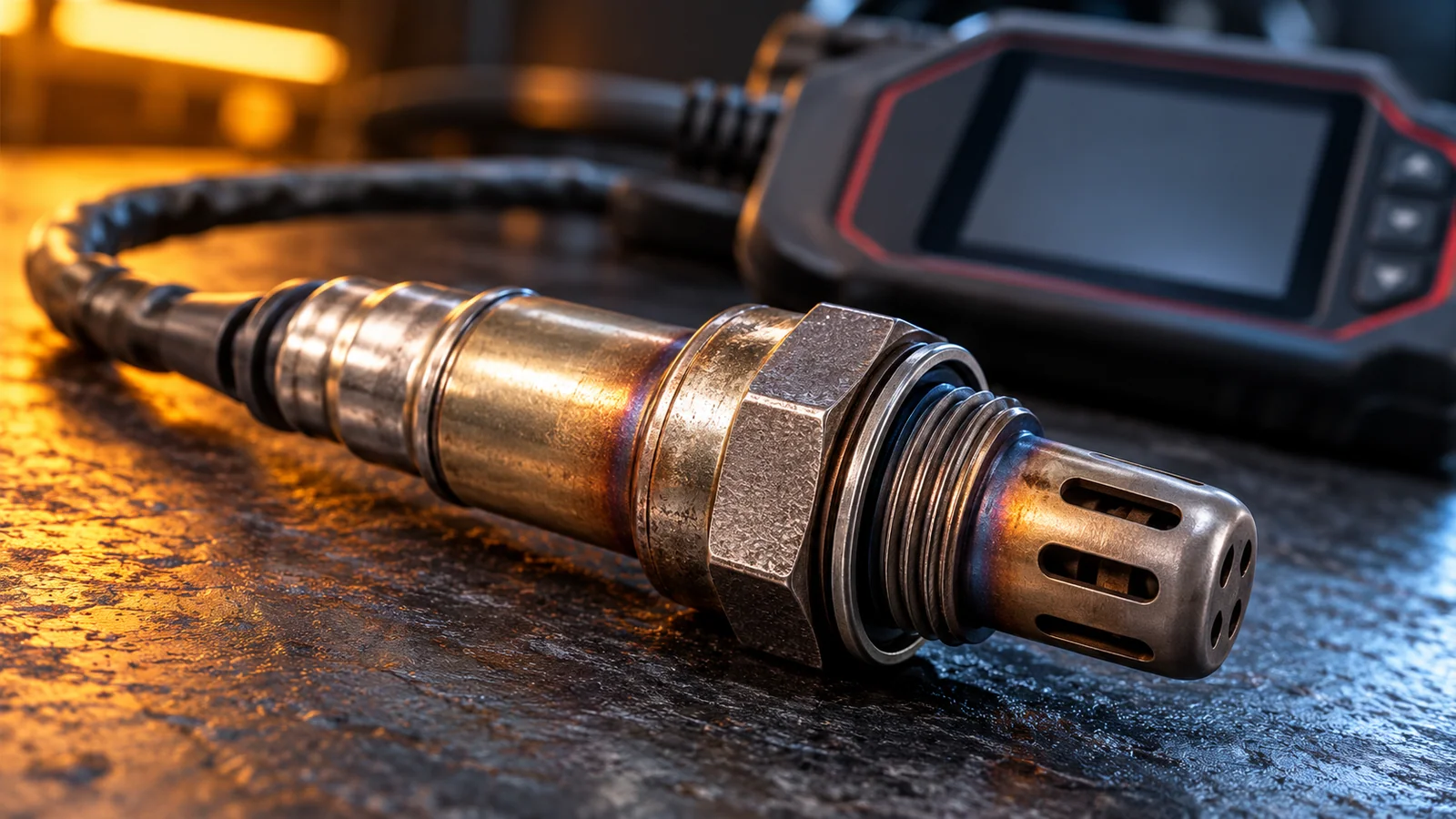
Replace an oxygen sensor after testing confirms a sensor fault and rules out wiring, exhaust leaks and engine-running problems that can affect its readings. RepairPal's general US replacement estimate is $440–$523, updated September 3, 2026, before taxes, fees and location differences. Confirm the exact sensor and repair scope before comparing quotes.
Does an oxygen sensor code mean you need a new sensor?
Not necessarily. The circuit, heater, connector or the exhaust mixture itself may be responsible for the result. Poor fuel economy and rough running also have other causes. Ask what test separates a failed sensor from a sensor accurately reporting another problem.
Which oxygen sensor does your car need?
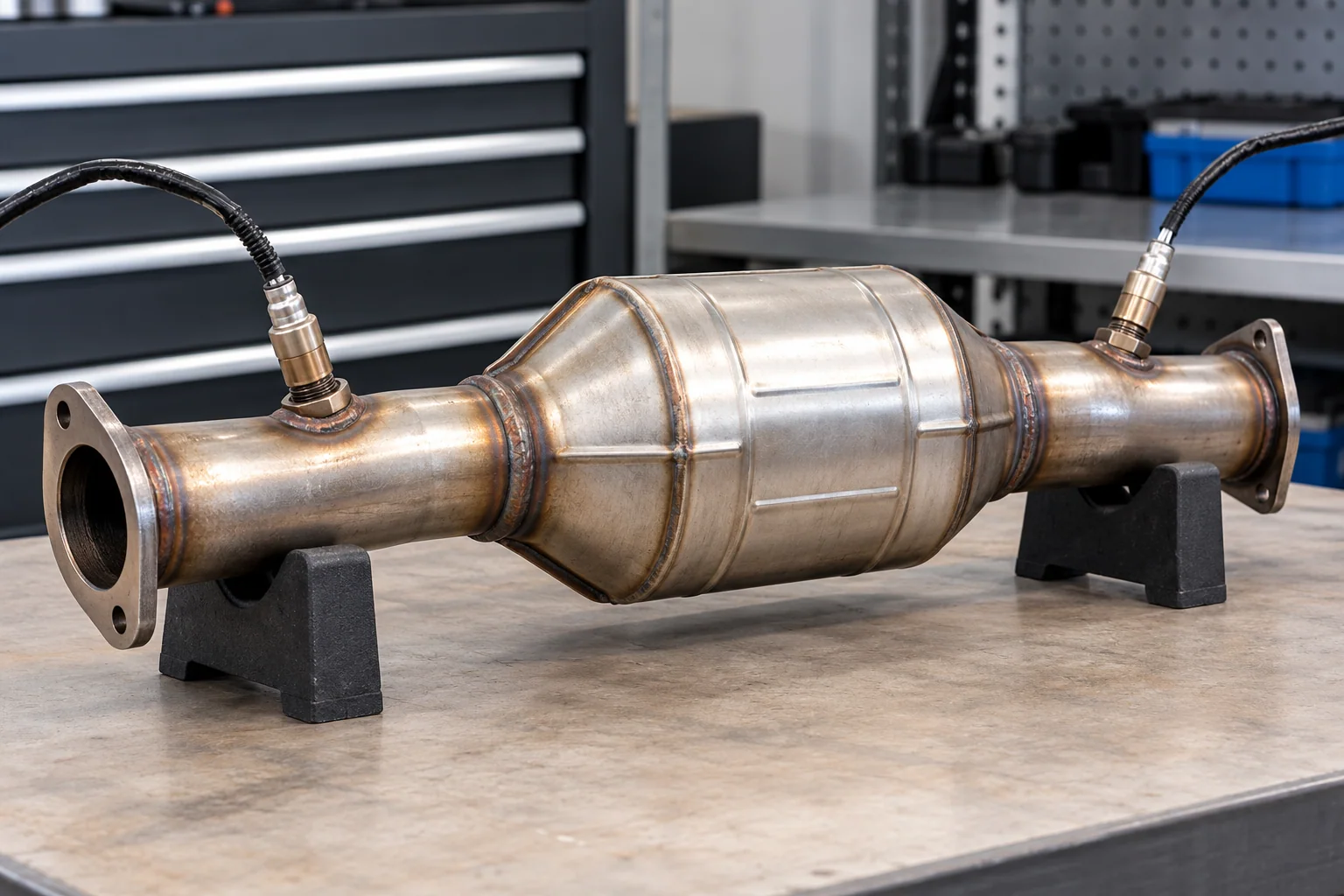
Use the exact bank and sensor position from the vehicle's service information. A sensor upstream of a converter has a different role from a downstream sensor, and a vehicle can have several. Avoid ordering by a vague description such as front oxygen sensor.
Conventional oxygen sensors and wideband air-fuel sensors also work differently. Their signals and test procedures are not interchangeable, even when both are called O2 sensors in a parts search.
What should diagnosis include?
The technical references call for checking the relevant fault codes, wiring and connector condition, heater operation and sensor response under valid test conditions. Exhaust leaks, fueling faults and contamination should be considered where the evidence points to them.
A single scan-tool reading is not a complete diagnosis. The expected signal depends on the sensor type and manufacturer procedure. Do not condemn a wideband sensor because it does not switch like a conventional narrowband example.
What happens during oxygen sensor replacement?
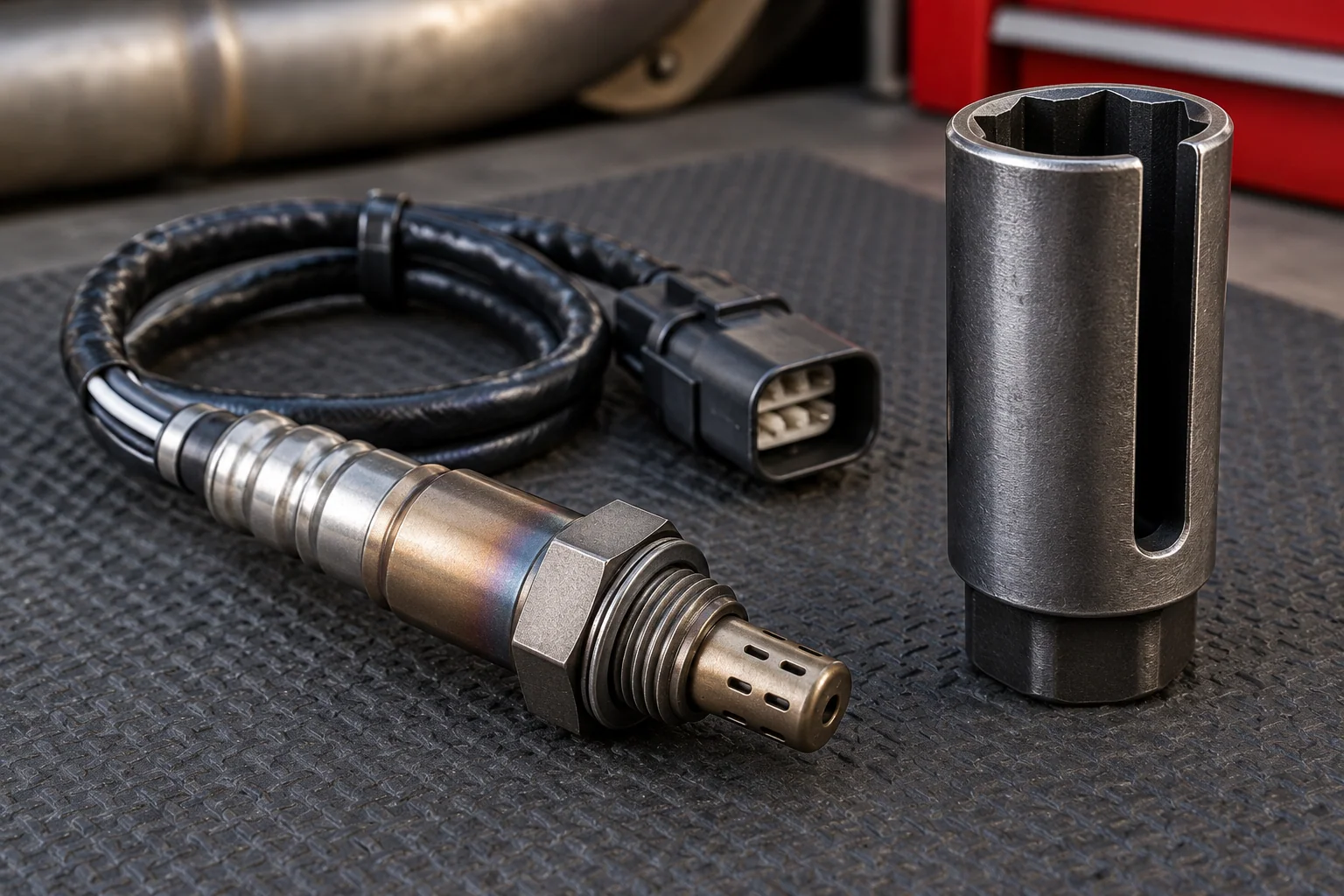
Once the correct sensor is identified, the technician disconnects its harness and removes it with suitable access and tooling. The new sensor must match the application and be tightened to the specified torque.
Follow the sensor maker's thread-treatment instructions. Some sensors arrive with treatment already applied; extra anti-seize is not automatically needed. Keep any approved compound away from the sensing area, and route the harness so it cannot be damaged by heat or moving parts.
Why do oxygen sensor replacement prices vary?
RepairPal's September 3, 2026 estimate separates $93–$136 in labor from $347–$387 in parts. Your price depends on the vehicle, sensor design, access and the work required to remove the old unit.
Ask which bank and position the quote covers, how many sensors are included, and whether diagnosis is separate. Replacing all sensors is a different scope from replacing one confirmed failed unit. A lambda-sensor quote may simply use another name for the same type of component.
How should the replacement be checked?
The shop should verify the corrected sensor or heater operation and assess applicable monitor results after their required operating conditions are met. Turning the light off with a scan tool is not enough on its own.
If oil, coolant or another engine problem contaminated the old sensor, address that cause as part of the plan to prevent a repeat failure.
Can you replace an O2 sensor yourself?
Only if you can identify and diagnose the right unit, gain access safely and follow the installation instructions. A seized sensor can make a small-looking job difficult. If safe vehicle support or removal is beyond your equipment and experience, have a shop do it rather than forcing the part or working under an unsupported vehicle.
Sources & further reading
- Delphi — Making sense of your sensors: Oxygen sensor
- Underhood Service — Diagnosing And Replacing Oxygen Sensors
- Underhood Service — Diagnostic Solutions: Oxygen Sensor Diagnostics
- RepairPal — Oxygen Sensor Replacement Cost Estimate
Vehicle designs and maintenance requirements vary. Consult the owner’s manual for your exact vehicle and seek a qualified inspection for a specific fault.