Engine
Oil Warning Light: Causes and Diagnostic Steps
Published:
Edited and fact-checked by: Jacob Bowen
General information; vehicle-specific diagnosis requires an inspection. How we prepare our guides · This page reserves space for ads. Advertising policy · Privacy choices
The quick answer
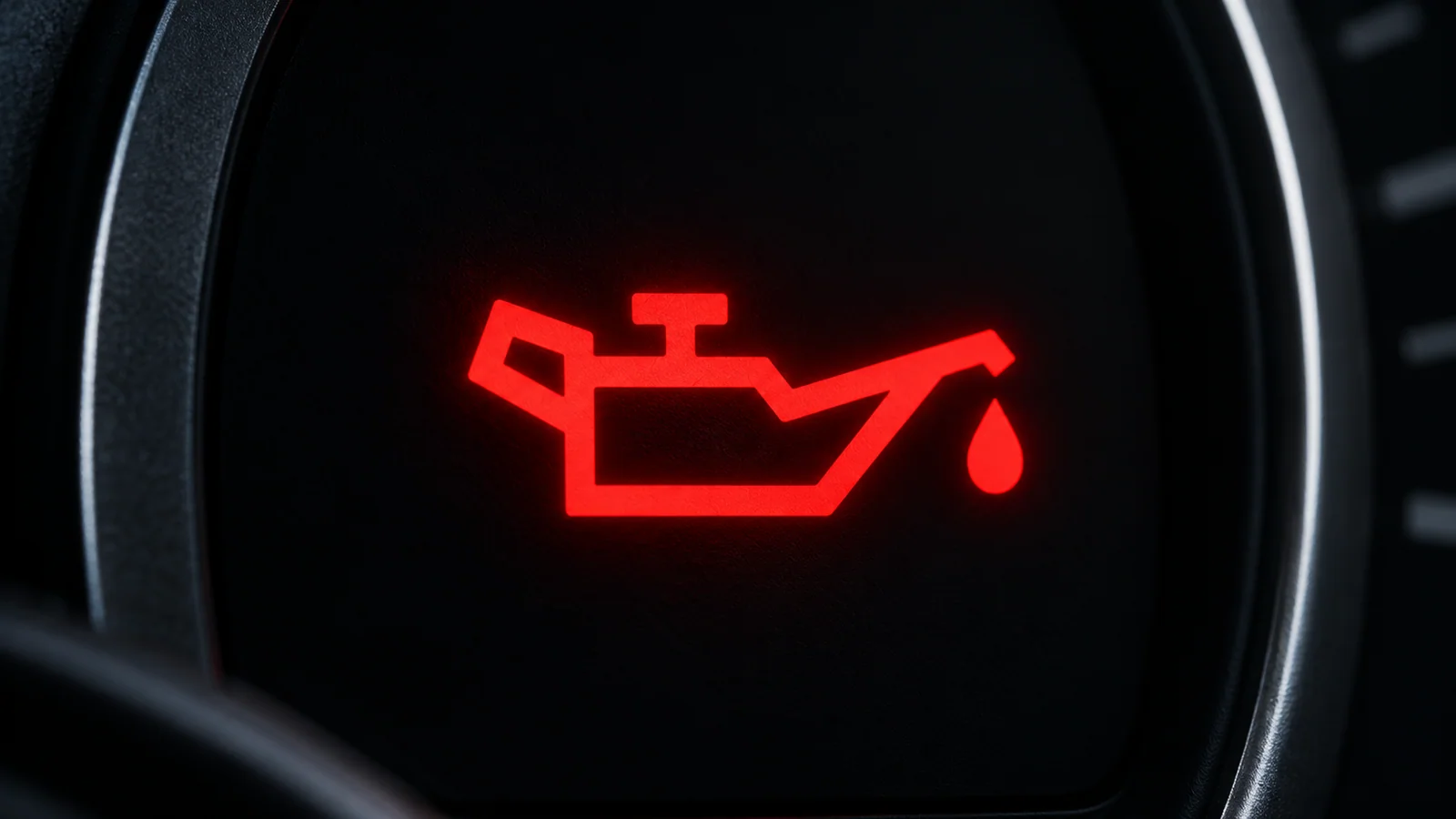
If the oil-pressure warning comes on while the engine is running, stop safely and shut the engine off. Low oil pressure can damage the engine even when the oil level is correct. An oil-level warning is different: follow the vehicle's instructions for checking and adding oil. Identify the exact light or message before treating it as a routine top-up or oil-change reminder.
Does the oil light mean low level or low pressure?
Oil level describes how much oil is in the engine. Oil pressure describes a condition in the lubrication circuit. They are related, but a full sump does not establish that oil is circulating at the required pressure.
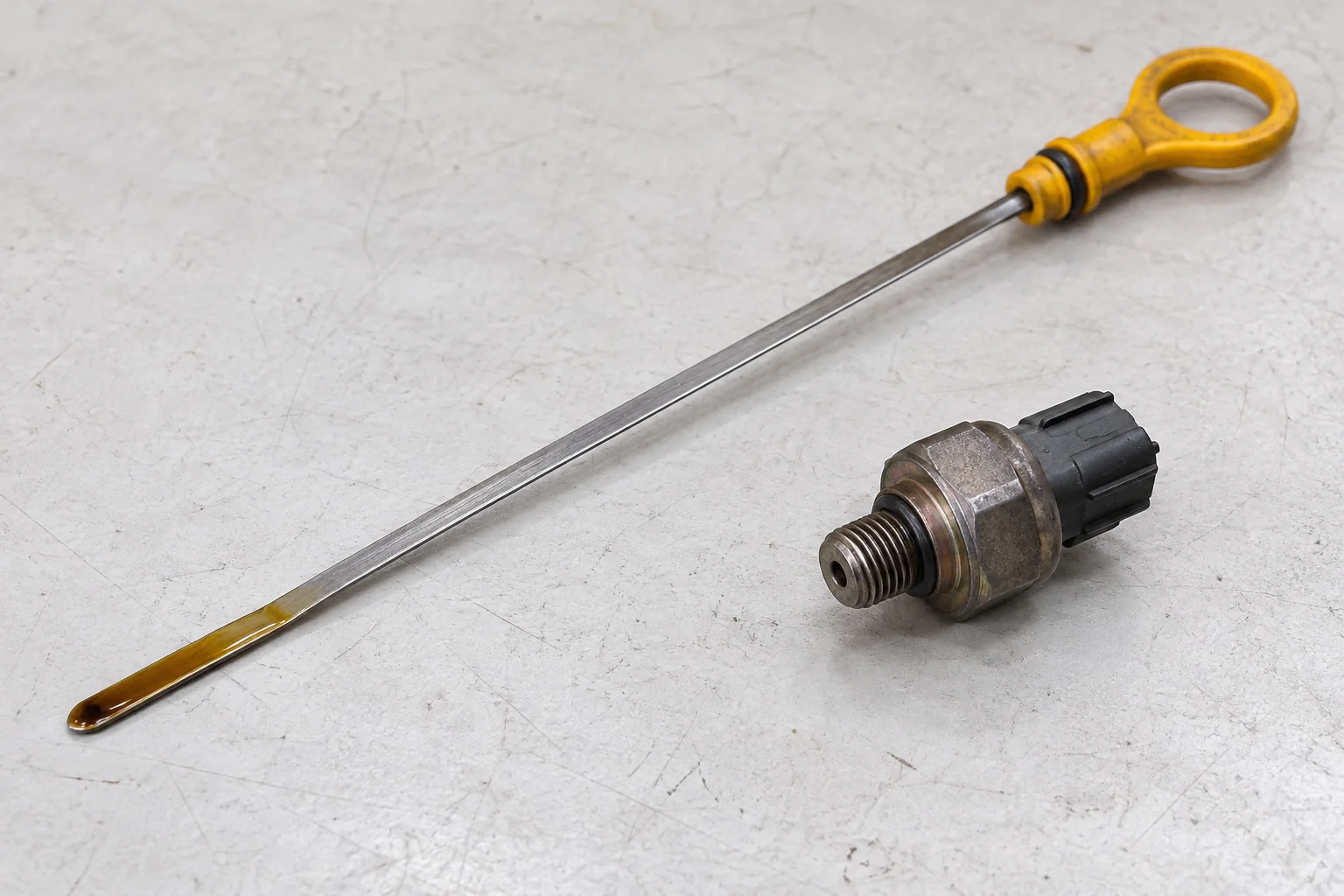
A pressure switch may trigger a warning below a set threshold, while a pressure sensor reports a measured value. A separate level sensor monitors the amount of oil. Motorservice explains that faults in sensors, connections or seals can also affect warnings. That possibility needs testing; it is not a reason to disregard the light.
Use your owner's manual to identify the symbol and message. On the 2025 Mazda CX-5, for example, Mazda describes separate engine-oil pressure and level warnings. Its pressure-warning instructions say to stop safely, shut the engine down and contact a dealer. Follow the correct model-year manual for a Subaru, Mazda or any other vehicle.
Should you add oil and restart the engine?
Once safely parked with the engine off, check the level using the manual's specified method and waiting conditions. If it is low, use the specified oil and avoid overfilling. Some vehicles use an electronic level check rather than a dipstick.
Adding oil addresses a shortage; it does not confirm that pressure has recovered or explain why oil was lost. Do not repeatedly restart an engine with a pressure warning, abnormal mechanical noise or an unresolved low-pressure condition. Arrange transport and professional checks instead of driving to see whether the light clears.
How does a technician distinguish real pressure loss from a bad sensor?
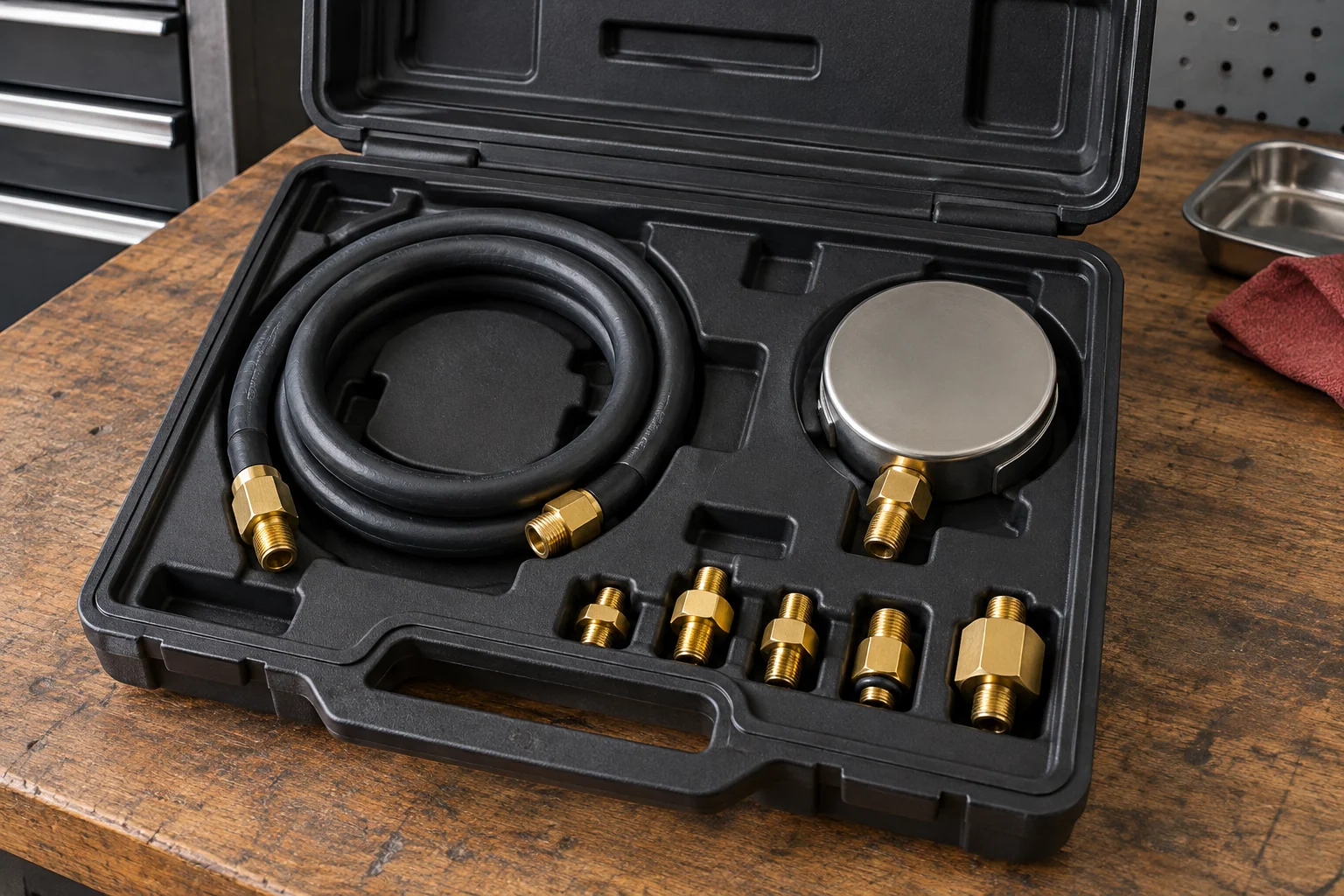
The shop should establish the correct oil level and oil specification, inspect for leakage or contamination, and check the warning circuit. A calibrated gauge at the specified test point can verify actual pressure using the engine manufacturer's procedure, temperature and speed conditions.
If measured pressure is correct, investigate the switch or sensor, wiring and indication system. If it is low, the diagnostic path can include the pickup, pump and pressure-control system, internal leakage or excessive bearing clearance. A warning light alone does not prove that the oil pump needs replacement.
What should the repair prove?
Ask for the measured result and the relevant engine specification. The repair should address the demonstrated fault and include pressure verification afterward. Do not choose thicker oil merely to hide a warning or substitute a generic pressure rule for the engine's actual requirements.
If the oil light appears with a battery warning or check-engine light, record the sequence: which appeared first, whether the engine was still running, and any noises or loss of power. Multiple lights do not identify one failed part. The pressure warning still requires prompt attention while the engine runs.
Sources & further reading
- MOTOR — What to Do When the Oil Light Glows
- AA1Car / Larry Carley — Troubleshoot Low Oil Pressure
- Motorservice / Pierburg — Oil level and oil pressure sensors from Pierburg
- Mazda: 2025 CX-5 warning-light instructions
Vehicle designs and maintenance requirements vary. Consult the owner’s manual for your exact vehicle and seek a qualified inspection for a specific fault.