Emissions
P0455: Causes, Diagnostic Tests and Repair Options
Published:
Edited and fact-checked by: Jacob Bowen
General information; vehicle-specific diagnosis requires an inspection. How we prepare our guides · This page reserves space for ads. Advertising policy · Privacy choices
The quick answer
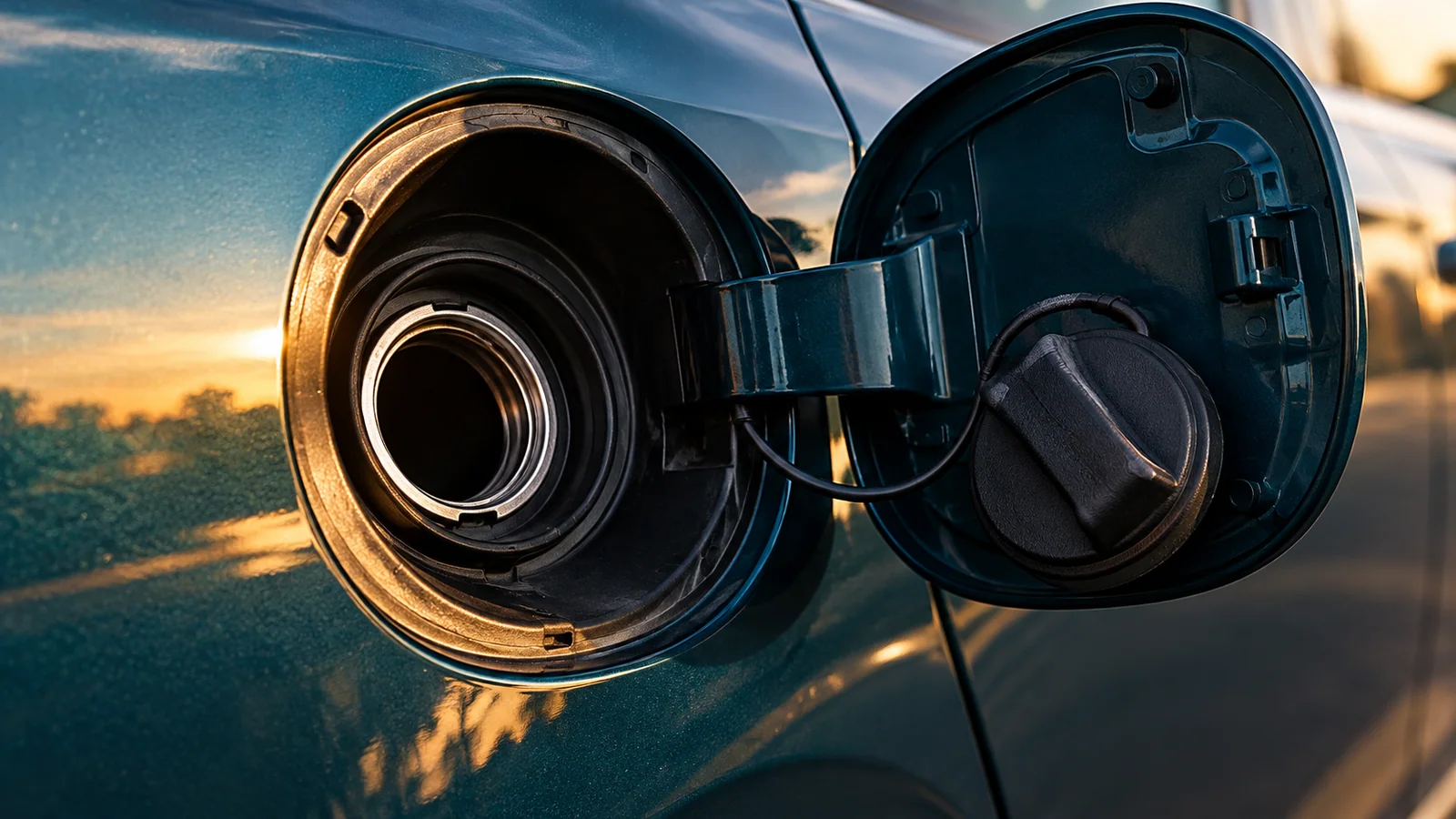
P0455 means the evaporative-emissions system detected a gross or large leak condition. Check the fuel cap and filler sealing area if your vehicle has a removable cap, but do not assume the cap is the cause. A hose, seal, valve or leak-detection problem needs the appropriate test before parts are replaced.
What system is P0455 talking about?
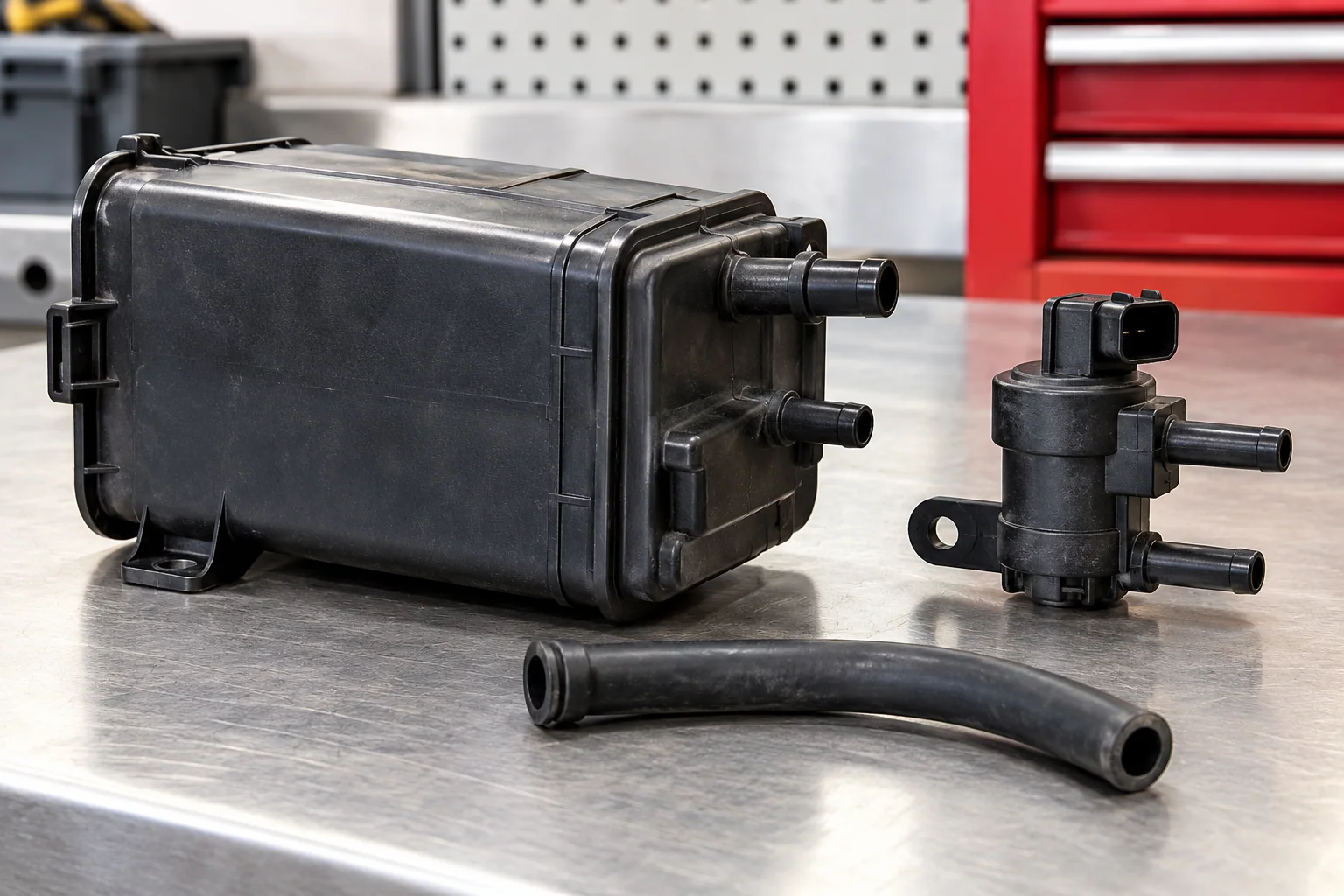
The EVAP system manages fuel vapors, using a charcoal canister and controlled paths for venting and purging. Its leak check assesses system sealing; P0455 does not mean that the engine needs an oxygen sensor.
Leak-detection arrangements vary. Chrysler NVLD, ESIM and other manufacturers' pump-based systems do not all use the same hardware or test sequence. Identify the system before applying a procedure.
What can you check without taking anything apart?
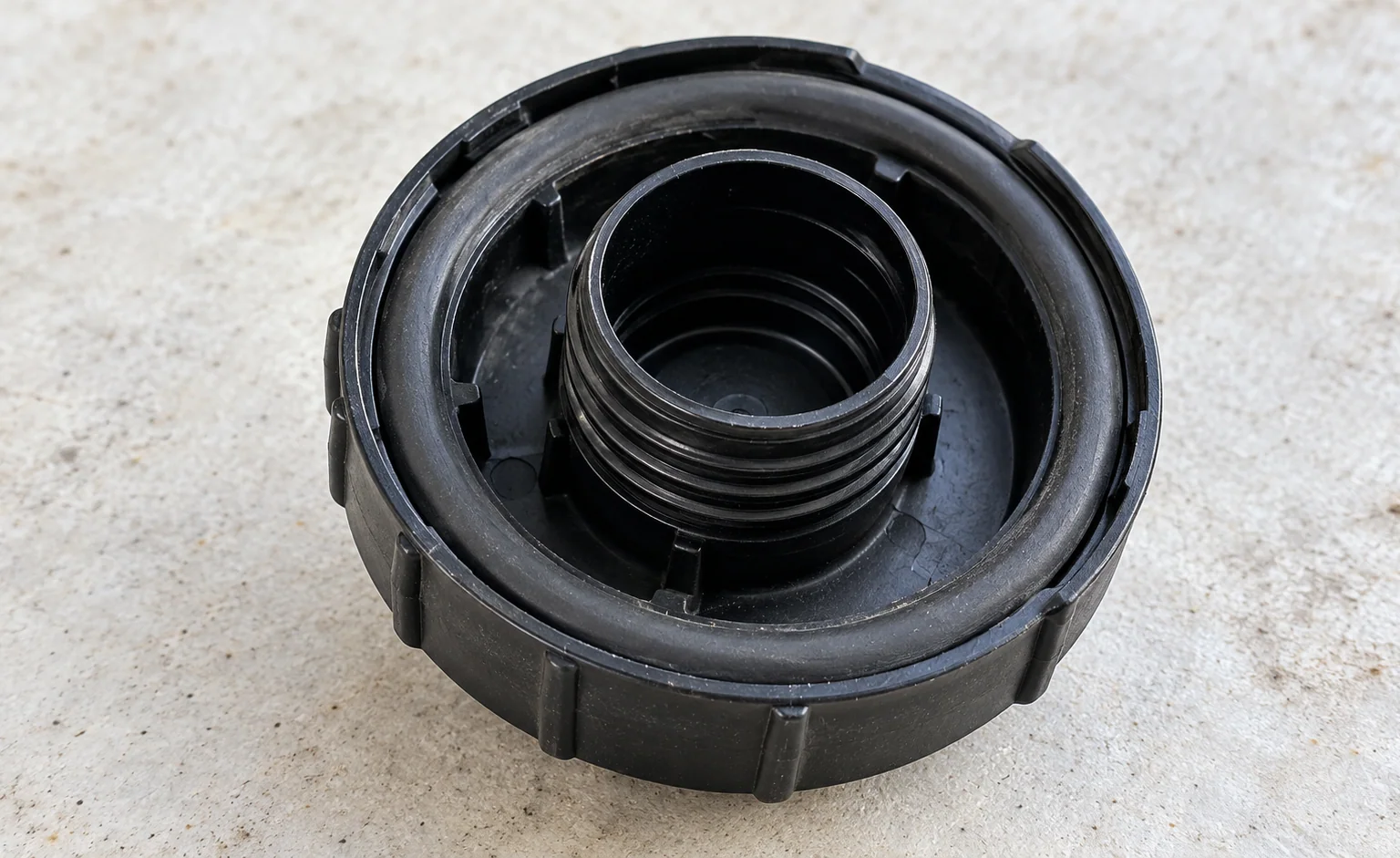
With the engine off, inspect a removable cap for correct fit and visible seal damage and refit it according to the manual. Report a missing cap, recent refueling or recent fuel-system work.
A normal-looking cap does not rule out the rest of the system, and a capless filler needs its own manufacturer's instructions. If there is visible fuel or a strong fuel-leak smell, do not continue a routine code investigation: stop using the vehicle and arrange assistance.
How should the shop find the problem?
The technician should read the complete fault report, inspect the vapor plumbing and assess valve and pressure information using the vehicle's diagnostic procedure. An appropriate EVAP smoke test can help locate a leak, while commanded component tests help establish whether valves operate and seal.
Related circuit codes need electrical checks. They should not all be treated as proof of a hole in a hose. Ask which result identifies the proposed repair.
Should you replace the cap, purge valve or canister?
Replace or repair the component shown to be faulty. The code alone cannot choose among those parts. Ask the shop to distinguish a confirmed external leak from a valve that does not seal or a problem with the system's leak-detection function.
Why might the warning remain after a repair?
The vehicle must meet the conditions required for its EVAP check. Have the shop follow the applicable verification procedure rather than promising that one restart or a fixed number of miles will clear every vehicle.
Get a price for the diagnosed work. A P0455 code does not supply one repair price, even when the make and model match an online example.
Sources & further reading
- HELLA — OBD-II powertrain DTC definitions (English)
- snapon.com — EVAP System Operation and Testing
- MOTOR — Chrysler's Evap System
Vehicle designs and maintenance requirements vary. Consult the owner’s manual for your exact vehicle and seek a qualified inspection for a specific fault.