Steering
Tie Rods: Symptoms, Diagnosis and Repair Options
Published:
Edited and fact-checked by: Jacob Bowen
General information; vehicle-specific diagnosis requires an inspection. How we prepare our guides · This page reserves space for ads. Advertising policy · Privacy choices
The quick answer
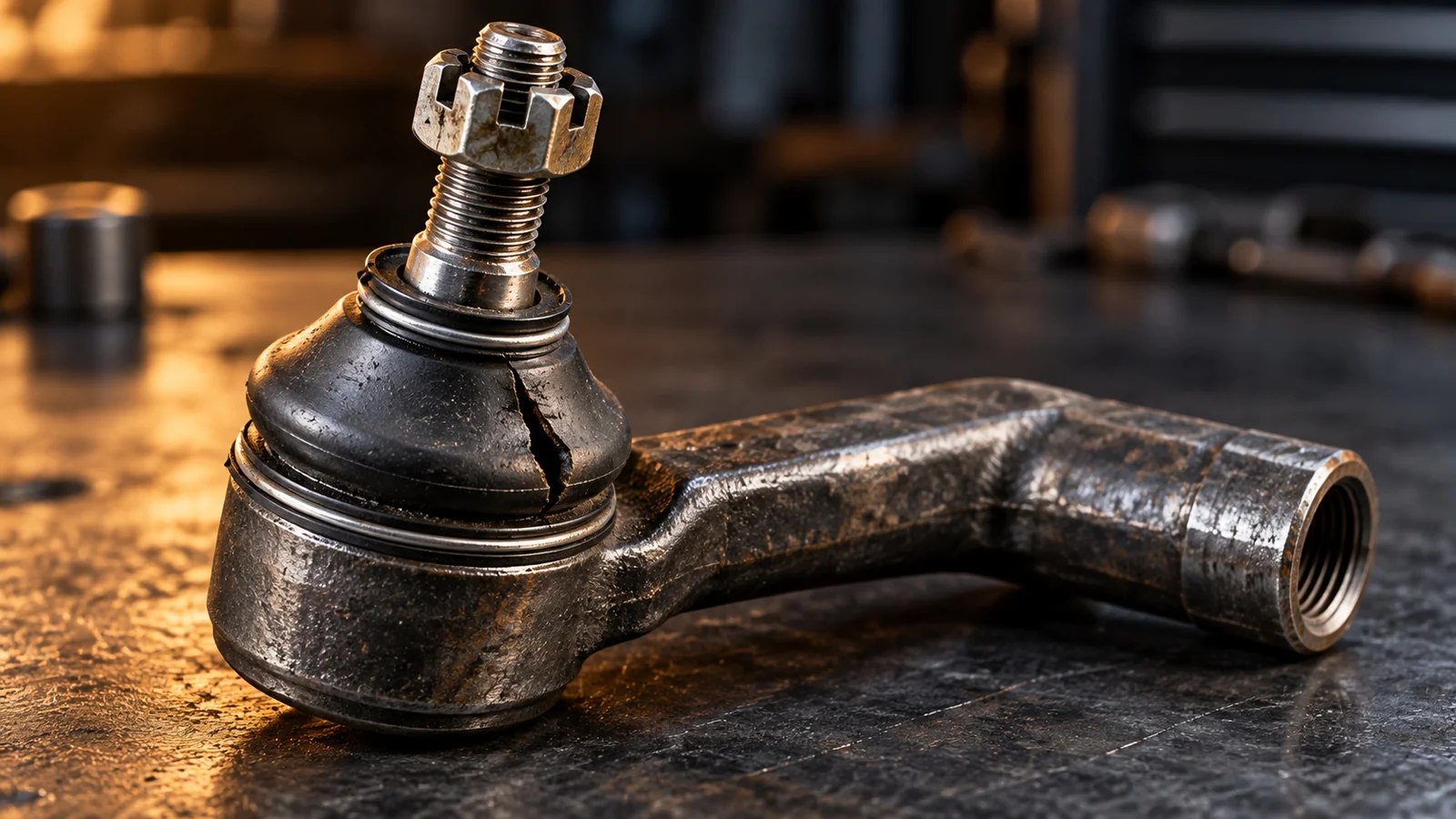
Worn or damaged tie rods can cause steering looseness, wandering, uneven tire wear or knocking, but those symptoms also occur with other steering and suspension faults. The joint needs inspection before replacement. Because a separating tie rod can compromise steering control, do not continue driving with a confirmed damaged joint or steering that feels unsafe.
Which symptoms justify a steering inspection?
Have new play, wandering, knocking while turning or unusual tire wear checked promptly. MOOG lists these as possible tie-rod symptoms, while emphasizing that alignment problems have other causes too.
If steering suddenly changes after an impact, stop safely and arrange assistance. Do not drive a known damaged tie rod until it breaks, or assume a quiet joint is safe merely because it does not clunk.
How do inner and outer tie rods differ?
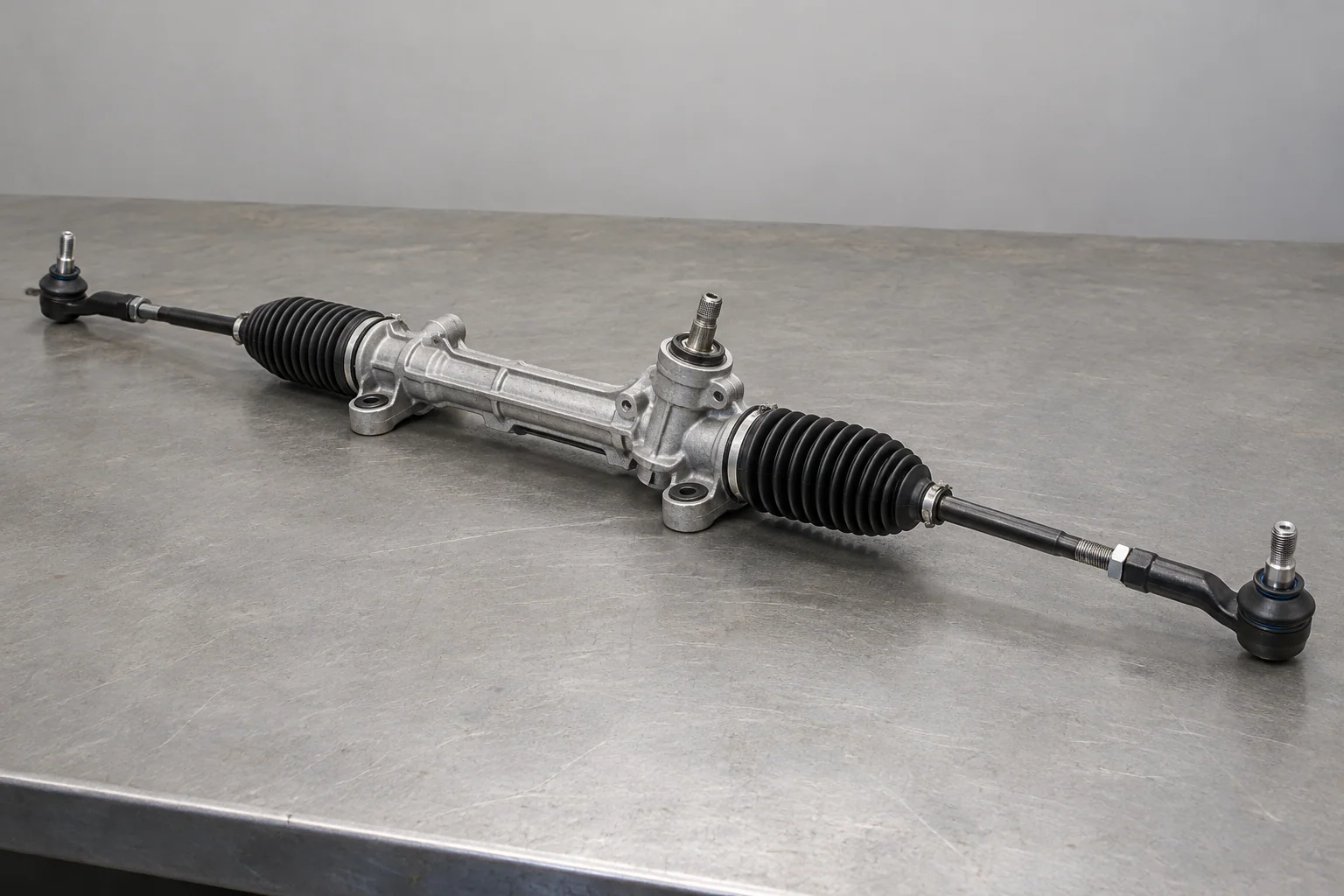
On a typical rack-and-pinion arrangement, the inner joint connects at the rack and the outer end connects to the steering knuckle. The rack boot can hide the inner joint, so what is visible from outside does not establish its condition.
Different steering systems use different linkage arrangements. Ask the shop to identify the exact joint and show where unwanted movement occurs rather than describing every loose steering component as a tie rod.
What should the inspection distinguish?
The technician should separate movement at the inner joint, outer end, rack mounts, steering shaft, wheel bearings and suspension joints. AA1Car emphasizes a thorough steering and suspension inspection before reaching a conclusion.
Test support and loading conditions must suit the vehicle and joint being examined. A wheel that can be rocked does not, by itself, identify the faulty component. Ask where the movement is occurring and how it compares with the applicable inspection criteria.
Boots and clamps matter because damage can admit contamination. On a hydraulic power rack, confirmed power-steering fluid inside a rack bellows suggests an internal rack-seal leak. A new tie rod or boot alone does not repair that hydraulic leak.
What matters during tie-rod replacement?
Use the correct part, retaining hardware and installation procedure. MOOG warns that overtightening a stud nut can deform an aluminum knuckle, and its installation guidance calls for proper joint positioning. Tightening harder is not a substitute for the specified torque.
Inspect the other joints and boots, but base additional replacements on their condition and the repair instructions. One worn end does not establish that the complete rack or every steering joint needs replacing.
Why is alignment needed after replacement?
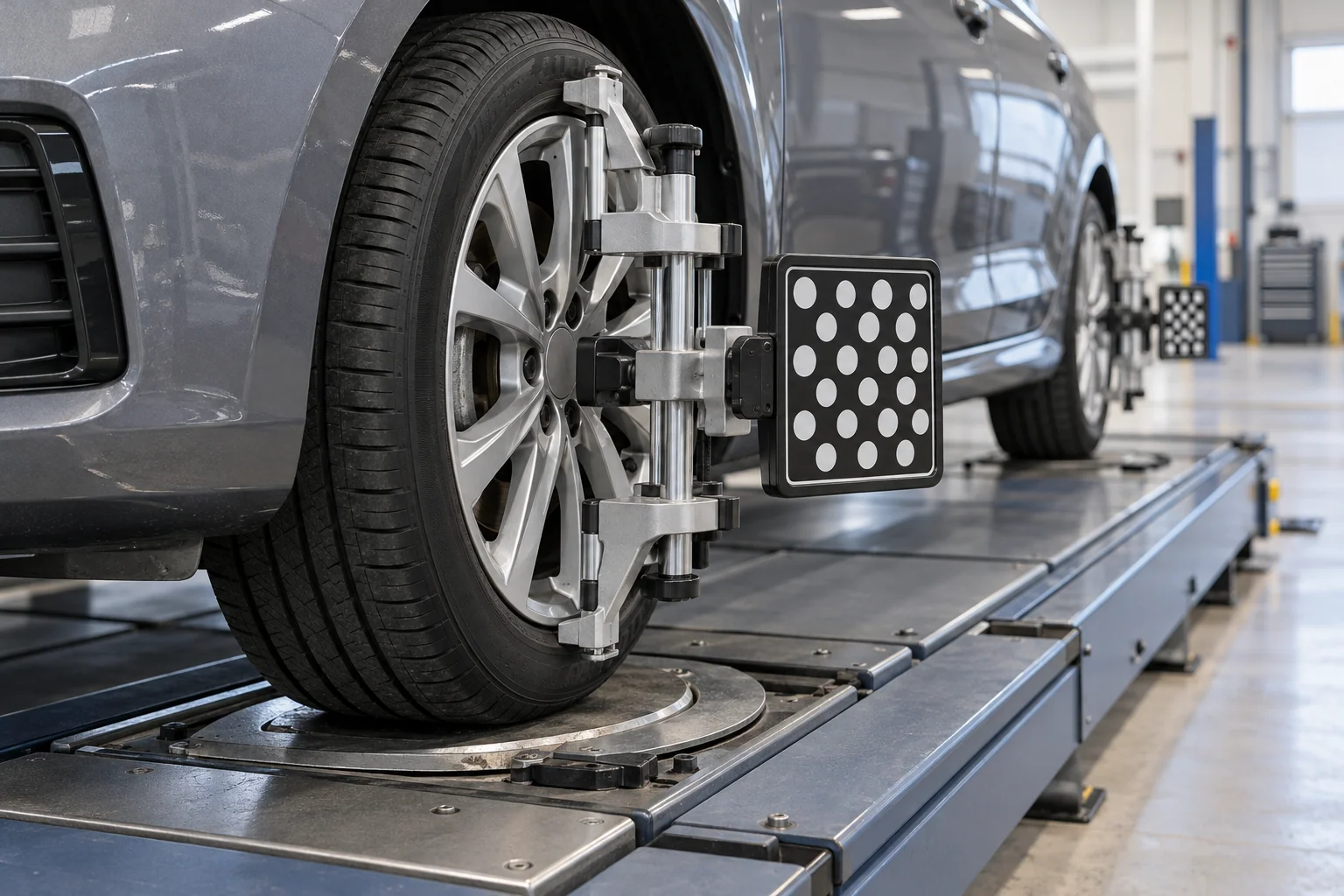
Tie-rod adjustment affects toe: the direction the wheels point relative to each other. Counting removal turns can help with assembly position, but it cannot establish that the final alignment meets specification.
MOOG recommends alignment after an outer tie-rod replacement and discusses steering-angle accuracy. Follow the vehicle's procedure for any required sensor reset or calibration. Request the alignment results and confirmation that the original looseness or noise was addressed before collecting the car.
Sources & further reading
- MOOG — What Do Tie Rods Do?
- MOOG — Alignment & Outer Tie Rods
- MOOG — Installing Tie Rods
- AA1Car / Larry Carley — How To Diagnose & Replace Rack & Pinion Steering Inner Tie Rod Sockets
Vehicle designs and maintenance requirements vary. Consult the owner’s manual for your exact vehicle and seek a qualified inspection for a specific fault.