Engine
Engine Knocking: Symptoms, Diagnosis and Repair Options
Published:
Edited and fact-checked by: Jacob Bowen
General information; vehicle-specific diagnosis requires an inspection. How we prepare our guides · This page reserves space for ads. Advertising policy · Privacy choices
The quick answer
A new engine knock needs prompt assessment because combustion knock and mechanical damage can sound similar. If it is a pronounced new hammering noise, or it accompanies an oil-pressure warning, overheating or loss of power, stop safely and shut the engine off. Do not keep revving it to identify the sound or assume a knock sensor will fix it.
What should you tell the technician about the noise?
Describe when it began, whether the engine was cold or warm, and whether it occurred at idle or under load. Mention recent service, an oil-level problem or a change of fuel. Record what already happened rather than deliberately reproducing a severe noise.
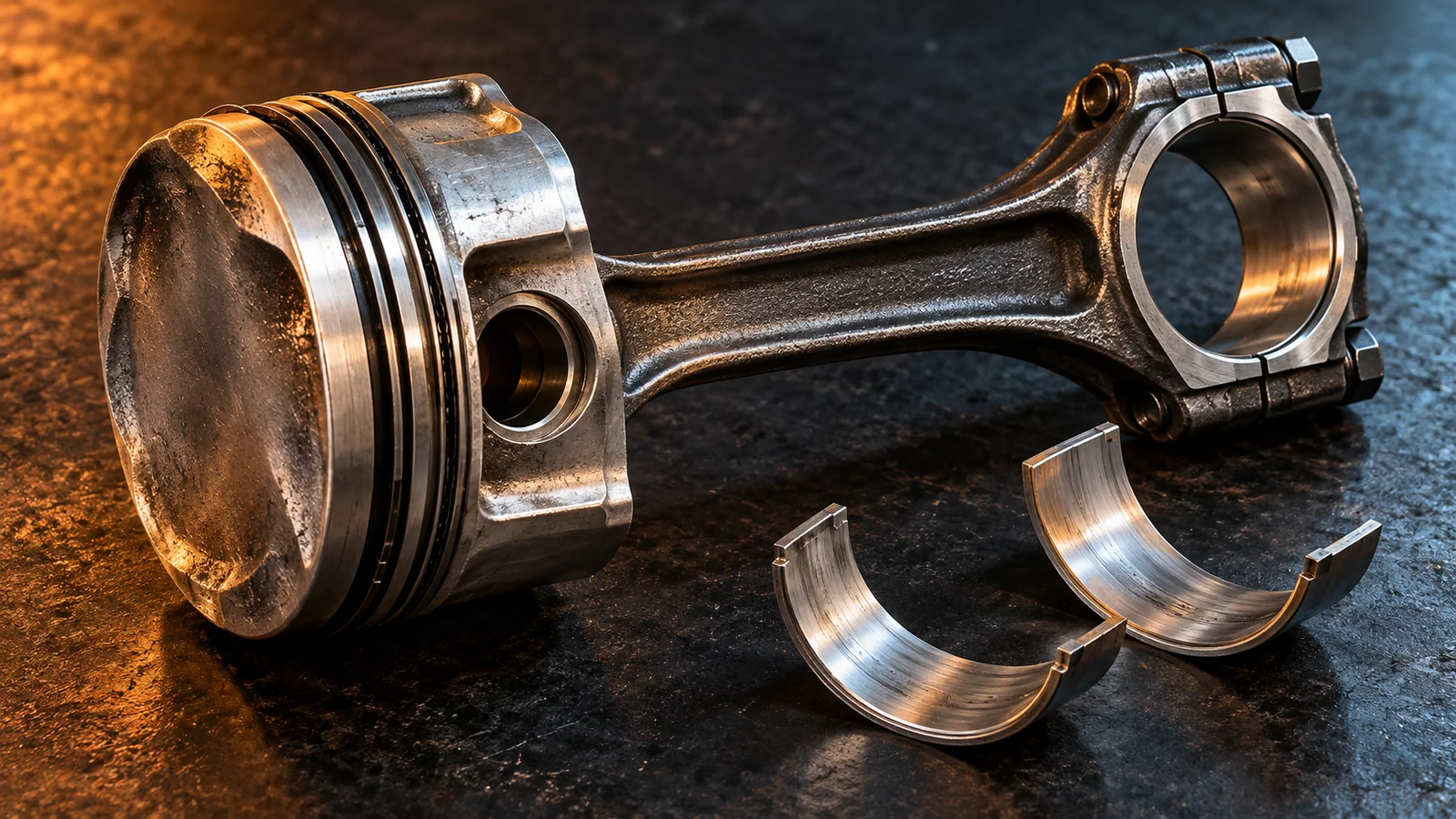
The name 'knock' is a description, not a confirmed bearing diagnosis. AA1Car's engine-noise guide includes valvetrain, lubrication, bearing, combustion and other mechanical branches. The source must be localized before deciding what to replace.
How does spark knock differ from a mechanical knock?
Spark knock is abnormal combustion in a gasoline engine. It can become noticeable under load, and factors such as unsuitable fuel octane, excessive temperature or incorrect combustion conditions can contribute. It is different from looseness or damage in a bearing or another moving component.
Use the gasoline grade specified by the manufacturer. A change in fuel is relevant history, but premium fuel is not a repair for a damaged bearing. Diesel combustion and injection need their own diagnostic approach rather than gasoline octane advice.
Why should oil pressure be checked before further running?
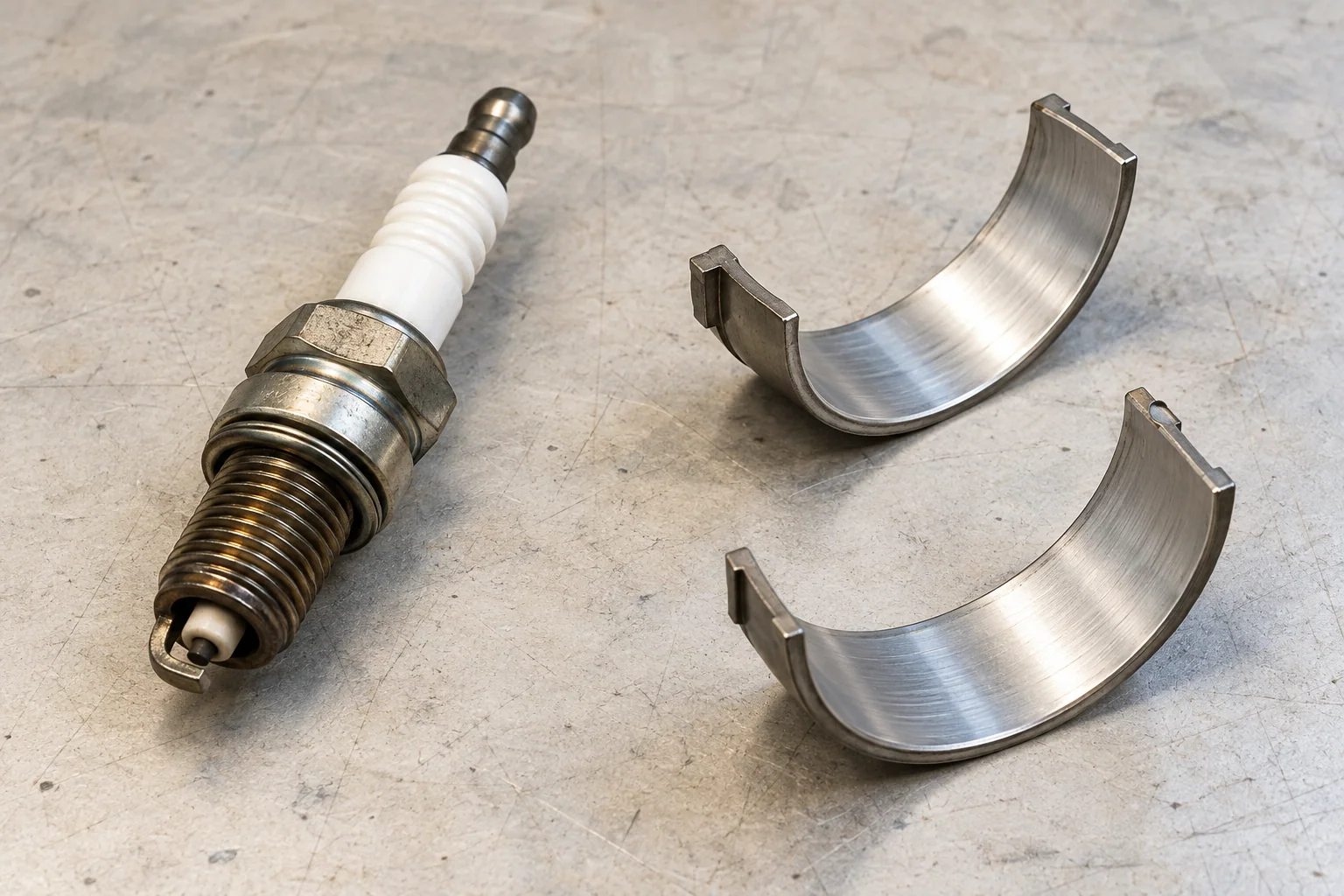
Low oil level and low oil pressure are different findings. Check the level by the vehicle's procedure when it is safe, but do not treat a full dipstick as proof that pressure is adequate. A pressure warning with noise needs urgent assessment.
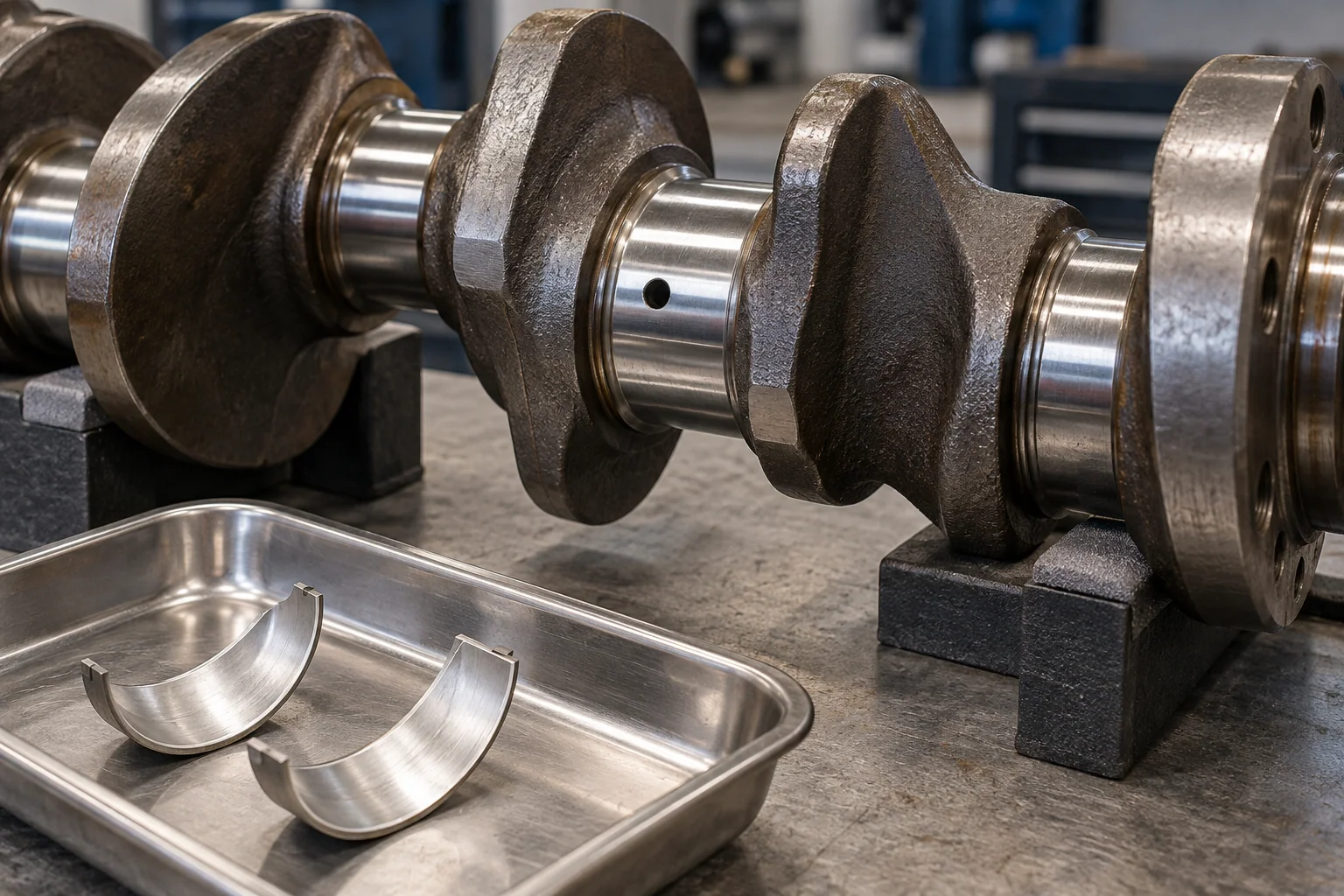
MAHLE's failure guide shows how inadequate lubrication can progress to bearing overheating and seizure. It also distinguishes local oil-feed problems from broader oil-supply loss. Finding damage therefore calls for determining why lubrication failed, not only replacing the visibly damaged part.
Does a knock sensor code identify the noise?
No. Knock sensing is part of combustion control. A sensor or circuit fault and an actual mechanical noise are separate questions. The technician should check applicable codes and signals while identifying the physical source.
For a suspected internal fault, ask what measured oil-pressure or mechanical inspection evidence supports the conclusion. Pressure must be compared with the engine's specification under the required conditions. Do not approve a rebuild based only on a recording, or assume an accessory noise means the engine has failed.
What repair can actually stop the knock?
Repair follows the confirmed cause: a combustion-control condition needs its applicable correction; a damaged internal component needs assessment of the surrounding engine and oil system; a drive or accessory fault needs its own repair.
Avoid thicker oil, an additive or aggressive driving as a substitute for diagnosis. Ask for the findings, repair scope and verification plan before comparing prices. There is no single engine-knock repair cost and no guaranteed safe distance to drive with an unidentified knock.
Sources & further reading
- AA1Car / Larry Carley — Engine Noise
- MAHLE — Engine Component and Filters Failure Guide
- AA1Car / Larry Carley — What Is Engine Detonation
Vehicle designs and maintenance requirements vary. Consult the owner’s manual for your exact vehicle and seek a qualified inspection for a specific fault.