Engine
Rod Knock: Causes and Diagnostic Steps
Published:
Edited and fact-checked by: Jacob Bowen
General information; vehicle-specific diagnosis requires an inspection. How we prepare our guides · This page reserves space for ads. Advertising policy · Privacy choices
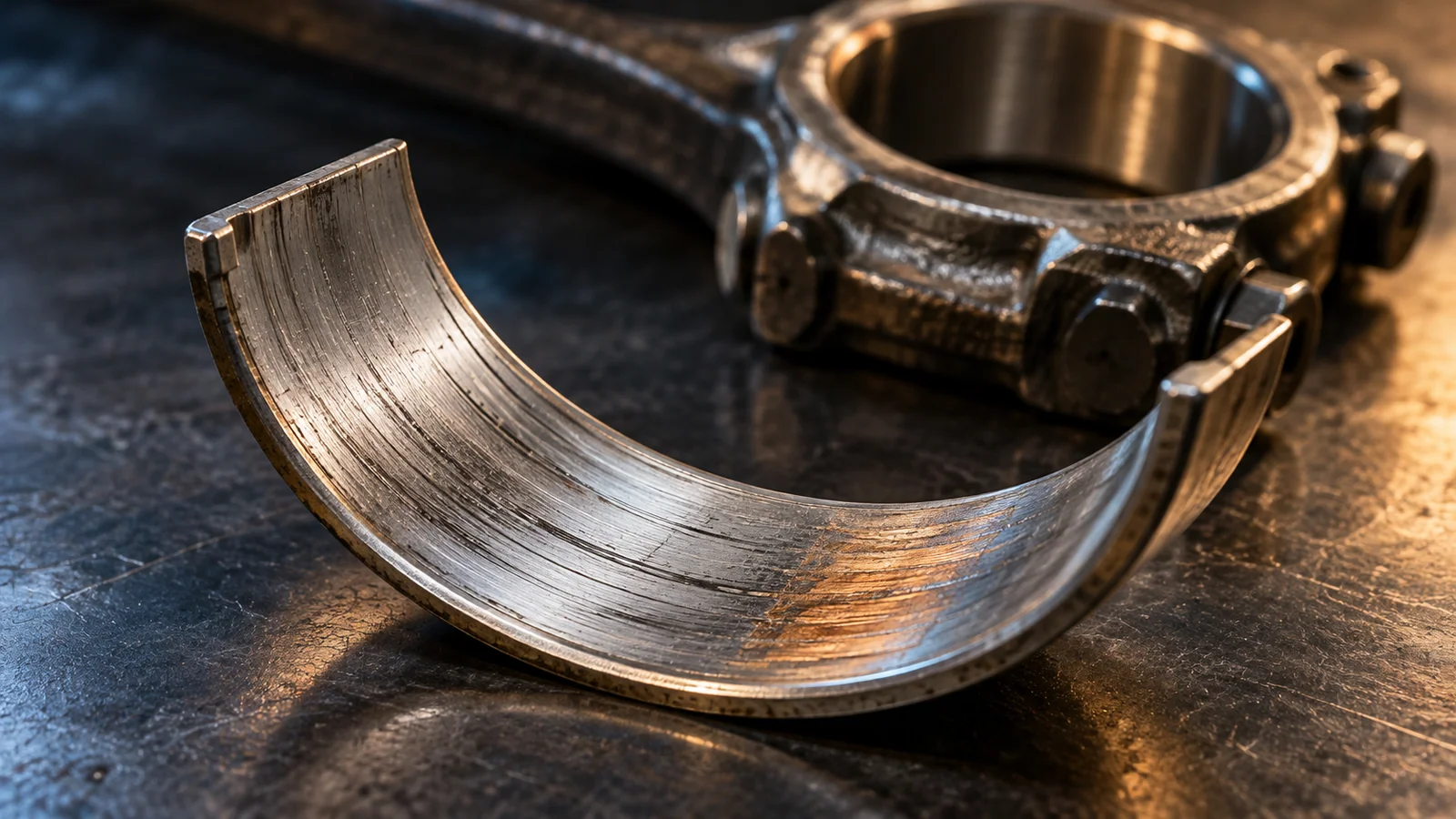
The quick answer
Suspected rod knock is a reason to stop safely, shut the engine off and arrange transport. The term usually refers to knocking associated with a damaged connecting-rod bearing, which can progress to major engine failure. A similar sound can come from another component, so confirm the source before deciding on bearing work, an overhaul or engine replacement.
Does a deep knocking sound prove a rod bearing failed?
No. A sound description or phone recording cannot measure bearing clearance or inspect the crankshaft. AA1Car's engine-noise guide includes several mechanical and combustion-related possibilities.
Give the technician the history: when the sound began, whether the engine was hot or cold, recent oil service and any pressure or temperature warnings. Do not keep running or revving a pronounced knock to demonstrate it.
Why isn't topping up the oil a complete answer?
A low oil level is relevant, but a correct level does not establish adequate oil pressure or undamaged bearings. Use the specified checking method and oil; do not restart a severely knocking engine just because the dipstick now reads full.
If pressure testing is appropriate, the shop needs the engine's procedure and limits. Low pressure requires investigation of the oil supply and clearances rather than an automatic oil-pump replacement.
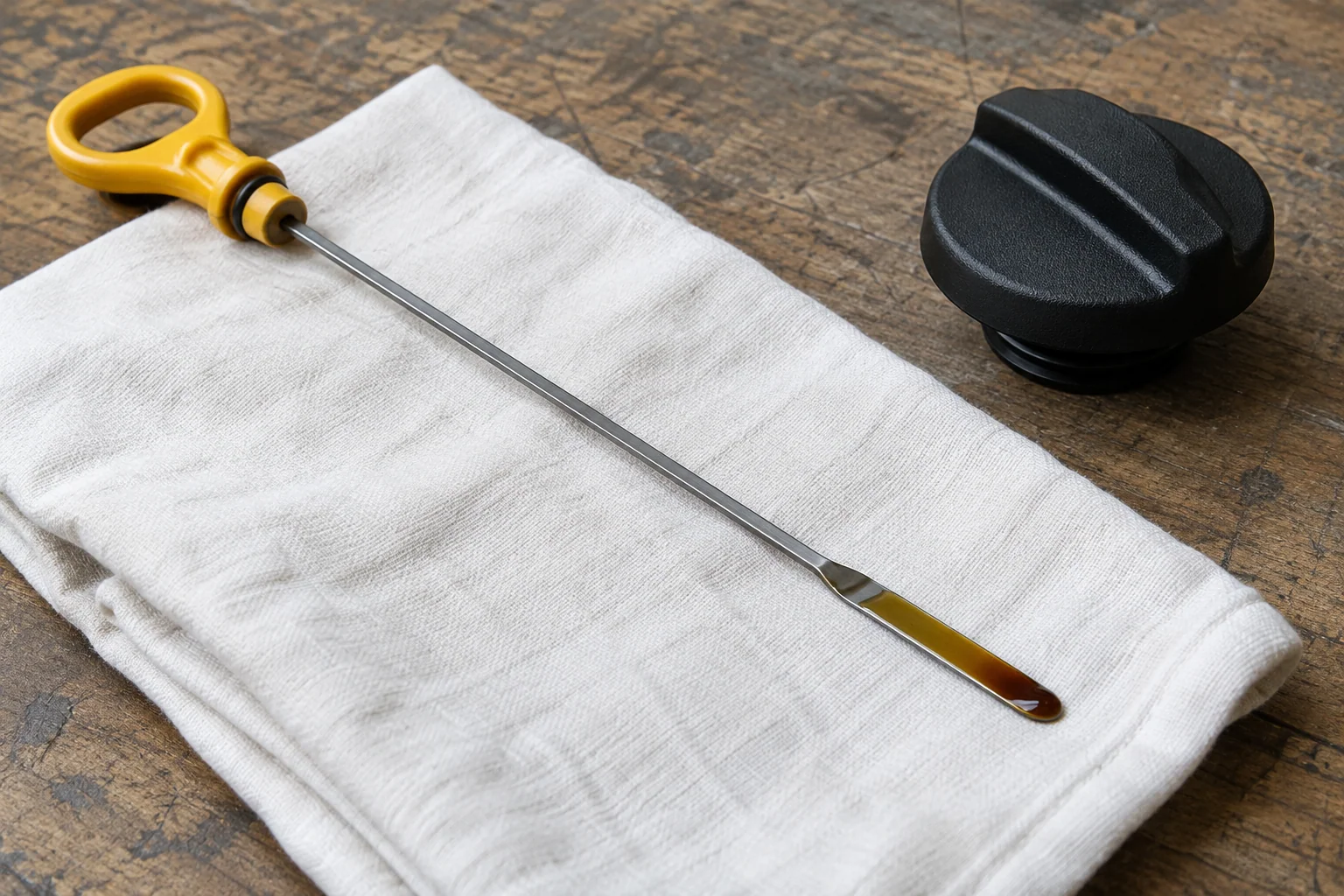
What can confirm the extent of damage?
Further inspection may require opening the engine to assess bearings, crankshaft journals and connecting rods. Ask what is already confirmed and what the next stage of disassembly will establish.
MAHLE's damage guide distinguishes localized oil-feed failure, broader lubrication loss and uneven bearing wear associated with geometry problems. MOTOR also emphasizes checking connecting-rod dimensions and integrity. These are reasons to assess the surrounding parts, not simply order replacement bearing shells.
Can replacing the bearings alone fix rod knock?
Only if inspection establishes that the proposed repair meets the engine's requirements and addresses the cause. A damaged journal, distorted component or unresolved lubrication problem can make a bearing-only repair unsuitable.
MAHLE shows how continued operation with inadequate lubrication can progress to severe heating, seizure and bearing material damage. A quieter engine after fitting a part does not establish that the underlying condition was corrected. Avoid thicker oil or an additive as a substitute for a measured repair assessment.
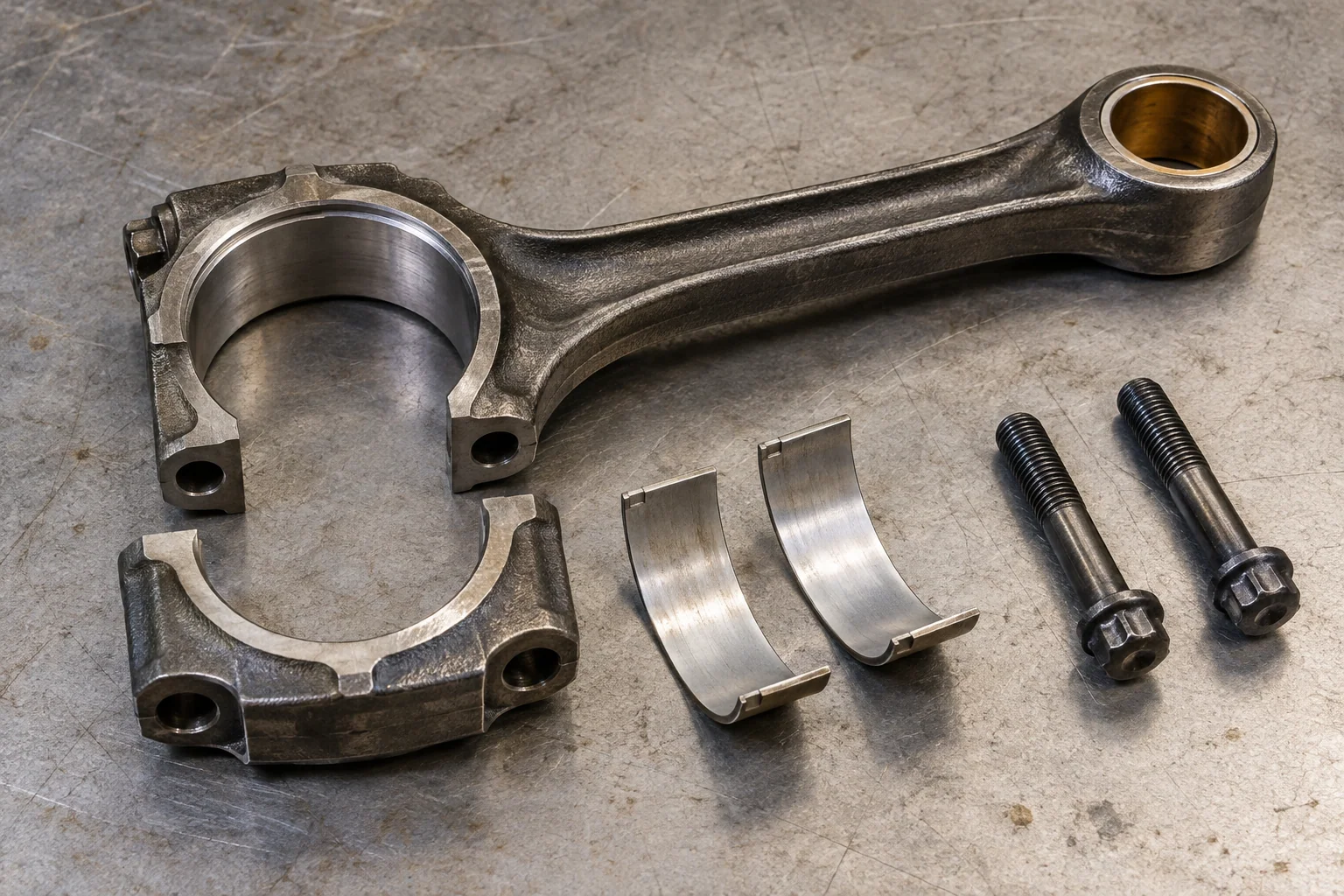
How should you compare repair and replacement costs?
There is no single rod-knock repair price. First request the inspection findings and any additional diagnosis needed. Then compare the actual scope of repairing the engine, rebuilding it or installing a replacement.
Ask what parts and machining are included, how the lubrication fault will be addressed, and what the written warranty covers. The final verification must match the repair and include the original noise and relevant pressure checks. Do not accept a guaranteed safe driving distance for an unidentified knock.
Sources & further reading
- AA1Car / Larry Carley — Engine Noise
- MOTOR — Performance Perspectives: Connecting Rod Inspection
- MAHLE — Engine Component and Filters Failure Guide
Vehicle designs and maintenance requirements vary. Consult the owner’s manual for your exact vehicle and seek a qualified inspection for a specific fault.