Engine
Engine Ticking: Symptoms, Diagnosis and Repair Options
Published:
Edited and fact-checked by: Jacob Bowen
General information; vehicle-specific diagnosis requires an inspection. How we prepare our guides · This page reserves space for ads. Advertising policy · Privacy choices
The quick answer
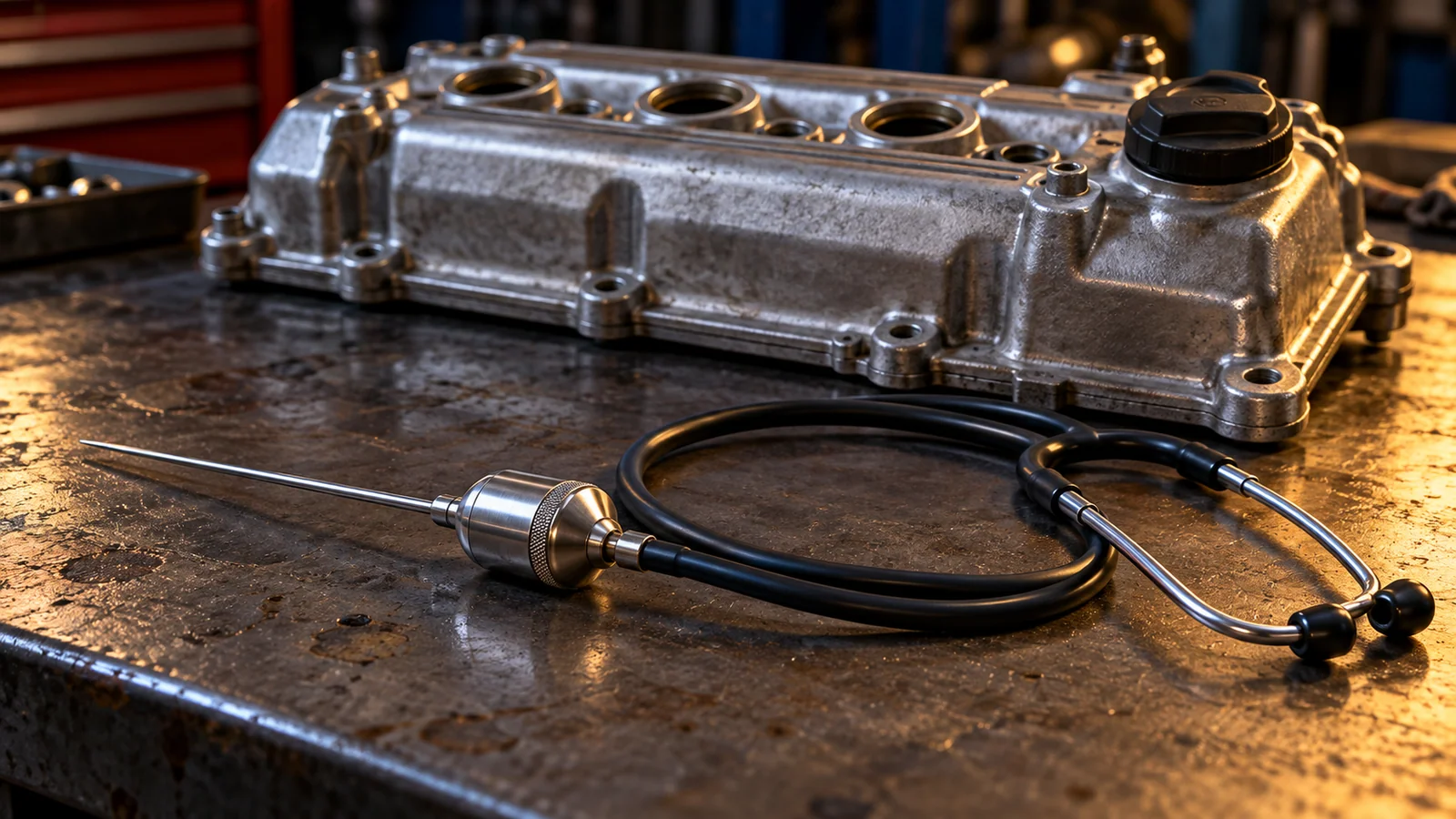
Engine ticking can come from normal fuel-system operation or a problem such as inadequate lubrication, excessive valve clearance or damaged parts. A new, louder or changing tick needs investigation. If it comes with an oil-pressure warning, severe knocking or rough running, stop safely and switch off the engine rather than revving it to diagnose the sound.
What should you check when the engine starts ticking?
Record whether it happens at a cold start, only when warm, at idle or during acceleration. Note warning lights and any recent oil service or repair. If it is safe, make a recording from outside the engine bay without reaching toward moving parts.
Check oil level using the owner's manual procedure. A low level needs correction with the specified oil and investigation of why it became low. A normal level does not prove adequate oil pressure or delivery to every component.
AA1Car describes top-end noise associated with lubrication problems and with excessive clearance or wear. The next step depends on inspection and, when indicated, an actual oil-pressure test using the correct engine conditions and specifications.
Can injector or fuel-pump ticking be normal?
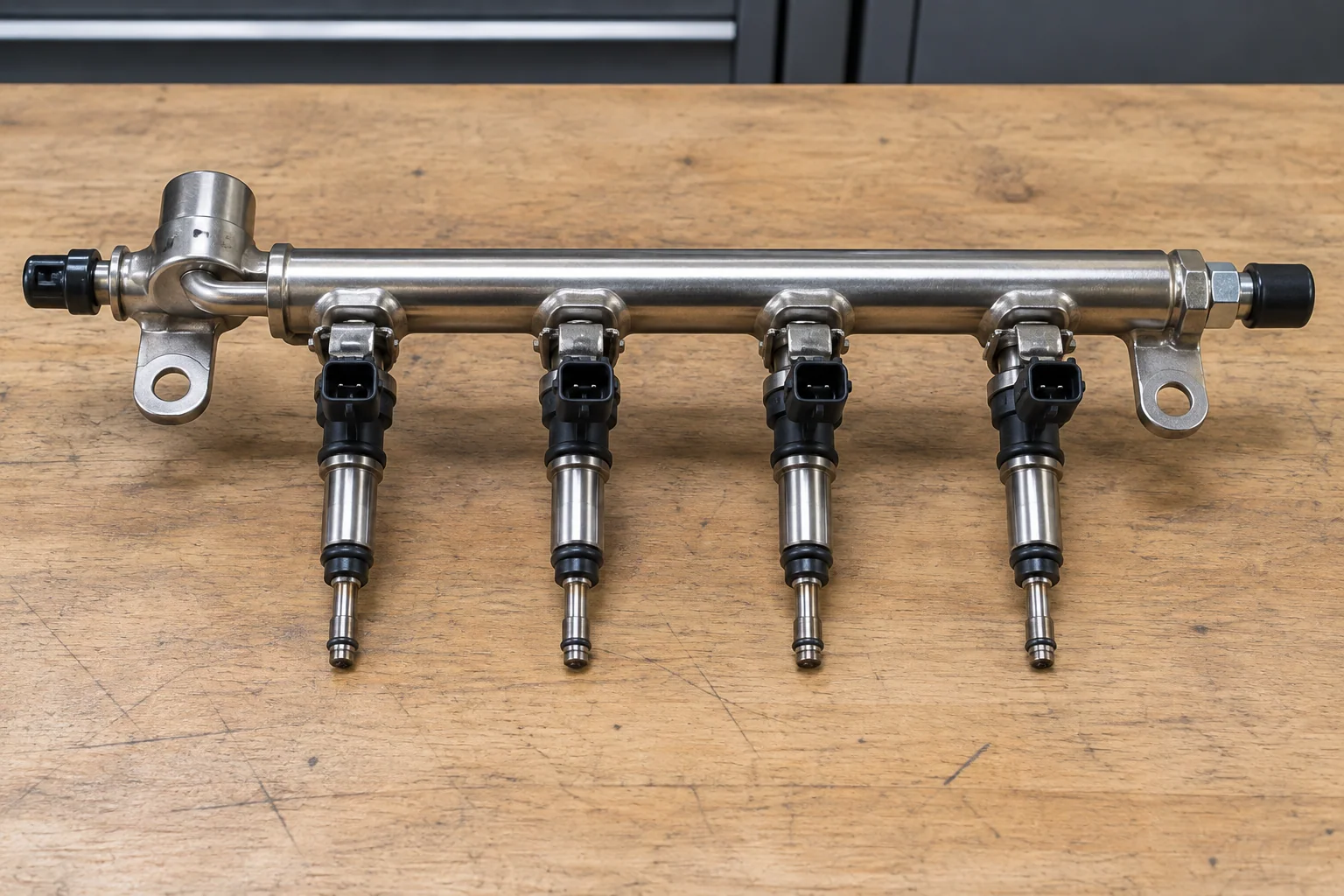
Yes, on some engines. GM bulletin 07-06-04-025L documents normal high-pressure pump and injector clicking on its listed vehicles with specified 3.0L or 3.6L direct-injection V6 engines. The described sound is more noticeable at cold idle and becomes less frequent as the engine warms.
GM advises against replacing those components for that identified normal sound. This does not mean every tick on a direct-injection engine is harmless. The vehicle, engine and actual noise must match the explanation; a new symptom still deserves assessment.
Does ticking mean the valves need adjustment?
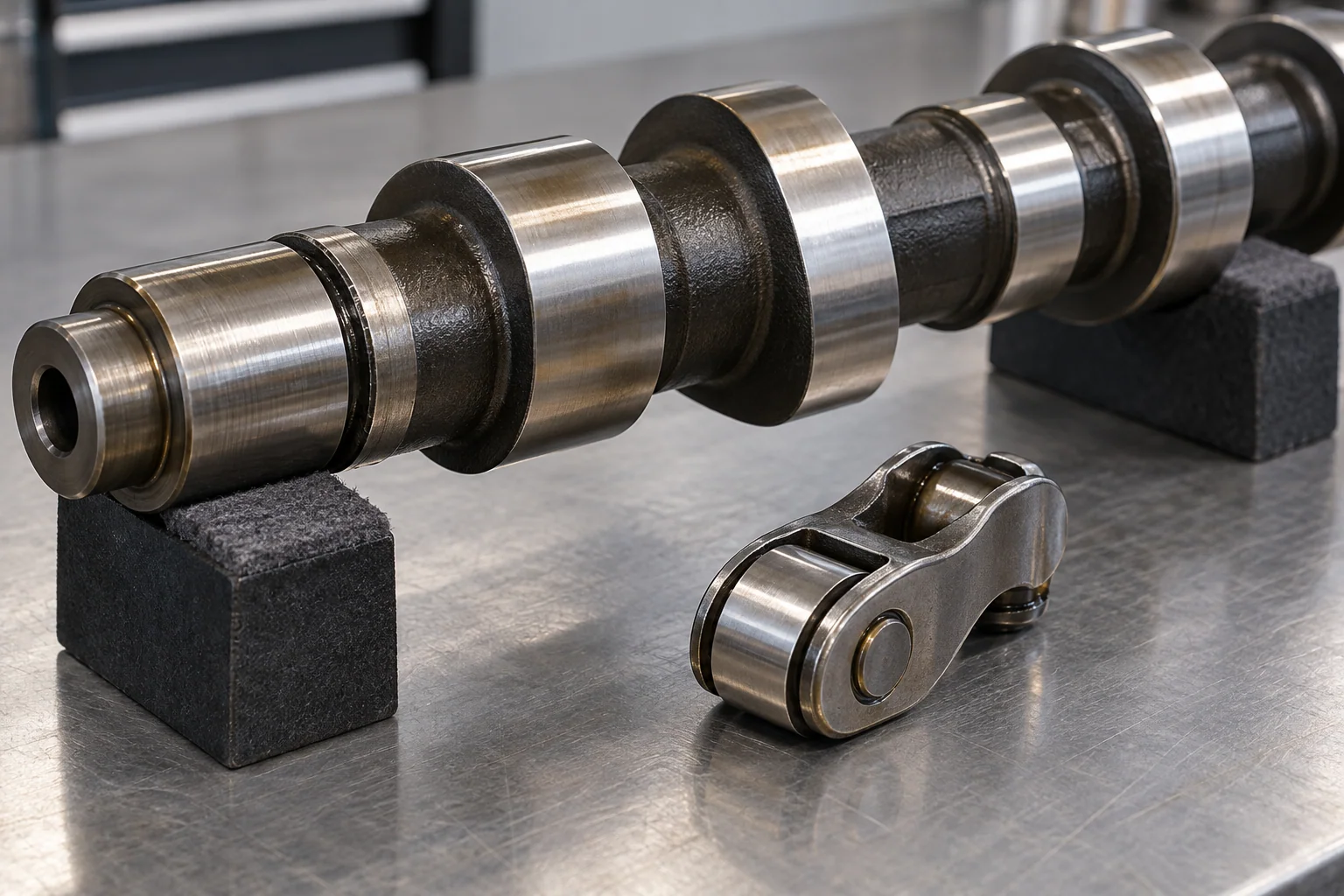
Only if the engine design and measured clearances support it. Some valvetrains use hydraulic components; others have specified mechanical clearance checks. The required clearance and engine temperature come from the service information, not a generic adjustment interval.
An oil additive or thicker oil should not replace diagnosis. Ask whether the technician found a lubrication problem, an out-of-spec clearance or a damaged component, and what evidence separates those possibilities.
Why does the exact engine and noise location matter?
Underhood Service describes a warm-idle tick on certain Honda V6 applications caused by excessive rocker-shaft bridge clearance. The coverage is limited by model, year and in some cases VIN. Its repair is a defined bridge-bolt procedure with a valve-clearance check, rather than an automatic lifter replacement.
That example shows why an engine-specific service check can change the repair decision. Have the source localized before approving internal work; the location and temperature behavior should fit the proposed cause. Do not transfer that Honda procedure or its bolt settings to another engine.
What should the diagnosis and repair report tell you?
Ask where the noise originates, which tests were performed and which measurement or inspection finding justifies the repair. If the explanation is normal operation, ask what manufacturer information or valid comparison supports that conclusion.
After correction, the shop should reassess the engine under the conditions that originally produced the tick. There is no reliable generic cost or safe driving distance for an unidentified engine noise.
Sources & further reading
- Underhood Service — Tech Tip: Honda Engine Knocks or Ticks at Idle
- MOTOR — Tame Ticking Tappets: Valve Adjustment Techniques
- AA1Car / Larry Carley — Engine Noise
- General Motors: normal direct-injection clicking and ticking, 07-06-04-025L
Vehicle designs and maintenance requirements vary. Consult the owner’s manual for your exact vehicle and seek a qualified inspection for a specific fault.