Engine
Rear Main Seal Replacement: Procedure, Costs and Common Mistakes
Published:
Edited and fact-checked by: Jacob Bowen
General information; vehicle-specific diagnosis requires an inspection. How we prepare our guides · This page reserves space for ads. Advertising policy · Privacy choices
The quick answer
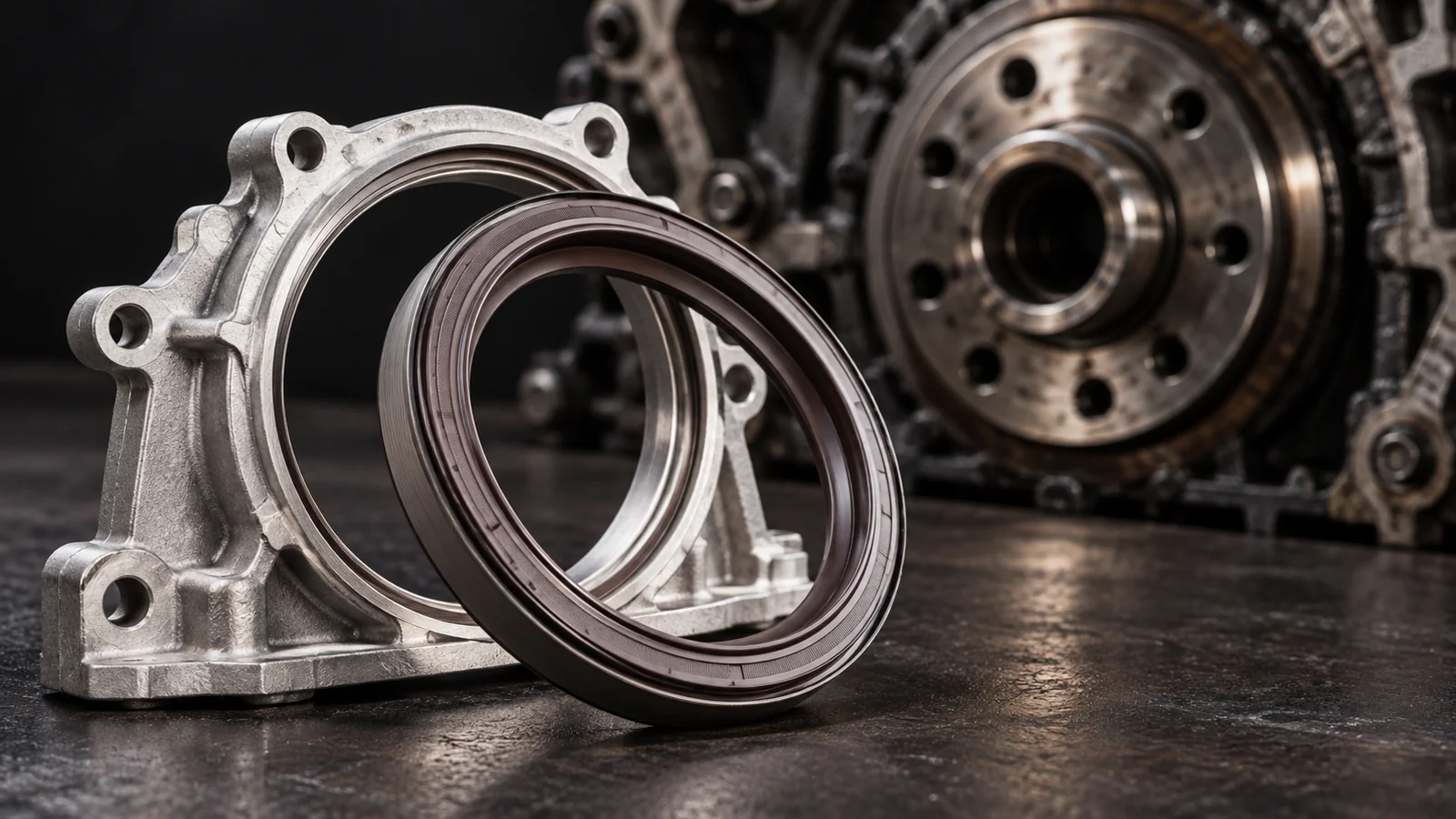
Rear-main-seal replacement should begin with a confirmed leak at the rear crankshaft seal. The job can require major access work, and its procedure depends on the seal design. Correct crankshaft-surface condition, seal installation and crankcase ventilation matter as much as the new part. Oil at the bellhousing alone is not enough to justify replacement.
What should be confirmed before the engine or transmission is dismantled?
Ask the shop to identify the leaking fluid and trace where it starts. Underhood Service describes oil from a pressure sensor, oil-pan gasket or nearby gallery plug appearing at the bellhousing and notes that dye can help locate the source.
Fel-Pro's leak checklist likewise includes several engine-sealing locations. Request the diagnostic finding or photos before authorizing access work. A guess becomes expensive when removal reveals that the seal was not the leak.
Does every rear main seal require transmission removal?
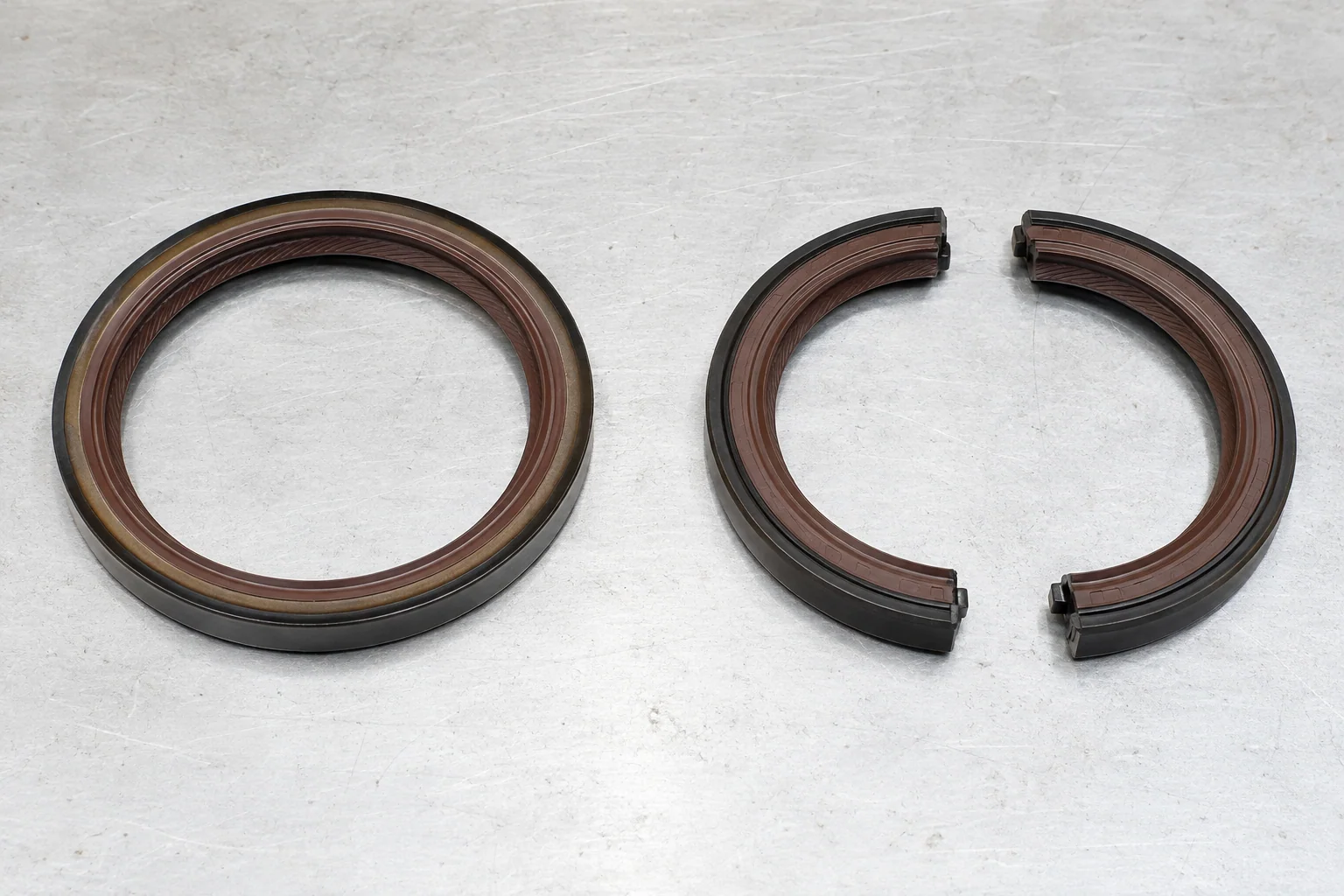
No single access method covers all designs. Fel-Pro's guide separates one-piece rubber or PTFE seals, two-piece rubber seals and older rope seals. Its one-piece procedure calls for transmission and flywheel removal, with engine removal necessary in some cases. Its two-piece procedure involves the oil pan and rear main bearing cap.
Have the estimate identify the actual engine and seal design. Do not choose a shortcut from another vehicle's instructions, and do not assume a simple part means a simple installation.
Which installation details help prevent another leak?
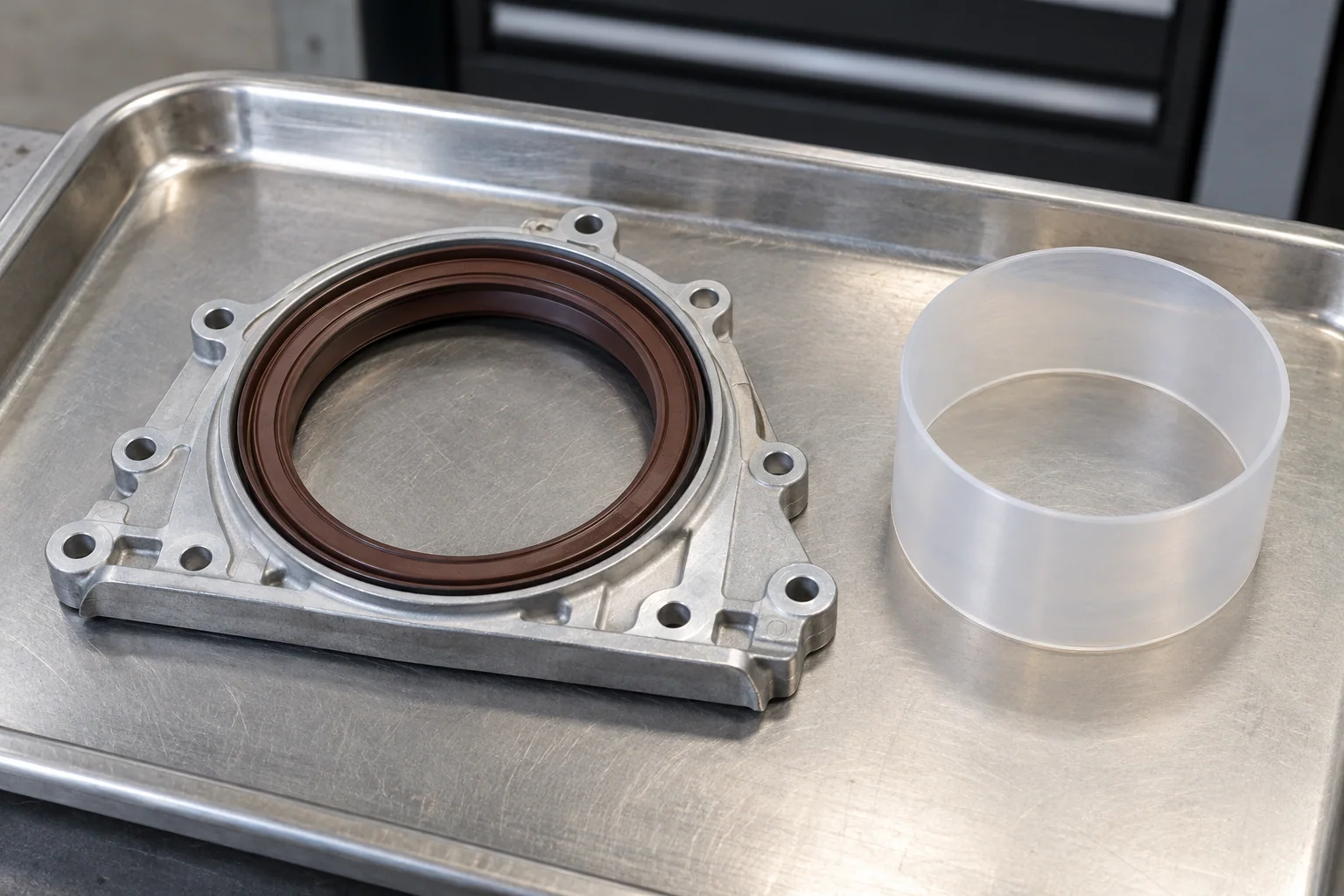
Inspect the crankshaft's sealing surface and address damage before fitting the new seal. Check the relevant housing or retainer and use any required alignment and installation tools. The seal must be installed to its specified position without damaging its lip or the shaft.
Follow the exact seal's preparation instructions. Fel-Pro distinguishes lubricated rubber-lip installation from PTFE sealing surfaces that install dry, with specific handling of the supplied sleeve. Do not automatically oil every new seal or remove its protective installation sleeve early.
Crankcase ventilation also needs checking. Both Fel-Pro and Underhood Service explain that a ventilation fault can contribute to seal leakage. A new seal does not correct abnormal pressure from an unresolved system problem.
What should a rear-main-seal replacement quote include?
Request a vehicle-specific installed price rather than comparing only seal prices. Ask the shop to list diagnosis, access and reassembly labor, seal or housing assembly, required fasteners, disturbed gaskets and necessary fluid service.
If the transmission is already being removed for another repair, ask for the additional seal-work cost with shared access accounted for. If new damage is found, request the evidence and a revised scope before authorizing crankshaft or other major work.
A generic crankshaft-seal estimate may describe a different location or service. It should not be presented as the price of your rear-seal job.
What if oil still appears after replacement?
Have the area cleaned and the source checked again. Residual oil, another leak, incorrect installation or an unresolved contributing fault require different responses. Repeating the same seal replacement without identifying the source is not a diagnosis.
Ask how the shop will confirm sealing after reassembly and under the conditions that produced the leak. If oil loss is rapid or an oil-pressure warning appears, stop safely and arrange assistance.
Sources & further reading
- Fel-Pro — Rear Main Seal Replacement
- Underhood Service — Rear Main Seal Diagnostics Q&A
- Fel-Pro — Engine Fluid Leak Inspection Checklist
Vehicle designs and maintenance requirements vary. Consult the owner’s manual for your exact vehicle and seek a qualified inspection for a specific fault.