Cooling
Car Overheats at Idle: Causes and Diagnostic Steps
Published:
Edited and fact-checked by: Jacob Bowen
General information; vehicle-specific diagnosis requires an inspection. How we prepare our guides · This page reserves space for ads. Advertising policy · Privacy choices
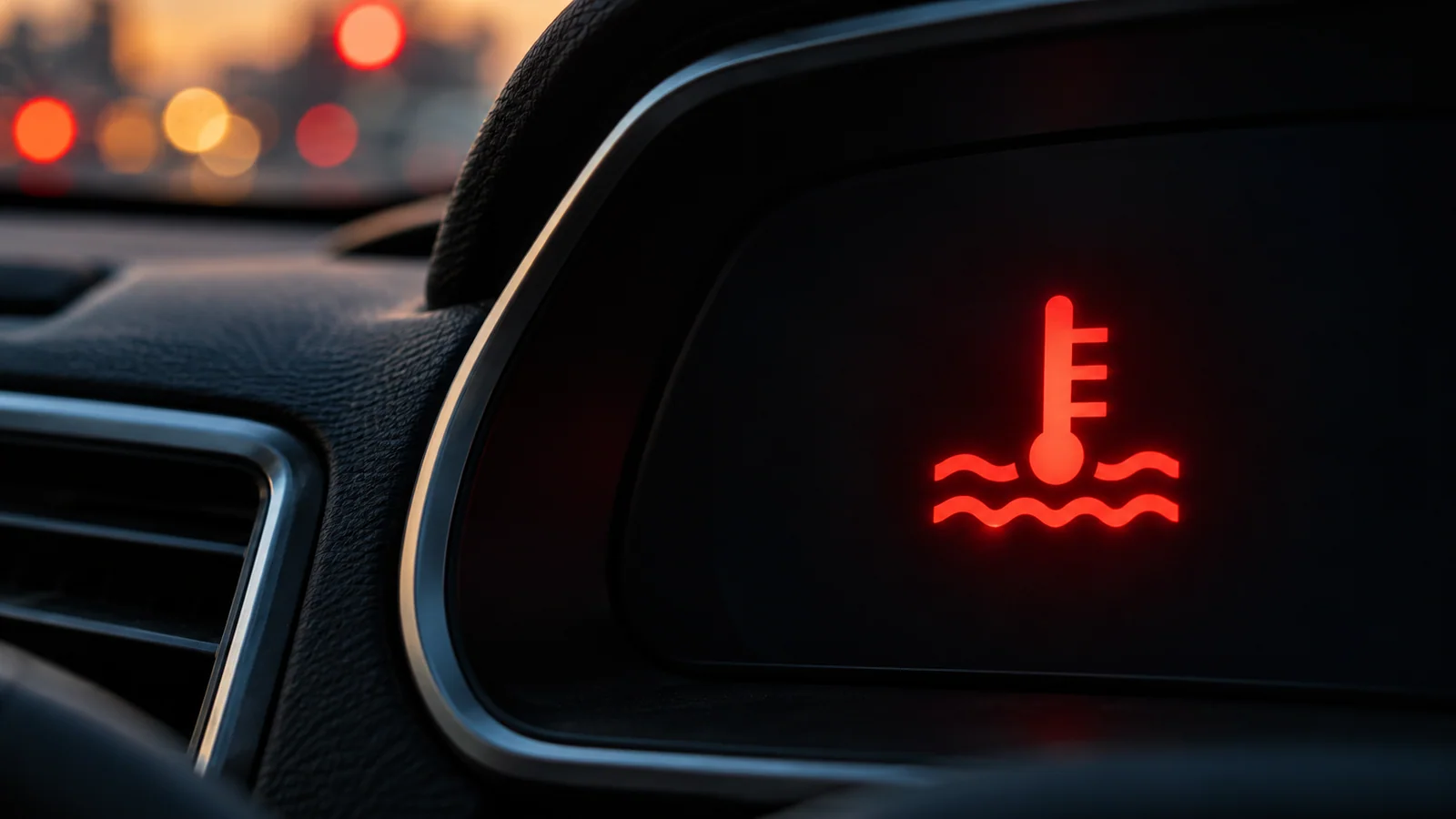
The quick answer
An engine that overheats at idle but cools while moving may have inadequate fan-assisted airflow, but coolant and circulation problems still need checking. If the temperature warning indicates overheating or steam appears, pull over safely and switch off the engine. Do not keep it running to see whether the fan eventually starts.
What should you do while waiting for help?
Keep clear of steam and hot cooling-system parts. Do not remove a radiator or pressurized reservoir cap until the system is completely cool. A short waiting period does not guarantee that it is safe to open.
Follow the vehicle's specific warning instructions and arrange assistance. A temperature reading that falls after shutdown does not establish that the fault is repaired. Tell the shop whether the problem occurred in traffic, with the A/C on or after cooling-system work.
Why can moving the car make the temperature fall?
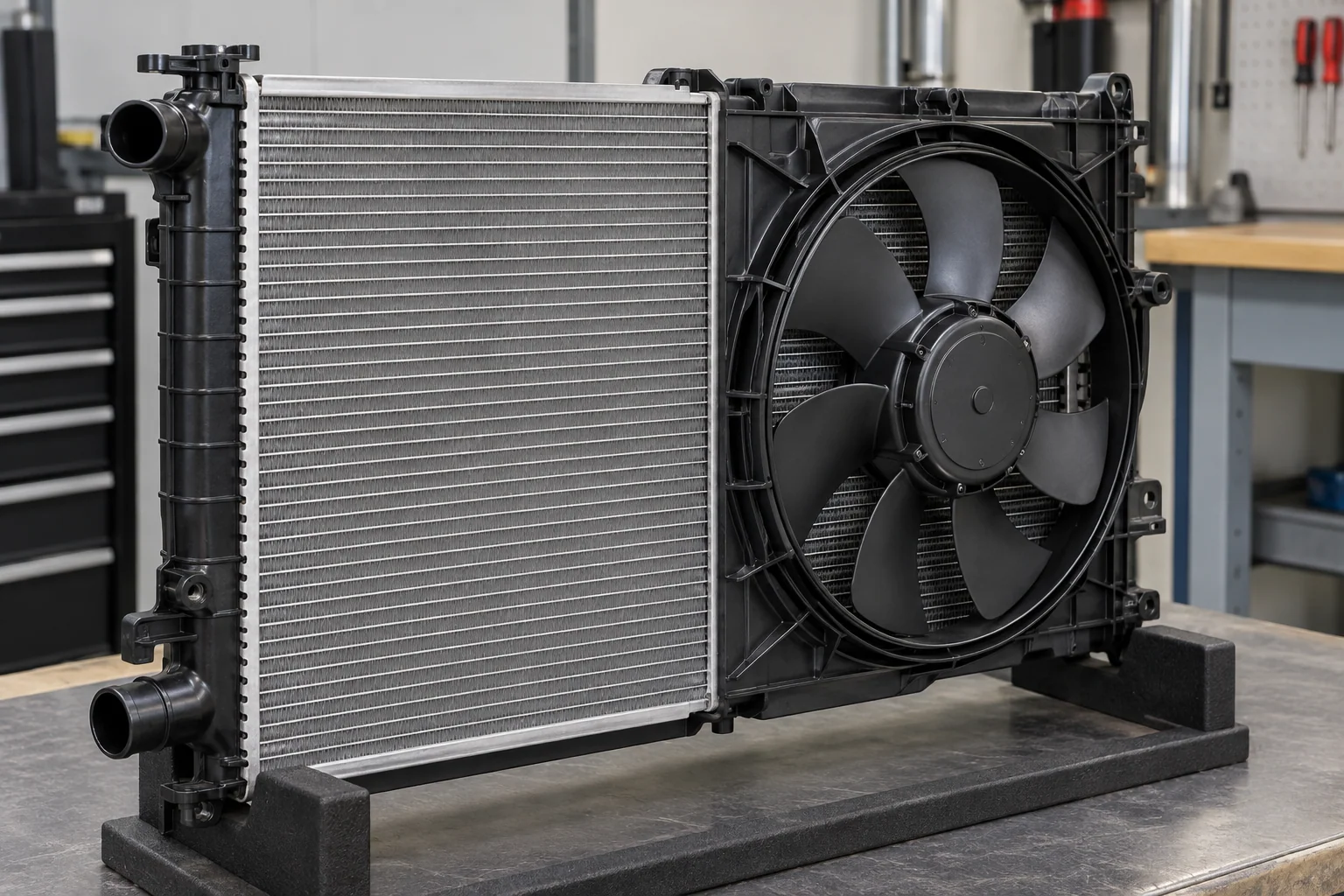
Air moving through the radiator helps remove heat. At a stop, the fan must provide the needed airflow. AA1Car explains that an electric fan that fails to operate when required can cause overheating and poor A/C cooling.
That pattern makes fan operation worth checking; it does not identify a failed motor. A blocked airflow path or another cooling fault can also need attention. Do not use continued driving as the fix.
How is a fan problem separated from a control problem?
Have the technician compare the required fan operation with actual response using the correct circuit and control information. Electric systems can use relays, control modules and multiple or variable speeds. A fan that turns at one speed may still fail to provide enough cooling when demand increases.
Relevant checks can include the temperature input, command, power, ground, wiring and motor response. Seeing the fan run with A/C on does not prove that every temperature-controlled mode works.
There is no universal switch-on temperature for all vehicles. Keep hands and tools away from the blades: AA1Car warns that some fans can start even when the engine is not running. Leave jumper-wire and control tests to someone equipped for the actual system.
What if the fan works but the engine still overheats?
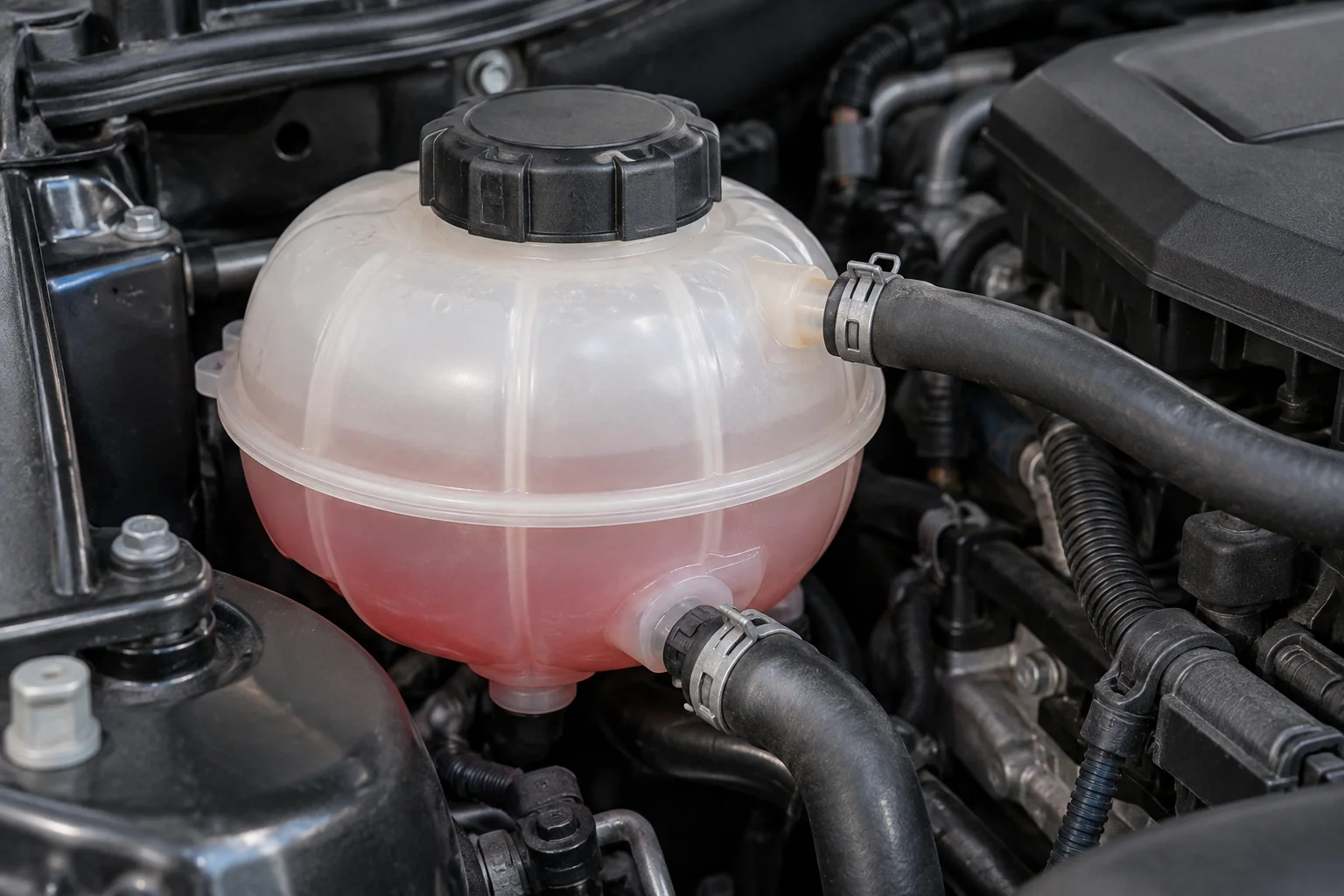
HELLA's diagnostic guide starts with coolant level, condition and leakage, then checks whether the indicated temperature is realistic. It also includes radiator airflow, thermostat operation, coolant flow, pump operation and the pressure cap.
The repair should follow the confirmed result. A fan replacement cannot correct a coolant leak or restricted circulation. Ask what was tested before approving a thermostat, pump or radiator based only on the idle-overheating pattern.
Does weak cabin heat at idle mean the same problem?
No. Poor cabin heat and engine overheating are different complaints, although both can involve the cooling system. HELLA's heater checks also include the heater circuit, controls and air delivery. Report both symptoms without assuming that the heater core or fan must be replaced.
After repair, have temperature and fan response verified under controlled conditions resembling the original complaint. The engine cooling briefly while moving is not enough to confirm the repair.
Sources & further reading
- MOTOR — Hot Tips for Cooling System Service
- MOTOR — Cool It! Radiator Fan Control Diagnosis
- AA1Car / Larry Carley — Troubleshoot Electric Cooling Fan
- HELLA: cooling-system diagnostic checks
- AAA Oregon/Idaho: what to do when a car overheats
Vehicle designs and maintenance requirements vary. Consult the owner’s manual for your exact vehicle and seek a qualified inspection for a specific fault.