Cooling
Losing Coolant With No Visible Leak: Causes and Diagnostic Steps
Published:
Edited and fact-checked by: Jacob Bowen
General information; vehicle-specific diagnosis requires an inspection. How we prepare our guides · This page reserves space for ads. Advertising policy · Privacy choices
The quick answer
If coolant keeps disappearing without a visible leak, have the system checked rather than assuming the head gasket has failed. A concealed external leak, cap problem or internal path can all need investigation. Record the level when cold and arrange diagnosis even if the engine has not overheated.
What should you check and record first?
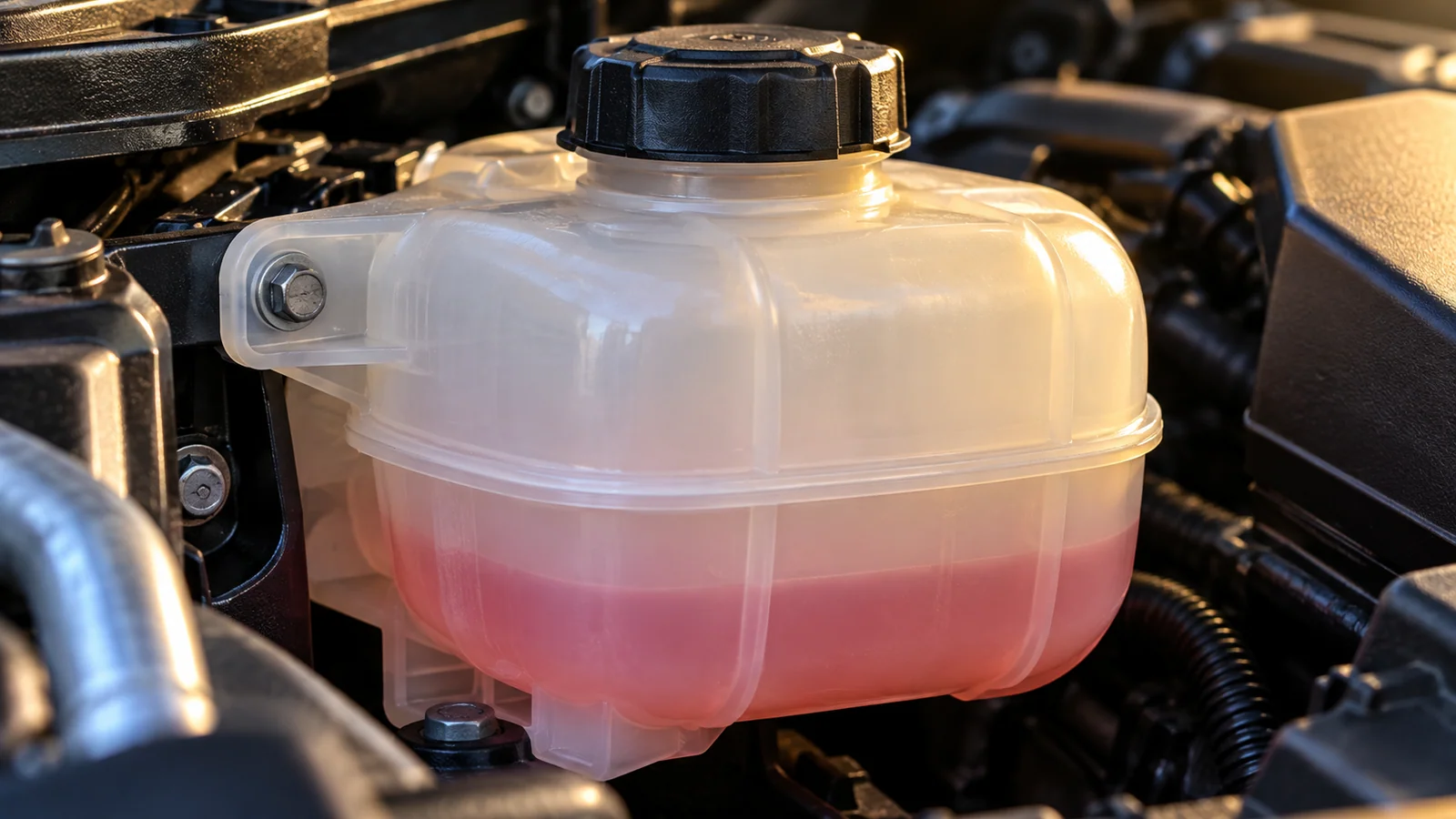
Follow your owner’s manual to check the correct reservoir with the engine cold. Record the date, mileage, cold level and amount added, using the specified coolant. Comparing a hot reading with a cold reading can confuse the picture because the level changes as coolant expands.
Never remove a hot cooling-system cap. Stop safely and shut down for overheating or steam; do not keep driving to finish a loss-rate test. An empty reservoir or repeated need for coolant warrants inspection rather than repeated top-ups alone.
Where can coolant leak without leaving a puddle?
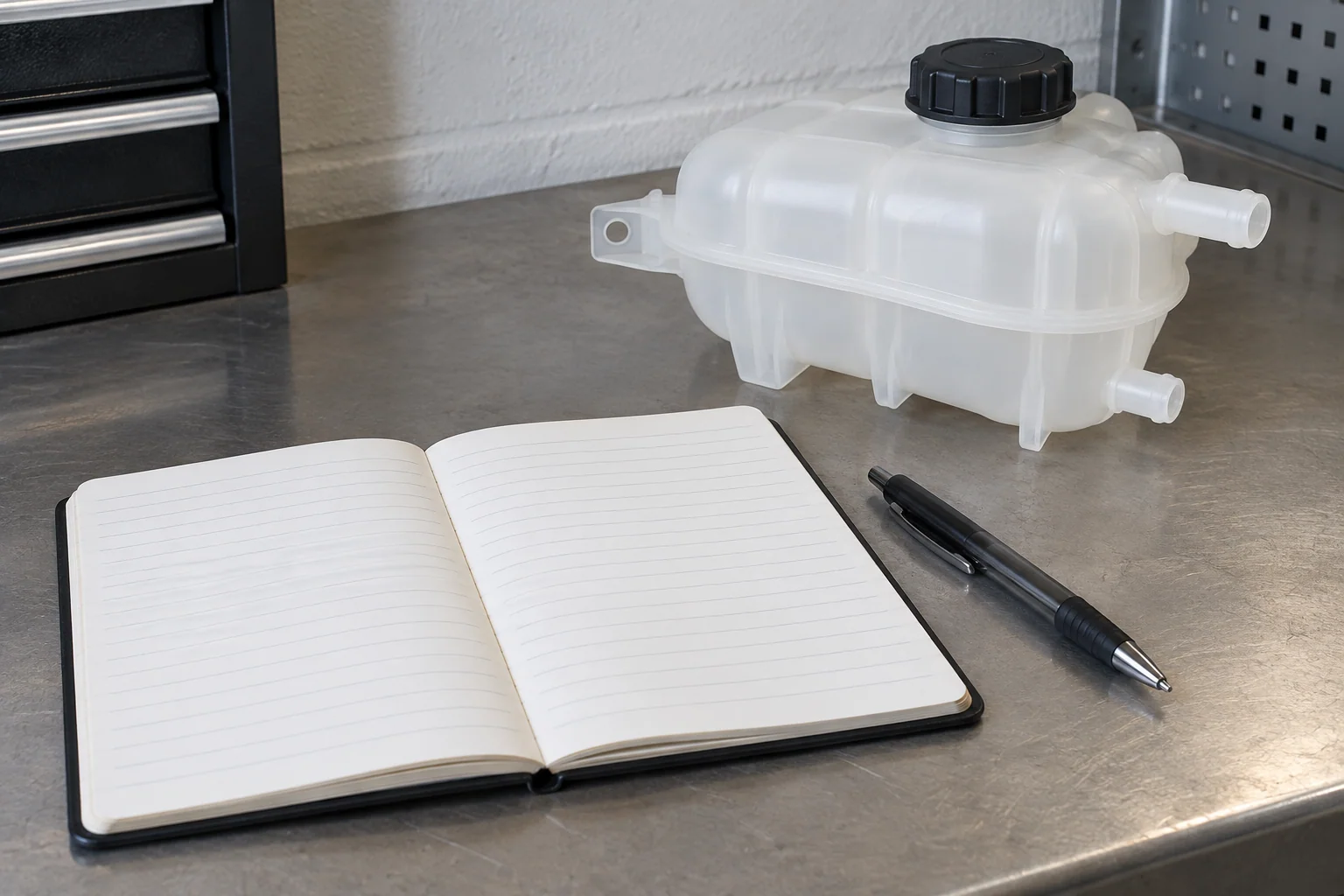
A hose can leak only when hot, and components or covers can hide the trail. The radiator, reservoir, water-pump area, hose joints and cap need inspection under appropriate test conditions. The heater core is concealed inside the cabin’s HVAC housing; dampness or coolant traces there can be useful evidence.
A shop can pressure-test the cold system and the cap using the vehicle’s specified procedure. A pressure drop establishes a reason to investigate further. It does not by itself prove that coolant is entering a cylinder or that the head gasket is defective.
Could an EGR cooler be responsible?
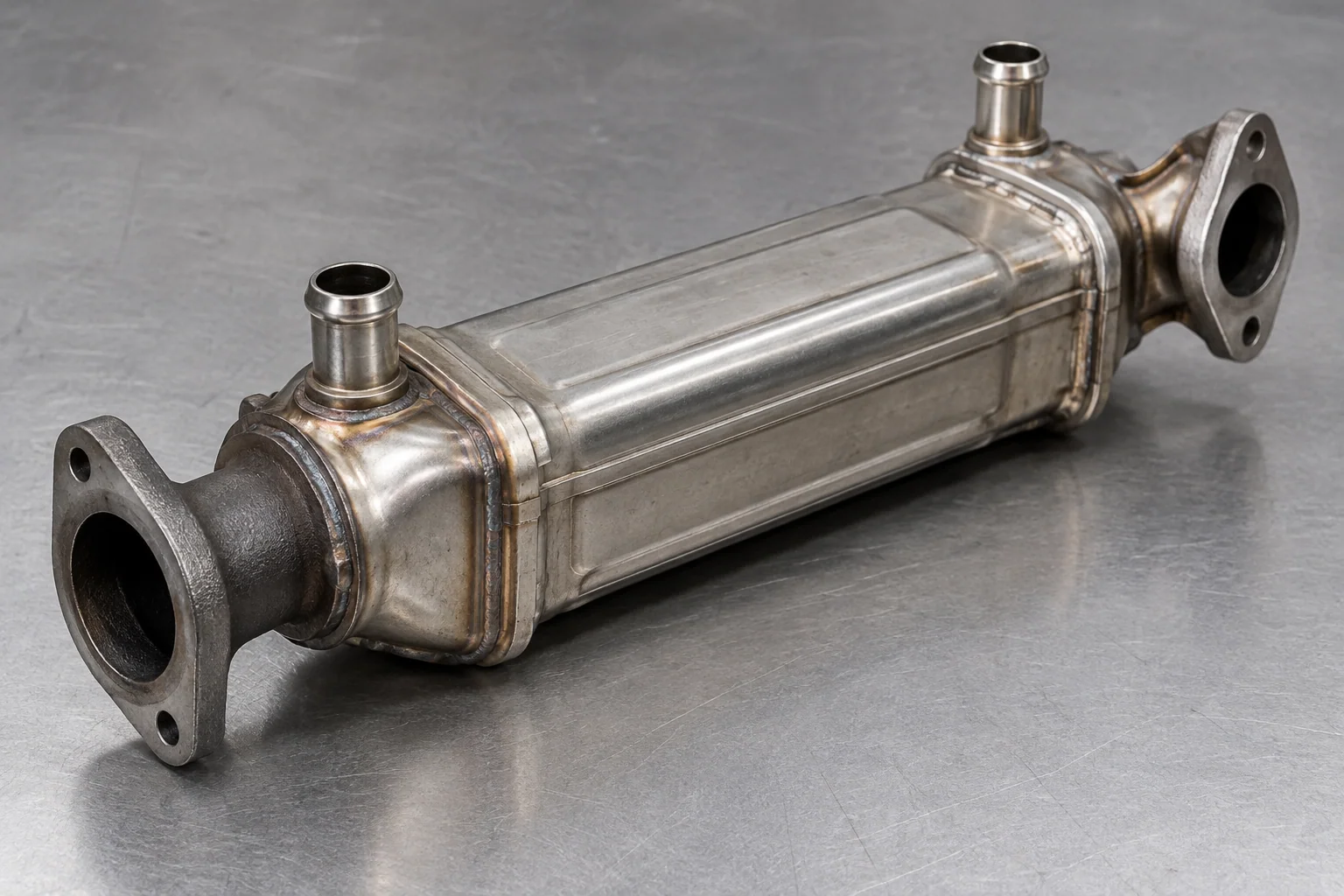
On engines equipped with a coolant-fed exhaust-gas-recirculation cooler, yes. Motorservice explains that an internal cooler leak can allow coolant into the intake or exhaust route without an obvious external trail. Coolant can sometimes collect inside a cylinder after shutdown and cause serious damage during starting.
This is a design-specific branch, not a component found on every car. Ask whether your engine has such a cooler and how it was checked before approving head-gasket or cylinder-head work. If internal coolant entry is suspected, do not repeatedly try to start the engine.
What evidence supports an internal engine leak?
Coolant contamination in the oil, persistent exhaust smoke or combustion gases detected in the cooling system can guide further testing. The shop needs to interpret those findings together and distinguish the possible leak paths. No single absence—such as no puddle or no overheating—rules them all out.
Ask what evidence identifies the affected component and whether concealed external leaks and relevant coolers have been excluded. A major repair proposal should explain more than a falling coolant level.
What should be checked after the leak is repaired?
Repair the confirmed leak and address any condition that damaged the part. Motorservice warns that inadequate coolant flow or trapped air can thermally damage an EGR cooler, including a newly installed one. Replacing the cooler without checking the cooling circuit may repeat the failure.
The system should be filled and bled using the manufacturer’s procedure, checked for leakage and monitored again at the correct cold level. Keep the loss record so you can establish whether the repair resolved the original complaint.
Sources & further reading
- Motorservice / Pierburg — Creeping coolant loss | MS Motorservice Trading (Asia)
- AA1Car / Larry Carley — How To Find & Fix Coolant Leaks
- Motorservice / Pierburg — Thermal damage to EGR coolers | BF Engine Parts
- Mazda: 2025 CX-5 coolant checks and precautions
Vehicle designs and maintenance requirements vary. Consult the owner’s manual for your exact vehicle and seek a qualified inspection for a specific fault.